In a significant boost to Nigeria’s counter-terrorism efforts, security agencies arrested seven suspected high-profile commanders of Boko Haram and the Islamic State West Africa Province (ISWAP) as they returned from the 2026 Hajj pilgrimage in Mecca. The arrests took place at the Umaru Musa Yar’Adua International Airport in Katsina State.
Key Highlights:
Minister of Interior Olubunmi Tunji-Ojo announced the development, describing it as evidence of improved border security and intelligence integration under the current administration. The suspects were detained on Thursday last week upon arrival and subsequently handed over to the Department of State Services (DSS). They were airlifted to Abuja for further interrogation.

How the Arrests Unfolded
According to the minister, the operation succeeded due to the integration of the National Identity Management Commission (NIMC) database with immigration systems, alongside connections to international databases like Interpol’s I-247. This technological upgrade allowed authorities to flag the individuals in real time as they passed through the airport.
“They thought it was business as usual,” Tunji-Ojo remarked. “They would leave and come back freely. But they were picked right there at the airport.” The minister linked the success to broader reforms, including the newly signed NIMC Act 2026 and the establishment of an Integrated Operating Centre for managing maritime and air borders.
Read Also:
- ISWAP Abducts NECO Candidates, Kills Teacher In Borno School Attack
- Troops Rescue 47 ISWAP Captives During Offensive Operation In Borno
- Boko Haram/ISWAP attack kills Brigadier-General Braimah in Borno, scores dead
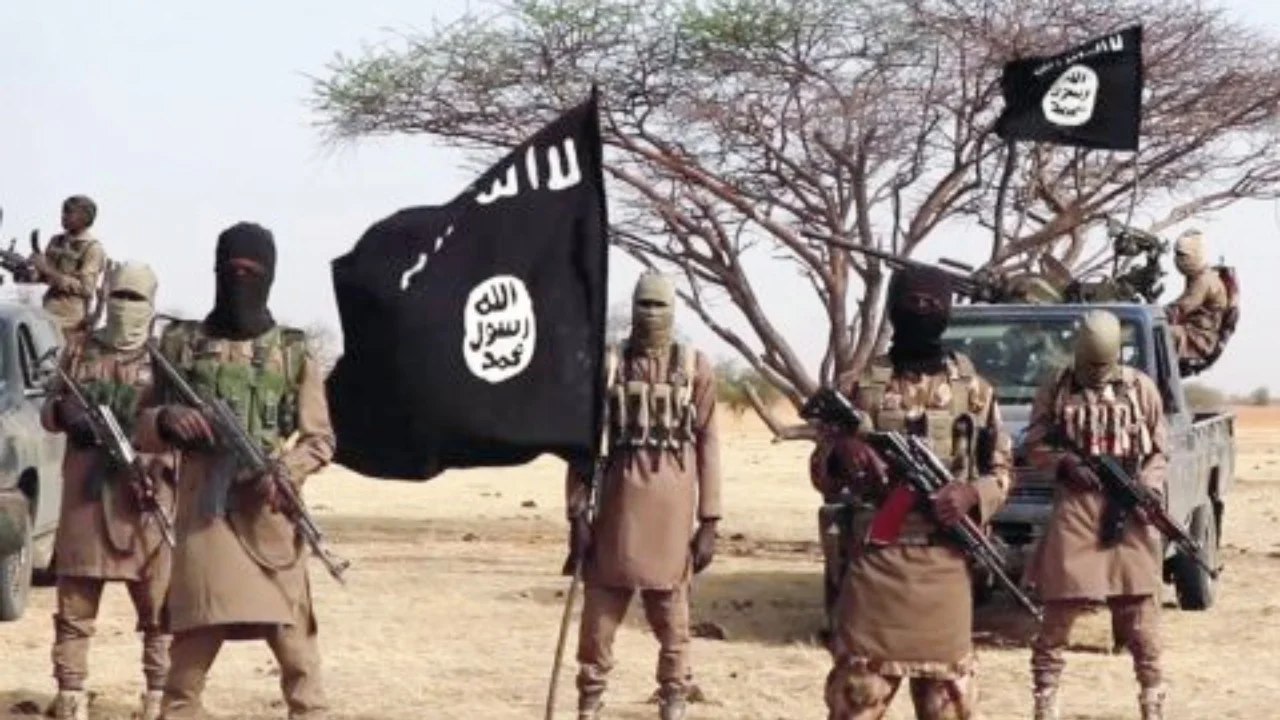
The suspects, described as “known commanders,” were intercepted while attempting to re-enter Nigeria after performing the Hajj. Officials have not yet released their names publicly, citing ongoing investigations, but they are believed to be significant figures within the northeast insurgent groups responsible for years of violence, abductions, and attacks on civilians and security forces.
Context and Implications
Boko Haram and ISWAP have plagued Nigeria’s northeastern region for over a decade, with activities that have spilled into neighboring countries in the Lake Chad Basin. The use of the Hajj pilgrimage—a sacred journey for millions of Muslims—as a potential cover for movement has long raised security concerns in the region.This operation highlights a shift from previously “fractured” border management systems, as acknowledged by the minister.
By linking national ID systems with immigration and intelligence tools, authorities can now better track individuals on watchlists, even those attempting to exploit religious travel.
Security analysts view the arrests as a morale boost for Nigerian forces and a demonstration of enhanced inter-agency cooperation. The DSS is expected to lead interrogations, which could yield valuable intelligence on insurgent networks, financing, and future plots.
Government’s Renewed Push
President Bola Tinubu’s administration has emphasized technology-driven security reforms. The timing of the announcement, shortly after the signing of the NIMC Act, underscores efforts to modernize internal security architecture. Tunji-Ojo noted that land borders remain a challenge, but air and maritime controls have seen substantial improvements.
As investigations continue, authorities urged vigilance from the public and reiterated that no one is above the law, regardless of religious or pilgrimage activities.The suspects remain in custody, and charges are expected to be filed in due course.
This incident serves as a stark reminder that even sacred journeys are not immune to scrutiny in the fight against terrorism. This story is developing. More details may emerge as the DSS provides updates.