The United Nations’ nuclear watchdog has called for tough nuclear verification measures in Iran, warning that the recent agreement aimed at preventing Tehran from developing nuclear weapons will only be effective if backed by comprehensive international inspections.
Key Highlights:

Summarized 5 Key Highlights
- IAEA demands strict nuclear verification measures in Iran to ensure Iran does not develop nuclear weapons.
- Rafael Grossi says Iran’s assurances alone are not enough without a strong verification system.
- The IAEA will play a key role in monitoring Iran’s compliance with the US-Iran agreement.
- Comprehensive inspections are essential to confirm Iran’s nuclear programme remains peaceful.
- The success of the agreement depends on transparent and independent monitoring of Iran’s nuclear facilities.
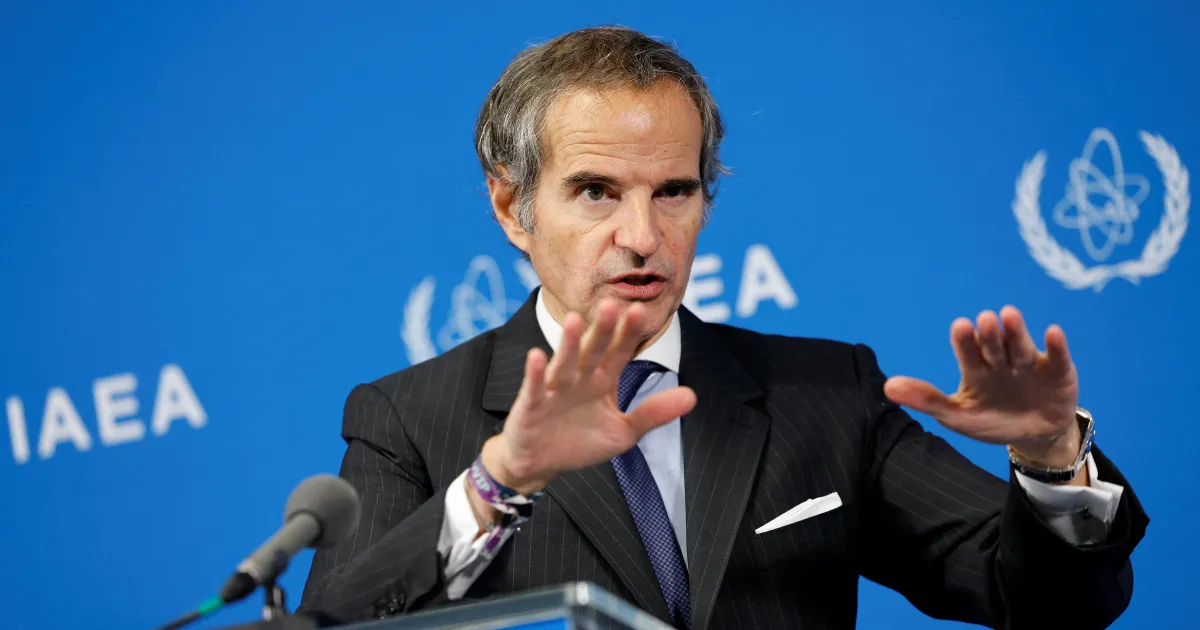
Speaking to reporters in Japan on Friday, the Director General of the International Atomic Energy Agency (IAEA), Rafael Grossi, said the objective of the recent agreement between the United States and Iran is to ensure that Iran does not acquire nuclear weapons.
“I think the objective of this agreement is to ensure that there is no development of nuclear weapons in Iran,” Grossi said, noting that the Iranian government has repeatedly maintained that it has no intention of pursuing nuclear weapons.
However, he stressed that declarations alone are insufficient to guarantee compliance.
“Intentions are not enough. We have to have a very strong verification system in place as soon as is practicable,” Grossi stated.
Read also:
- 2027: APP Assembly aspirant promises strong advocacy for Ngor Okpala constituency
- US Opens Fully Funded Study Pathway For Nigerian Students
- Suspected Armed Herdsmen Unleashing Terror On Us, Delta Community, Leader Alleges
- YCee Opens Up On Mental Health Struggles, Says He Was Diagnosed In 2020
His remarks come as international attention remains focused on implementing the US-Iran agreement reached after weeks of heightened tensions and military confrontation in the Middle East.
The IAEA, the UN agency responsible for monitoring nuclear activities worldwide, is expected to play a central role in verifying Iran’s compliance with any commitments under the agreement.
Grossi said restoring comprehensive inspections would be critical to assuring the international community that Iran’s nuclear programme remains exclusively for peaceful purposes.
The renewed emphasis on verification follows the recent conflict, which heightened concerns over regional security and the future of Iran’s nuclear activities.
The success of the diplomatic agreement will largely depend on the ability of IAEA inspectors to carry out independent, transparent and comprehensive monitoring of Iran’s nuclear facilities.