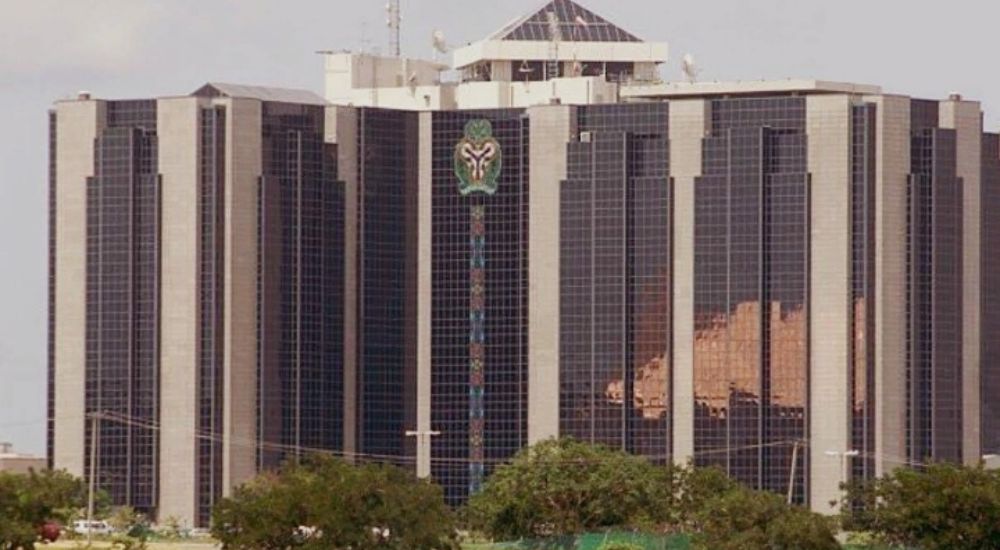
The Central Bank of Nigeria (CBN) has directed banks, payment service banks and other regulated financial institutions to immediately freeze accounts, assets and transactions linked to individuals and Bureau De Change (BDC) operators designated for alleged terrorism financing activities.
Key Highlight:

- CBN Orders Immediate Freeze of Accounts – The Central Bank of Nigeria directed banks and other financial institutions to freeze accounts, assets and transactions linked to individuals and Bureau De Change operators accused of terrorism financing.
- Sanctions Take Immediate Effect – The directive, issued on June 24, 2026, follows an update to the Nigeria Sanctions List, with the sanctions taking effect from June 18, 2026.
- Several BDC Operators Sanctioned – Affected entities include Generation Currency Bureau De Change Limited, Manhattan Bureau De Change Limited, Nine To Nine Exchange Bureau De Change Limited and Abbal Bako & Sons Bureau De Change Limited.
- Banks Directed to Report Suspicious Transactions – Financial institutions must file Suspicious Transaction Reports with the Nigerian Financial Intelligence Unit and comply strictly with anti-money laundering and counter-terrorism financing regulations.
- Action Linked to ISWAP Financing Allegations – The sanctions follow allegations by the Office of Foreign Assets Control that Lagos-based BDC operator Mukhtar Muhammad facilitated financial transactions for the Islamic State West Africa Province (ISWAP), highlighting increased cooperation between Nigerian and international authorities in combating terrorism financing.
The directive was contained in a circular dated June 24, 2026, following an update of the Nigeria Sanctions List as part of efforts to disrupt financial networks associated with terrorism and extremist groups.
According to the apex bank, the sanctions took effect on June 18, 2026, and are binding on all institutions operating under its regulatory framework.
The CBN said the action followed sanctions approved by the Nigeria Sanctions Committee (NIGSAC) in collaboration with the United States Treasury Department’s Office of Foreign Assets Control (OFAC) under Executive Order 13224, as amended.
Among the entities affected are Generation Currency Bureau De Change Limited, Manhattan Bureau De Change Limited, Nine To Nine Exchange Bureau De Change Limited and Abbal Bako & Sons Bureau De Change Limited.
The regulator directed financial institutions to identify and freeze, without prior notice, all funds, assets and economic resources owned or controlled, directly or indirectly, by the designated individuals and entities.
The directive also applies to companies and organisations in which sanctioned persons hold a controlling interest of 50 per cent or more, whether directly or indirectly.
Read also:
- Abua Canice Beats Defending Champion Emmanuel to Clinch Title At CBN Senior Tennis Open
- Top Seeds Stay on Course as CBN Tennis Championship Reaches Thrilling Stage
- CBN Open Championship Records Massive Turnout as NTF Pushes Growth of Wheelchair Tennis
- Etoro Bassey Rallies Past Success Ogunjobi To Win 2026 CBN Open Women’s Singles Title
The CBN further instructed financial institutions to file Suspicious Transaction Reports (STRs) with the Nigerian Financial Intelligence Unit (NFIU) where necessary and ensure strict compliance with anti-money laundering and counter-terrorism financing regulations.
The latest move follows sanctions announced by the United States against Mukhtar Muhammad, a Lagos-based Bureau De Change operator accused of facilitating financial transactions on behalf of the Islamic State West Africa Province (ISWAP).
According to OFAC, Muhammad allegedly used several business entities, including Nine To Nine Exchange Bureau De Change Limited, Generation Currency Bureau De Change Limited and Manhattan Bureau De Change Limited, to move funds linked to the terrorist group.
Analysts say the action underscores growing cooperation between Nigerian authorities and international partners in efforts to combat terrorism financing, strengthen financial system integrity and prevent illicit financial flows.
The development also comes amid increased regulatory scrutiny of Nigeria’s Bureau De Change sector, with authorities intensifying efforts to tackle money laundering and improve compliance with global financial crime standards.