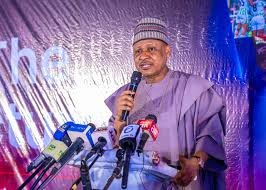
The Minister of Information and National Orientation, Mohammed Idris, and the National Security Adviser (NSA), Nuhu Ribadu, have called for stronger collaboration between security agencies and the media as part of efforts to address Nigeria’s security challenges.
Key highlight:

5 Key Points Summary
- Media and security agencies should work more closely to address Nigeria’s growing security challenges.
- Security threats such as terrorism, cybercrime, and misinformation require both military action and effective communication strategies.
- The government is developing a National Security Strategic Communication Framework to improve cooperation and information sharing between the media and security institutions.
- Officials urged journalists to verify information and report responsibly, warning that misinformation can undermine security operations.
- Stakeholders agreed to strengthen dialogue, trust, and transparency, with plans for regular engagement and improved communication during security crises.
They made the call on Thursday, at the national security summit organized by the Nigeria Union of Journalists (NUJ), in collaboration with the Department of State Services (DSS) in Abuja.
The summit with the theme: “Media and Security Agencies as Partners in Nation Building,” brought together security chiefs, media executives, academics and other stakeholders.
Speaking at the event, Idris described the summit as timely, noting that emerging security threats require not only military responses but also effective public engagement and information management.
According to him, terrorism, violent extremism, cybercrime, organized criminality and disinformation have compelled nations to rethink conventional approaches to security.
He said the relationship between the media and security agencies should be built on mutual respect, professionalism, trust and a clear understanding of their complementary responsibilities.
Idris said the partnership aligns with President Bola Tinubu’s Renewed Hope Agenda, under which security remains a top priority through military operations, intelligence gathering, technological advancements and community engagement.
Highlighting recent security gains, he cited the neutralization of terrorists and bandits, rescue of kidnapped victims, dismantling of criminal camps and investments in intelligence and surveillance infrastructure.
The minister, however, cautioned that misinformation and premature reporting could undermine security operations and national efforts to combat insecurity.
“National security is not served when misinformation is amplified without verification. Neither is it served when legitimate public concerns are ignored,” he said.
He urged journalists to uphold professional ethics and exercise responsibility in reporting security-related issues.
Representing the NSA, Chido Onumah, Special Assistant on Strategic Communication, said the federal government recognizes the media’s constitutional responsibility to inform the public but stressed the need for structured information-sharing channels that balance transparency with operational security.
He disclosed that the Office of the National Security Adviser (ONSA) is developing a national security strategic communication framework aimed at strengthening cooperation between the media and security institutions.
“We are all in this together. Journalists must have access to credible information, while security agencies must improve their communication and transparency.
“The framework will help reduce the risk of reports that could inadvertently aid terrorists or criminal elements, while protecting the public’s right to know,” Onumah said.
He added that the government is considering measures, such as timely verified briefings during crises and the appointment of designated liaison officers to improve information flow between security agencies and the media.
Both Idris and the NSA’s representative emphasized that addressing insecurity requires more than military action, citing the Defence Ministry’s position that security challenges are “40 percent kinetic and 60 per cent non-kinetic.”
They noted that strategic communication, information management and community engagement have become critical components of modern security operations.
Read also:
- Enugu North Senatorial By-Election: Police Restrict Movement, Assure Adequate Security
- Tinubu Highlights Fertiliser Initiative, Says Nigeria Strengthening Food Security Through Renewed Hope Programmes
- Diri Inaugurates NSCDC Projects In Yenagoa, Reaffirms Support For Security Agencies
- UNIUYO’s Vice Chancellor Targets Digital Transformation, Campus Security
The summit also featured commitments by media practitioners and security agencies to deepen engagement, strengthen trust and establish mechanisms for verification and responsible reporting.
The DSS was commended by the NUJ for facilitating constructive dialogue, while the defence ministry signalled plans to embed journalists with military units to improve the accuracy and depth of security reporting.
Idris said a professional and ethical media working alongside transparent security institutions would enhance public confidence and national resilience.
“The media informs citizens, shapes public opinion and promotes accountability, while security agencies protect lives and property. Where these functions are coordinated, democracy and development are strengthened,” he said.
The summit ended with a commitment by stakeholders to operationalise the proposed national security strategic communication framework and sustain regular engagements aimed at safeguarding national security while protecting citizens’ right to information.