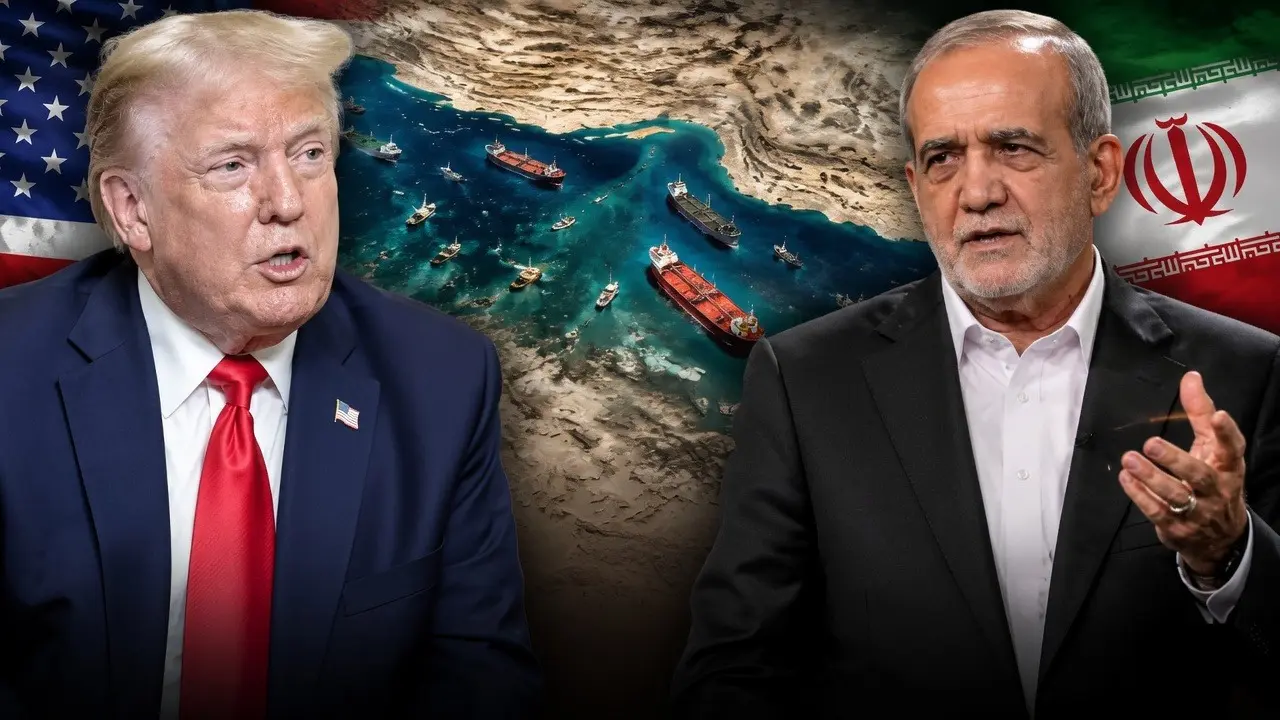
For the first time in months, the world has a reason to breathe a cautious sigh of relief. The United States and Iran have signed a landmark 14-point Memorandum of Understanding (MoU), an agreement designed to halt hostilities, reopen the strategic Strait of Hormuz, and begin negotiations aimed at permanently preventing Tehran from acquiring nuclear weapons.
Key Highlights:
US President Donald Trump has made it abundantly clear that diplomacy comes with a deadline. While celebrating what he described as a major diplomatic breakthrough, he also warned that failure by Iran to honour the agreement would trigger far more devastating military action than the world has witnessed in recent months.

That warning was reinforced by US Defence Secretary Pete Hegseth, who declared that Washington is fully prepared to restore what he described as an “ironclad naval blockade” should Iran violate the terms of the accord. According to Hegseth, the Pentagon remains ready to resume military operations if Tehran pursues nuclear weapons or breaches its commitments.
The message from Washington is unmistakable: peace is being offered, but backed by overwhelming military force.
At the centre of the agreement lies the most contentious issue—Iran’s nuclear programme. Tehran has once again reaffirmed that it will not develop or acquire nuclear weapons. However, critics argue that similar assurances have been made before, raising questions about whether this agreement truly prevents nuclear ambitions or merely postpones another crisis.
The coming 60 days of negotiations will therefore be decisive. International inspectors are expected to negotiate unprecedented access to Iran’s nuclear facilities while diplomats attempt to reach a comprehensive settlement. Whether those technical talks succeed may determine whether this agreement becomes a historic peace accord or another failed diplomatic experiment.
The economic incentives are enormous. The agreement envisages a $300 billion reconstruction framework, renewed oil exports, and the release of frozen Iranian assets—benefits that could revive Iran’s struggling economy after years of sanctions and conflict.
Read also:
- It’s My Life’s Mission To Prevent Iran From Acquiring Nuclear Weapons, Netanyahu Declares
- Oil Prices Drop As US-Iran Peace Deal Raises Hopes
- Finally Iran bows to US pressure, agrees to nuclear curbs, reopening Strait of Hormuz
Yet these same incentives have become the deal’s biggest source of controversy. Critics within the United States, including former senior officials and several Republican lawmakers, argue that Iran appears to be receiving significant financial relief before making irreversible concessions on dismantling its nuclear capabilities. Others fear Tehran may simply use the breathing space to strengthen its regional influence.
Another unresolved issue is the Strait of Hormuz—the world’s most important energy shipping route. Although commercial navigation is expected to resume, military analysts warn that Iran has demonstrated how easily the narrow waterway can be disrupted, making it one of Tehran’s most powerful strategic weapons.
Any future attempt to close the strait could once again send oil prices soaring, destabilise global markets and drag major powers back into confrontation.
The agreement also exposes growing divisions among America’s closest allies. Israeli Prime Minister Benjamin Netanyahu has remained largely silent since the accord was signed, while members of his coalition have openly criticised the deal, insisting Israel is not bound by its provisions. Meanwhile, reports of continued Israeli military operations in southern Lebanon highlight the fragile security environment despite commitments to halt hostilities.
For Gulf nations, the agreement offers temporary relief after months of uncertainty. For Europe, it promises greater energy stability. For financial markets, it has already restored a measure of confidence.
But perhaps the greatest test lies ahead. This agreement is not peace itself—it is merely an opportunity to negotiate one. It succeeds only if Iran honours every commitment, international inspectors gain meaningful access, regional actors exercise restraint, and Washington resists the temptation to abandon diplomacy at the first sign of disagreement.
If Iran complies, the Middle East could witness one of its most significant diplomatic breakthroughs in decades, potentially reshaping regional security and stabilising global energy markets.
If it fails, President Trump’s repeated warnings suggest the world could face an even more dangerous confrontation—one involving tougher sanctions, renewed naval blockades, and potentially heavier military strikes than those already witnessed.
For now, the guns have fallen silent. Whether they remain silent depends entirely on what happens over the next 60 days. The world is watching, hoping this fragile agreement becomes the foundation of lasting peace rather than the calm before another storm.