Julius Berger Services Nigeria Limited has intensified efforts to attract investors, importers, and exporters to Warri Port, positioning its Multipurpose Terminal as a strategic gateway for trade, logistics, and industrial growth in Nigeria.
Key Highlights
•Julius Berger promotes Warri Port as a major trade and logistics hub
•Multipurpose Terminal offers cargo handling, warehousing, and oil and gas support services
•Company dismisses claims that Warri Port is inactive
•Terminal records average cargo clearance time of 48 hours
•Management assures investors of cargo security and operational efficiency
•Facility expected to drive investment, create jobs, and boost regional commerce

The company disclosed that its Multipurpose Terminal (Terminal C), located within the Nigerian Ports Authority (NPA) complex in Warri, possesses the infrastructure, security architecture, and operational capacity needed to support increased commercial activities and strengthen Nigeria’s maritime sector.
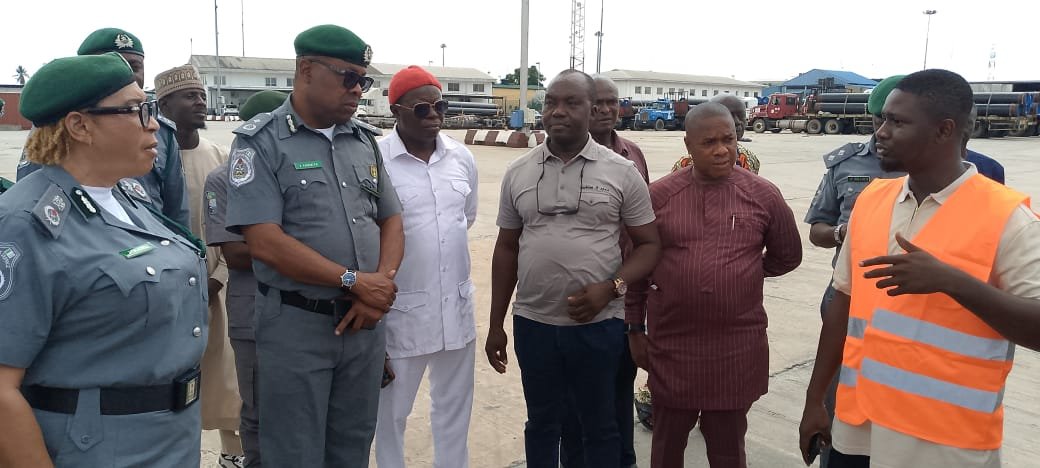
The assurance was given during a facility tour by members of the Nigeria Union of Journalists (NUJ), Warri Correspondents’ Chapel, where management showcased the terminal’s growing role in maritime trade, logistics services, and industrial development.
Speaking during the visit, Julius Berger’s Commercial Manager for Multipurpose Vessels, Mr. Runyon Baldomar, dismissed suggestions that Warri Port was dormant, insisting that the facility remains active and continues to receive vessels and cargo consignments regularly.
Read Also:
- Delta halts illegal trading at PTI Junction in Effurun following complaint by Julius Berger
- Oborevwori to visit Germany for high-level talks with Julius Berger
- Traders, road users speak as Julius Berger begins soil test for Ughelli flyover project
According to Baldomar, the terminal recently handled two vessels within a week and is currently servicing another vessel, while maintaining an average cargo clearance period of 48 hours.
He described the facility as one of the most efficient maritime terminals in the region.
Baldomar explained that the terminal provides a wide range of services, including general cargo handling, container logistics, warehousing, oversized cargo management, and specialised support services for the oil and gas industry.
He added that Warri Port’s strategic location gives it a competitive edge in serving businesses across the South-South and South-East regions of Nigeria.
Also speaking during the tour, Head of Clearing at Julius Berger Terminal, Mr. Olise Fidelis, assured prospective investors that the safety of cargo remains a top priority.
He noted that the facility operates under strict security protocols supervised by relevant government agencies, including the Nigeria Customs Service.
Fidelis further revealed that the terminal has maintained a zero-accident record through strict compliance with safety and operational standards.
Highlighting the broader economic impact of the terminal, Mr. Ikubor Akpevwe said the facility has the capacity to expand trade, attract fresh investments, and reduce logistics bottlenecks for businesses operating in the Niger Delta and other parts of the country.
He urged importers, exporters, and maritime stakeholders to take advantage of the opportunities available at Warri Port.
Terminal Operations Manager, Mr. Inusa Zuberu, also reaffirmed the terminal’s readiness to handle increased cargo volumes and support expanded commercial activities.
According to him, ongoing investments and operational improvements are positioning Warri Port as a major maritime hub capable of creating jobs, stimulating commerce, and attracting new business opportunities into Nigeria’s economy.
As competition among Nigeria’s ports continues to grow, Julius Berger believes Warri Port is well-positioned to become a preferred destination for businesses seeking efficient, secure, and cost-effective logistics solutions.
Industry stakeholders say increased utilisation of the facility could boost economic activity across the Niger Delta while supporting national efforts to diversify trade and strengthen local industries.