
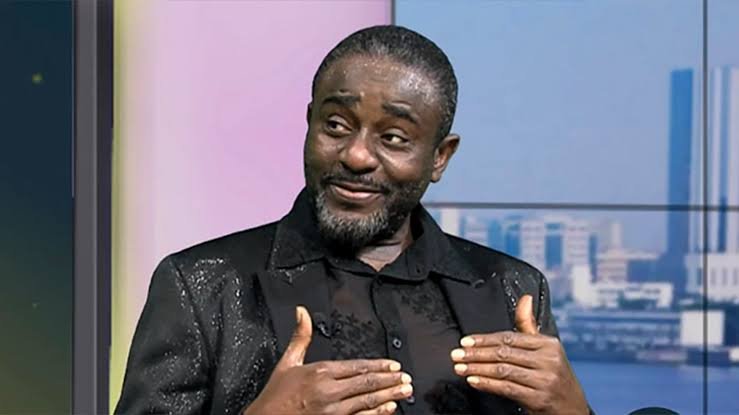
Nollywood actor and politician, Emeka Ike has filed a N10 billion lawsuit against the Independent National Electoral Commission (INEC) and Lere Olayinka, the media aide to the Minister of the Federal Capital Territory (FCT), Nyeson Wike, over the alleged unlawful disclosure of his personal voter registration information.
Key Highlights:
The suit, filed before a Federal High Court in Abuja, follows a controversy that erupted in May, after Olayinka published screenshots on his X account showing details of Ike’s voter registration transfer from Imo State to the Federal Capital Territory (FCT).

The disclosure came amid public debate over Ike’s eligibility to contest a House of Representatives seat in Abuja, after participating in recent political activities.
According to court documents, the screenshots contained information allegedly obtained from a restricted INEC administrative portal, raising concerns about the security of Nigeria’s voter registration database and how sensitive personal information became accessible outside the electoral commission.
Although INEC denied reports that its voter registration database had been hacked, the commission admitted that the information was accessed through the misuse of valid internal credentials by authorised personnel.
Read Also:
- Federal High Court Orders INEC to Deregister ADC, Accord Party, 3 Others
- 2027 Shocker: Court Orders INEC to Deregister African Democratic Congress, Four Other Parties
- INEC restores 6 Delta Assembly Constituencies, fixes June for primaries ahead of 2027 polls
The incident reportedly triggered an investigation by security operatives, who questioned both Olayinka and an electoral officer over the alleged leak.
Through his lawyer, Leonard Adeh, Ike argued that the publication of his voter registration records without his consent violated his constitutional right to privacy as well as protections guaranteed under the Nigeria Data Protection Act, 2023.
The actor is asking the court to declare that the publication of his personal information on social media was unlawful, unconstitutional, and a violation of his fundamental rights.
He further contended that INEC has a legal obligation to protect the personal information of registered voters and should be held accountable for any failure to prevent unauthorised access to or disclosure of such sensitive data.
Among the reliefs sought, Ike is requesting an order directing Olayinka to delete the social media post containing his voter details and issue a public apology.
He also wants the apology published on Olayinka’s X account and in three national newspapers for two consecutive weeks.
In addition, the actor is seeking N10 billion in aggravated and general damages against both INEC and Olayinka for the alleged breach of privacy and exposure of his personal information.
The case is expected to attract significant legal and public attention as it could test the strength and scope of Nigeria’s data protection framework, particularly the responsibilities of government institutions in safeguarding citizens’ personal information in the digital age.