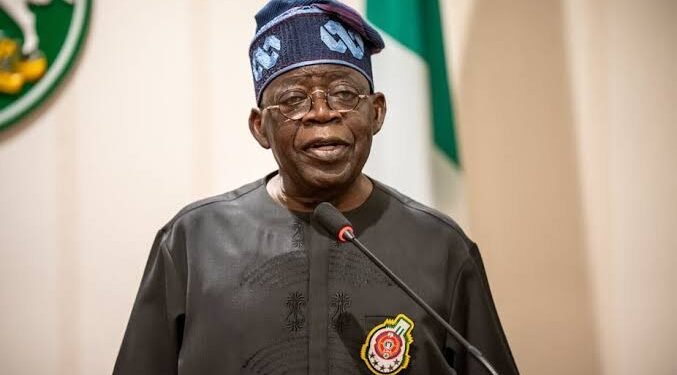
President Bola Tinubu’s third anniversary speech has triggered widespread reactions across Nigeria, with many citizens disputing his claims that ongoing economic reforms are delivering positive results in the country.
Key Highlights:
- Nigerians reject claims of economic progress in Tinubu’s Anniversary Speech
- Public anger grows over fuel subsidy removal and FX unification impact
- Rising food prices, transport costs, and electricity tariffs dominate complaints
- Social media users accuse government of worsening living conditions
- Supporters argue reforms need time to deliver long-term benefits
- Presidency highlights infrastructure, education, and energy sector gains
During his nationwide address on Friday, Tinubu defended major policy decisions introduced by his administration, particularly the removal of fuel subsidies and the unification of the foreign exchange market.

According to the President, these reforms were necessary to prevent deeper economic instability and to restore long-term macroeconomic balance.
Tinubu acknowledged that the reforms have caused hardship for millions of Nigerians but maintained that the sacrifices would eventually lead to national recovery.
Read Also:
- President Bola Tinubu arrives at National Assembly to present N47.96tn 2025 budget proposal amid tight security
- Breaking: Former Lagos State Governor Bola Tinubu wins APC presidential Primaries
- Tinubu’s Government negotiating with bandits, reinforcing ‘banditry economy’ – Bolaji Abdullahi
“I assure you: your sacrifice has not been in vain. Nigeria has stabilised and is moving forward again,” the President said in his speech.
Despite the assurance in Tinubu’s Anniversary Speech, many Nigerians took to social media to challenge the government’s position, citing worsening living conditions, rising food prices, higher transport costs, and increased electricity tariffs alongside declining purchasing power.
Several citizens argued that the promised economic gains are not visible in everyday life.
An X user, Chuka @Chuka_obn, questioned the administration’s claims, writing: “Fuel subsidy removed, electricity tariff increased, dollar high, food expensive… where is the improvement?”
Another user, Ayo Jackson @ayo_jksn, said the ruling All Progressives Congress campaigned on “Renewed Hope” but Nigerians are instead experiencing “renewed suffering.”
“Stop lying. If your economic reforms are working, there won’t be long-term hardship everywhere,” another post read.
Other commentators said there is a widening gap between official statements and the reality faced by ordinary citizens struggling with inflation and stagnant incomes.
“We keep hearing about recovery and growth, but people are hungry. Businesses are collapsing and salaries can barely survive one week,” a user wrote.
Some critics also accused the government of relying heavily on economic indicators while ignoring the daily pressure faced by households across the country.
However, supporters of the administration defended the reforms, arguing that structural economic adjustments require time before benefits become visible to the population.
They pointed to ongoing infrastructure development, student loan programmes, agricultural investments, housing projects, and energy sector reforms as evidence of gradual progress.
In Tinubu’s Anniversary Speech, the President also highlighted achievements in infrastructure, oil and gas, telecommunications, education, housing, and national security.
He further stated that investor confidence was gradually returning, attributing this to efforts aimed at removing distortions in the subsidy regime and foreign exchange system.
Despite these claims, public frustration remains high as many Nigerians continue to grapple with inflation, unemployment, and the rising cost of living nearly three years into the administration’s reform agenda.