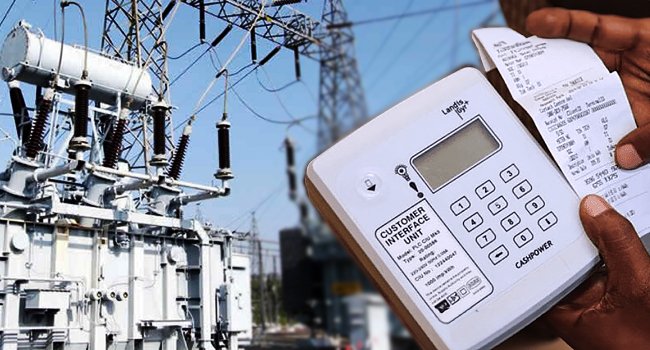
Millions of Nigerians may soon face additional financial pressure as the federal government considers a fresh increase in electricity tariffs, amid rising debts, subsidy challenges, and growing demands from operators in the power sector.
The move gained momentum on Tuesday, May 12, 2026, following renewed appeals by electricity generation companies (GenCos) and other industry stakeholders for an upward review of tariffs to reflect increasing gas prices and operational expenses.
Industry operators reportedly urged the Nigerian Electricity Regulatory Commission (NERC) to act swiftly, warning that the current electricity pricing structure has become unsustainable and could threaten the stability of the power sector if left unchanged.

Key Highlights:
- The Federal Government is considering a fresh electricity tariff increase following pressure from power sector operators and electricity generation companies (GenCos).
- Industry stakeholders urged the Nigerian Electricity Regulatory Commission to review tariffs, citing rising gas prices, operational costs, and mounting sector debts.
- The proposed hike comes less than two years after the controversial Band A tariff increase, which raised electricity costs by over 300% for many consumers.
- Despite previous tariff increases, Nigerians continue to face poor power supply, blackouts, and estimated billing, leading to widespread public dissatisfaction.
- Many households and businesses fear another tariff hike could worsen economic hardship amid rising inflation, fuel prices, and declining purchasing power under ongoing reforms by the administration of Bola Ahmed Tinubu.
The proposed adjustment is coming less than two years after the controversial Band A tariff review, which saw electricity costs rise by more than 300 percent for many consumers in urban areas.
Despite the previous increase, many Nigerians continue to grapple with erratic power supply, frequent blackouts, and complaints over estimated billing, fueling public frustration over the performance of electricity distribution companies.
Government officials have consistently maintained that electricity subsidies now constitute a major strain on public finances, with subsidy obligations estimated to run into trillions of naira annually.
Read also:
- Nigeria Power Crisis: Adebayo Adelabu promises improved electricity supply as Federal Government moves to resolve gas shortage
- EEDC explains emergency electricity supply rationing in 3 South-East states
- Free or Paid? NERC breaks silence on electricity meter charges as Nigerians cry foul
Economic managers of the Tinubu administration have also advocated the gradual removal of subsidies as part of ongoing fiscal and economic reforms aimed at stabilising the economy.
However, the possibility of another tariff increase has sparked fresh concerns among households, small businesses, and economic analysts already battling soaring inflation, high fuel prices, and declining purchasing power.
Many Nigerians fear that any further increase in electricity charges without a corresponding improvement in power supply could worsen the economic hardship currently facing citizens across the country.