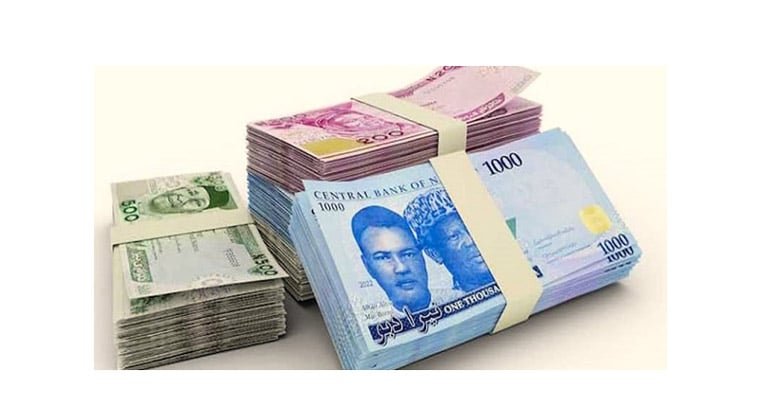
The naira recorded a modest appreciation against the United States dollar on Wednesday, May 6, 2026, signaling a slight recovery in the country’s foreign exchange market.
At the official Nigerian Foreign Exchange Market (NFEM), the naira traded at ₦1,362 per dollar, down from ₦ 1,367.50 per dollar earlier in the week.

According to fresh data released by the Central Bank of Nigeria (CBN), the gain was driven by improved forex liquidity and increased interbank trading activity.
The apex bank noted that the official forex window also experienced stronger turnover, reflecting growing participation among market players amid ongoing efforts to stabilise the currency.
In the parallel market, commonly referred to as the black market, the naira also showed slight gains, trading around ₦1,382 per dollar compared to ₦1,387/$ recorded on Monday.
Forex dealers in major cities like Lagos and Abuja quoted buying rates between ₦1,385 and ₦1,390, while selling rates rose to as high as ₦1,400 depending on transaction volume.
Read Also:
- Naira holds steady against dollar at official, parallel markets
- Naira trades at 1,352/$ at official market, 1,475/$ in parallel market
- Naira trades between ₦1,350,b₦1,420 per dollar amid FX pressures
The narrowing gap between the official and parallel market rates points to gradual progress in the monetary authorities’ push to unify exchange rates across the system.
Financial analysts attributed the naira’s recent improvement to increased dollar inflows into the banking sector and sustained interventions aimed at easing pressure on the forex market.
They added that improved liquidity has helped reduce volatility and restore some level of confidence among investors.
However, traders cautioned that demand for foreign exchange remains high, driven by importers, manufacturers, international travellers, and individuals seeking forex outside official channels.
Despite the current gains, experts maintain that the long-term stability of the naira will depend on consistent forex inflows, stronger export performance, and broader economic reforms to boost investor confidence.