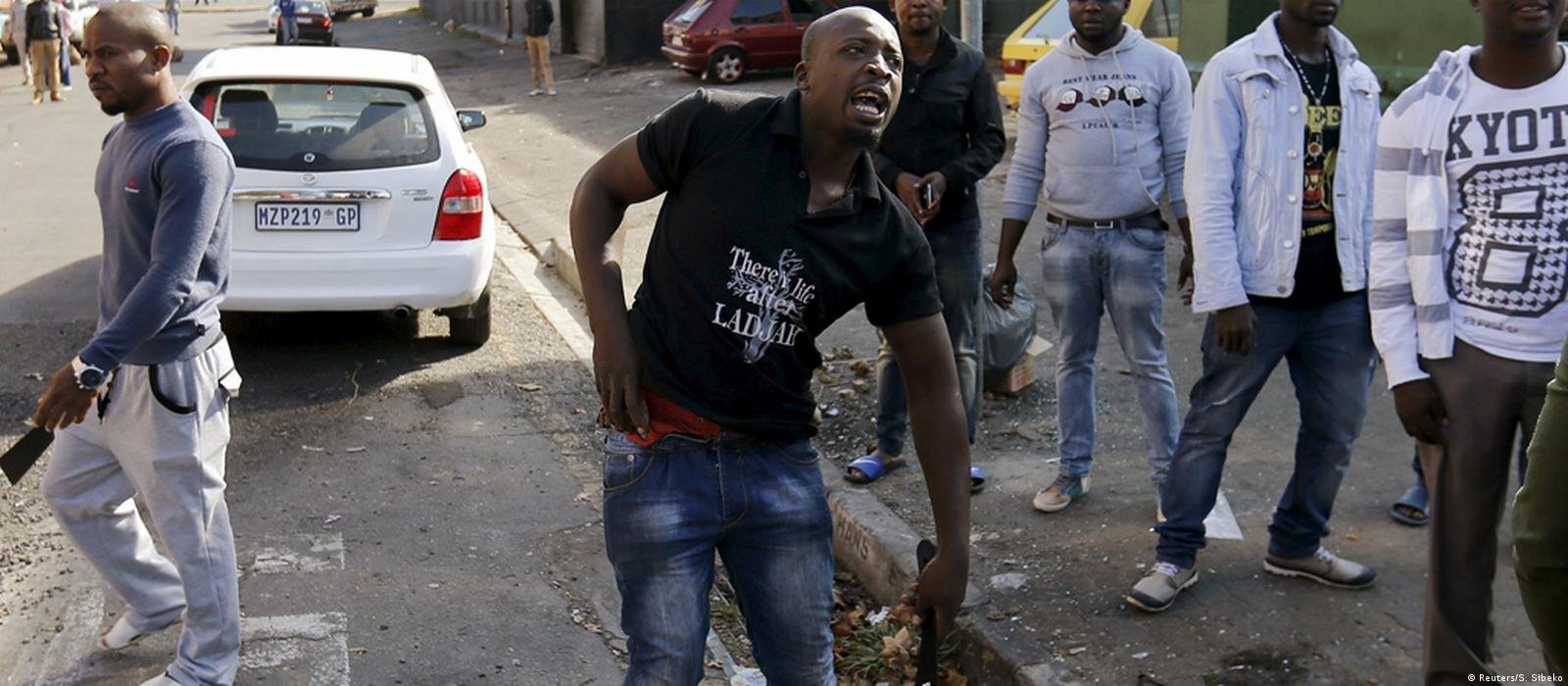
United Nations Secretary-General António Guterres has condemned renewed waves of xenophobic violence in South Africa, warning that such acts undermine the country’s democratic values and historical legacy.
In a statement released through his spokesperson to mark South Africa’s Freedom Day, Guterres expressed deep concern over reports of attacks, intimidation, and incitement against foreign nationals, particularly in KwaZulu-Natal and the Eastern Cape.

He described it as deeply ironic that the violence occurred on April 27, the anniversary of South Africa’s first democratic elections following the end of apartheid.
According to him, the country’s liberation struggle was achieved through the collective support of African nations and the international community.
“Violence, vigilantism, and all forms of incitement to hatred have no place in an inclusive, democratic society,” the statement read.
The UN chief stressed that migrants have historically contributed to South Africa’s economic growth and social development, rejecting claims that foreign nationals are a burden.
Read Also:
- Nigerians in South Africa cry out over renewed Xenophobic attacks, demand urgent federal government intervention
- Afia Schwarzenegger sparks outrage over Xenophobia comment: “Ghana Is Not Nigeria” warning to South Africa trends
- Xenophobia fears grow after activists confront African migrant in South Africa
While acknowledging the country’s socio-economic challenges, including unemployment and poverty, he maintained that such difficulties cannot justify attacks on vulnerable groups.
Guterres urged South African authorities to ensure thorough and impartial investigations into recent incidents, emphasizing the need for timely justice without political interference or bias.
He also called for the full implementation of the National Action Plan against Racism and Xenophobia, designed to curb discrimination and prevent further violence.
Xenophobic attacks have resurfaced intermittently across South Africa in recent years, often driven by tensions over jobs and economic opportunities.
Human rights organisations have repeatedly criticised authorities for failing to hold perpetrators accountable.
As South Africa marks over three decades since the end of apartheid, the UN’s message underscores growing concern that for many migrants living in the country, the promise of freedom and safety remains uncertain.