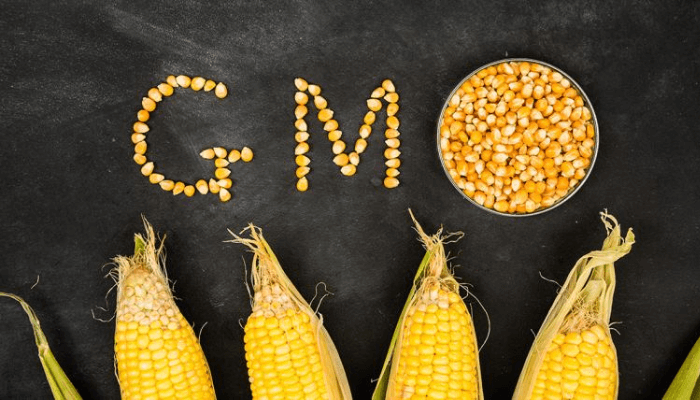
The Director-General of the National Biotechnology Development Agency (NABDA), Prof. Abdullahi Mustapha, has assured farmers and other stakeholders that Genetically Modified Organisms (GMOs) are safe and capable of improving agricultural productivity and livelihoods.
Prof. Mustapha gave the assurance on Monday in Kano, at a one-day sensitisation programme on GMOs organised by NABDA for farmers, agricultural extension workers, seed companies, and traditional leaders drawn from Kano and Jigawa States.

Addressing participants, the NABDA boss said modern biotechnology, including genetically modified technology, had undergone rigorous scientific evaluation and was designed to address challenges facing farmers, particularly low yields, pest infestations, and rising production costs.
He explained that before any genetically modified crop is approved for use in Nigeria, it must pass through strict regulatory processes overseen by the National Biosafety Management Agency, in collaboration with scientists, health experts, and environmental specialists.
“Genetically modified crops are tested over many years, both locally and internationally, to ensure they meet the highest standards of safety.
Read Also:
- Environmental activists fault FG over merger of NABDA with NACGRAB
- Nigeria’s student loan: taking off without a base?
- Failure of GMOs
“Countries across the world have used these crops for over two decades without proven harm to human health,” he said.
Prof. Mustapha noted that one of the major benefits of genetically modified technology is increased yield, stressing that many of the crops are engineered to resist pests and diseases that often destroy harvests.
“With stronger and more resilient crops, farmers can harvest more per hectare, have more food for their families and generate higher income from market sales,” he said.
He further stated that GMOs could significantly reduce reliance on chemical pesticides, thereby lowering production costs and minimising health risks associated with exposure to hazardous agrochemicals.
The director general added that improved crop resistance would also save farmers time and labour, allowing them to expand their operations and engage in other productive activities.
He emphasised that the ultimate goal of biotechnology was to enhance farmers’ livelihoods through increased income, better nutrition, improved access to education and healthcare, and overall economic stability.
Prof. Mustapha urged farmers not to be apprehensive about adopting new technologies, noting that biotechnology was meant to complement, not replace, their traditional knowledge and experience.
President of the Seed Association of Nigeria, Ado Kibiya, said embracing GMOs would help Nigeria meet the food demands of its growing population.
Kibiya described GMOs as products of scientific advancement capable of boosting food production through higher yields, and called on stakeholders to support their adoption for national food security.