
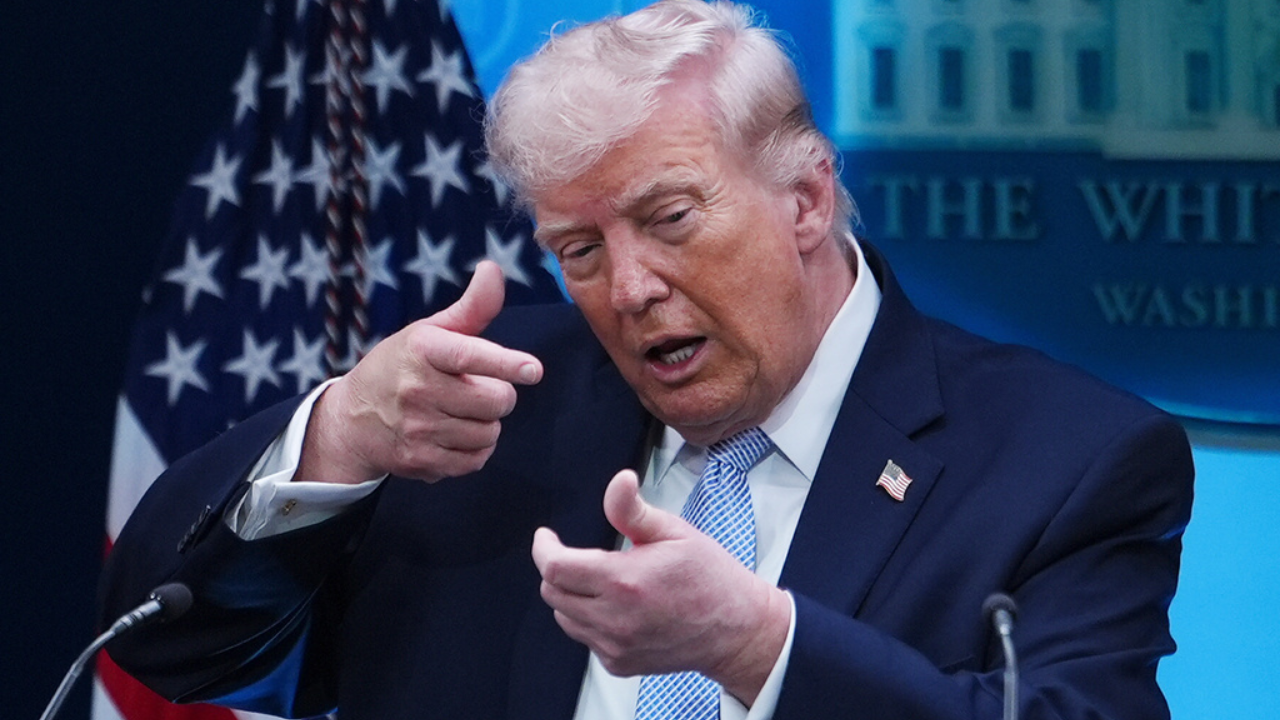
Tensions between the United States and Iran showed signs of easing on Tuesday after President Donald Trump approved a two-week suspension of a planned large-scale military strike, creating room for possible diplomatic engagement.

The decision followed a 48-hour ultimatum reportedly issued by Washington, amid growing behind-the-scenes negotiations. Diplomatic sources indicate that a set of ten conditions attributed to Iranian authorities influenced the temporary pause.
According to emerging details from Iranian channels, the proposed framework outlines terms considered by U.S. officials as a potential basis for de-escalation. Key among them is a mutual commitment to non-aggression and recognition of Iran’s strategic role in the Strait of Hormuz, a critical route for global oil shipments.
Read Also:
- Trump hails Artemis II crew after record-breaking lunar mission
- Trump warns “whole civilisation will die tonight” as US strikes Kharg Island
- Trump’s 48‑Hour Deadline Ends Today: Could ‘Hell Rain Down’ on Iran as ultimatum expires?
The conditions also reportedly include acceptance of Iran’s nuclear enrichment programme and a call for the lifting of U.S. sanctions that have weighed heavily on its economy. In addition, the framework proposes the removal of existing resolutions imposed by the United Nations Security Council and the International Atomic Energy Agency.
Other elements under discussion include financial compensation to Iran, the withdrawal of U.S. forces from parts of the region, and a broader cessation of hostilities involving allied groups across the Middle East.
While no formal agreement has been reached, Trump confirmed the pause in a post on his Truth Social platform, signalling a possible shift from military escalation to negotiation.
Analysts say the next two weeks will be decisive in determining whether the proposals can evolve into a structured agreement or if tensions will rise again, with significant implications for global energy markets and regional security.