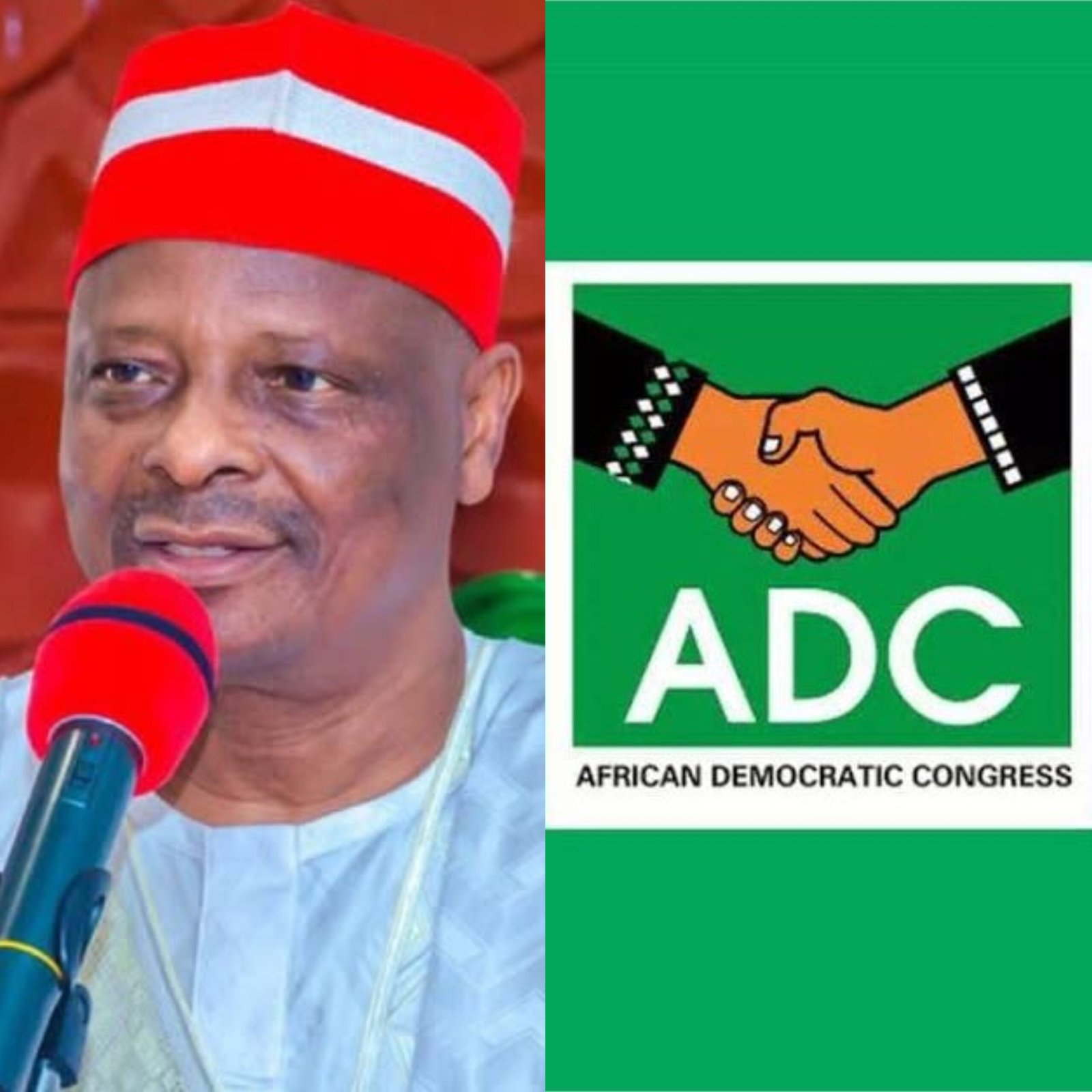
In a development that is already reshaping Nigeria’s political calculations ahead of 2027, Senator Rabiu Musa Kwankwaso has resigned from the New Nigeria Peoples Party and is set to formally align with the African Democratic Congress.
The move, confirmed at his Gidan Kwankwasiyya residence in Kano, signals a fresh phase of political realignment as opposition forces seek to reposition ahead of the next general elections. Accompanied by loyalists and key political associates, Kwankwaso’s exit from the NNPP marks one of the most significant shifts in the evolving opposition landscape.
In his resignation letter, Kwankwaso cited the need for “strategic realignment” in response to the current political climate, noting that a new platform was necessary to pursue his vision for national transformation.

Within the ADC, the development has been welcomed as a major boost. Party leaders, including National Chairman David Mark and key stakeholders such as Rauf Aregbesola, view Kwankwaso’s entry as a step toward building a stronger opposition coalition capable of challenging the ruling All Progressives Congress.
The timing of the defection is widely seen as strategic. Recent political shifts in Kano, including the movement of key figures to the APC, have altered the balance of power in the state. Rather than align with the ruling party, Kwankwaso has chosen to reposition within a platform that is increasingly attracting opposition figures across the country.
There are also indications of ongoing consultations among leading opposition actors. Engagements involving Atiku Abubakar and allies of Peter Obi have fuelled speculation about a possible coalition under the ADC ahead of 2027.
At the centre of the emerging political equation is Kano State, long regarded as a decisive battleground with one of the largest voting populations in the country. Kwankwaso’s influence through the Kwankwasiyya movement remains substantial, and any shift in that structure could alter voting patterns across the North-West.
Political Analysts say the implications go beyond numbers. A consolidation of opposition forces around a single platform could reshape the electoral contest, reducing fragmentation that affected previous elections. It may also place greater pressure on the APC, which currently holds significant institutional advantage through incumbency and widespread political control.
However, questions remain about the durability of such alliances. Past attempts at opposition unity have faltered over leadership contests and zoning arrangements. The challenge of balancing regional interests and agreeing on a presidential ticket could yet test the cohesion of any emerging coalition.
Within political circles, opinions remain divided. While some view the development as a turning point that could energise opposition politics, others argue that structural advantages still favour the ruling party.
Read also:
- Kwankwaso resigns from NNPP, signals major political realignment
- 2027: Kwankwaso urges supporters to stay committed to shared vision
- Kwankwaso hosts Obi, Makinde, Dickson in Kano as Sallah meeting triggers political Realignment talks
What is clear is that Kwankwaso’s move has introduced a new dynamic into the 2027 race. It sharpens the possibility of a more competitive electoral contest, particularly if opposition leaders can sustain momentum and build a unified front.
As the realignment unfolds, the focus will shift to how effectively the ADC can translate this development into nationwide support, and whether the APC can maintain its base amid growing political manoeuvring.
For now, the defection underscores a familiar truth in Nigerian politics: alliances shift, loyalties evolve, and the path to power remains fluid.