


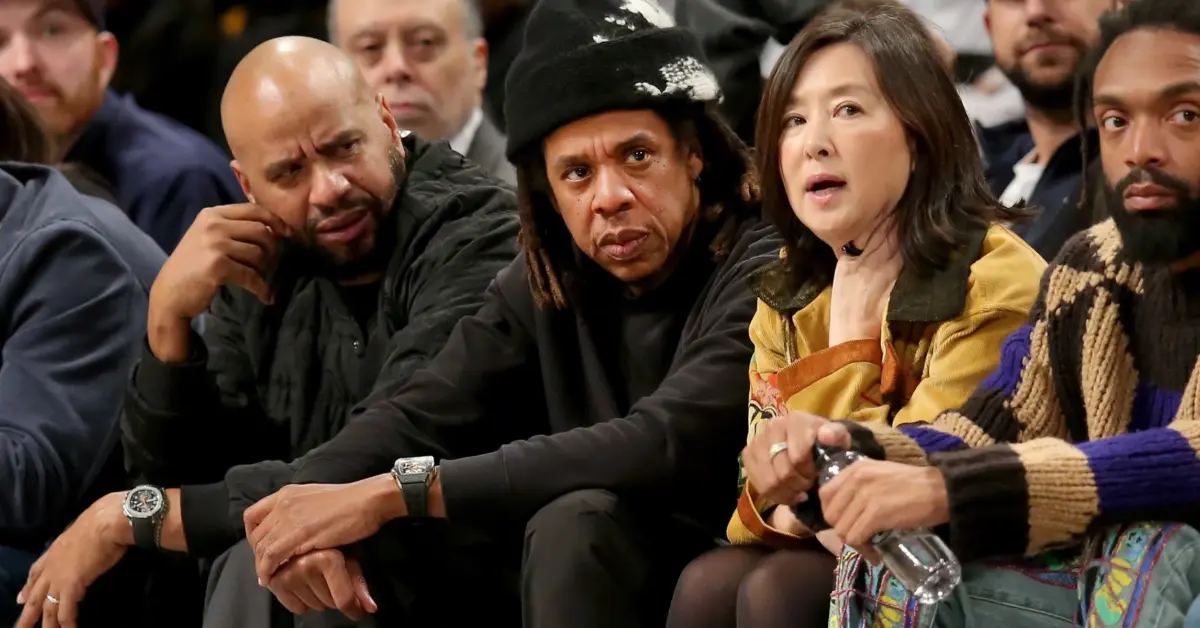
Global rap icon and business mogul Jay-Z has sparked fresh conversations around wealth, responsibility, and public perception after urging billionaires to play a more active role in supporting vulnerable communities.
In a widely circulated interview clip, the billionaire entertainer shared candid views on the responsibilities that come with extreme wealth, emphasising that giving back should be seen as both a moral obligation and a tool for meaningful social impact.

Jay-Z, who is married to music superstar Beyoncé, also challenged the common narrative that paints all billionaires in a negative light.
According to him, a person’s character should not be judged based on their financial status.
“Not all billionaires are bad people,” he said, rejecting sweeping generalisations. “What defines a person is their morals and behaviour, not the money they have.”
Expanding on his point, the rapper noted that unethical behaviour exists across all social classes, stressing that wealth alone does not determine whether someone is good or bad.
Read also:
- Actress Ruby welcomes first child with husband
- 273 million children out of school globally as education crisis deepens — UNESCO report
- Ghana demands compensation for slavery in landmark UN vote
“There are people with no money who are still terrible and bad people,” he added, questioning the logic of linking morality to financial status.
His comments come amid ongoing global debates on income inequality, corporate responsibility, and the expectations placed on the ultra-wealthy.
Observers say his stance highlights a balanced perspective—encouraging the rich to contribute more to society while warning against oversimplified views that equate wealth with moral failure.
At its core, his message underscores that character is defined not by wealth, but by how individuals choose to use their influence and resources.


