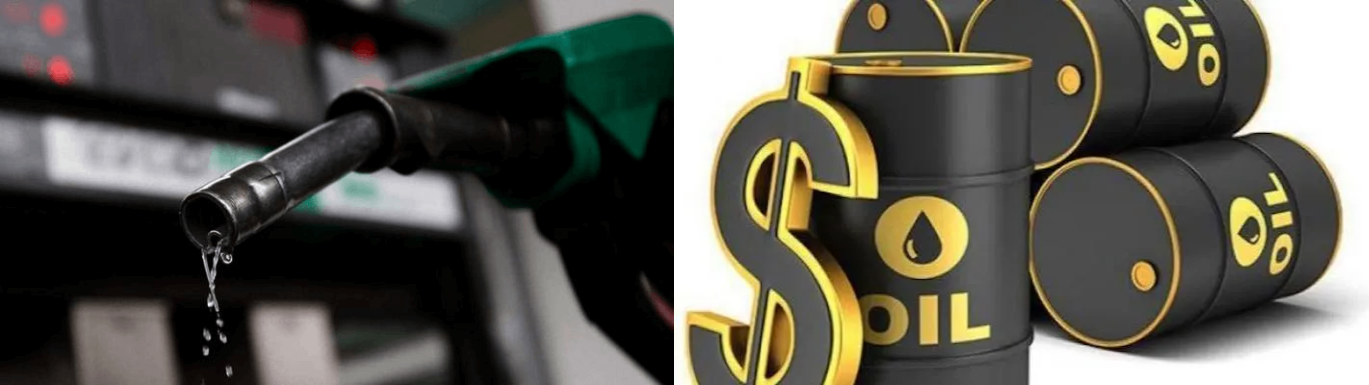
Despite a sharp decline in global crude oil prices from $130 to about $100 per barrel, petrol prices across Nigeria have remained stubbornly high, with Premium Motor Spirit still selling for over N1,300 per litre in major cities.
The drop in crude prices follows renewed diplomatic signals between the United States and Iran, raising expectations of increased oil supply into global markets, particularly in Asia. However, checks in Lagos and Abuja show that these global shifts have yet to reflect at the pump.

Investigations reveal that several retail outlets, including MRS Oil Nigeria, sold petrol at around N1,333 per litre, while depot prices hovered slightly lower. Major depots such as Alkanes, Soroman, and Bovas dispensed products at about N1,270 per litre, with Dangote Petroleum Refinery offering prices around N1,285 per litre.
In Abuja, the situation remains unchanged, with pump prices reaching as high as N1,371 per litre. Filling stations operated by NIPCO Plc and AYM Shafa recorded some of the highest rates, while outlets linked to Nigerian National Petroleum Company Limited maintained prices above N1,360 per litre.
The refusal by marketers to adjust prices has triggered widespread concern among consumers who had expected relief following the drop in crude oil prices. Over the past three weeks, petrol prices in the Federal Capital Territory have surged by more than 50 per cent, driven largely by increases in depot and gantry prices.
Read also:
- Oil price hovers around $103 on Tuesday
- Abdulsamad Rabiu’s wealth surges by $4.47bn, climbs global rich list
Industry observers note that the pricing trend continues to place additional strain on households already dealing with inflation and rising transport costs.
A pump attendant at AA Rano filling station in Karu said pricing decisions are determined by management, not frontline staff. He explained that adjustments to pump prices are handled internally by station managers and technical personnel.
Reacting to the development, Olatide Jeremiah, Chief Executive Officer of Petroleumprice.ng, called for urgent regulatory intervention. He urged agencies such as the Nigerian Midstream and Downstream Petroleum Regulatory Authority and the Federal Competition and Consumer Protection Commission to step in and protect consumers from what he described as exploitative pricing practices.
According to him, marketers often respond quickly to rising crude prices but delay adjustments when global prices fall, thereby widening profit margins at the expense of Nigerians.
On the other hand, the President of the Petroleum Products Retail Outlets Owners Association of Nigeria, PETROAN, Billy Gillis-Harry, maintained that the deregulated nature of the market allows demand and supply to determine pricing, without direct intervention.
Meanwhile, transport operators have passed on the increased fuel costs to commuters. In Lagos, fares have risen sharply, with passengers now paying about N1,200 for routes that previously cost N800, marking a 50 per cent increase.
As Nigerians await possible price adjustments, the gap between global oil trends and domestic petrol pricing continues to deepen, raising fresh concerns about transparency and market fairness in the downstream sector.