
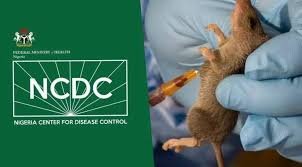
The Nigeria Centre for Disease Control and Prevention (NCDC) has reported a decline in new Lassa fever infections, but the overall death toll has risen to 109 so far in 2026.
The latest Lassa fever situation report, covering February 23 to March 1, shows a slight drop in confirmed cases from 77 in Week 8 to 65 in Week 9.

While the reduction in new infections offers some relief, the case fatality rate currently stands at 23.2 percent, up from 18.7 percent during the same period in 2025, indicating ongoing challenges in disease management and early treatment.
Confirmed infections were reported across 18 states and 69 local government areas, with the majority (86%) of cases concentrated in Bauchi, Taraba, Ondo, Benue, and Edo States.
The 21–30 age group remains the most affected, and six healthcare workers have also contracted the virus, highlighting risks to frontline responders.
Read Also:
- Lassa Fever death toll hits 166 in 2025 as Ondo, Bauchi, Edo others record 90% of cases – NCDC
- NCDC records 145 deaths from Lassa fever in 2025
- NCDC confirms 674 Lassa fever cases, 127 deaths across 18 states
However, the NCDC has intensified efforts to contain the outbreak by launching targeted infection prevention and control strategies in Benue State with support from the World Health Organization (WHO).
Despite these measures, the NCDC identified several factors hampering efforts to curb the outbreak, such as, the late presentation of patients at healthcare facilities, poor health-seeking behaviour, low environmental sanitation and inadequate awareness in high-risk communities.
Also, the agency identified rising infections among healthcare workers, as hampering the control of the disease outbreak, and has urged state governments and community leaders to strengthen awareness campaigns on Lassa fever prevention.
Lassa fever is an acute viral haemorrhagic illness caused by the Lassa virus, typically transmitted to humans through contact with food or household items contaminated by rodent urine or feces.
The disease can also spread from person to person through body fluids.
Symptoms begin with fever, weakness, and headache, progressing in severe cases to bleeding, breathing difficulties, swelling, and organ failure.
Early diagnosis and prompt treatment with Ribavirin are critical to improving survival rates.
The NCDC emphasizes that sustained community engagement, improved healthcare access, and strict adherence to infection control measures remain central to curbing Lassa fever in Nigeria.