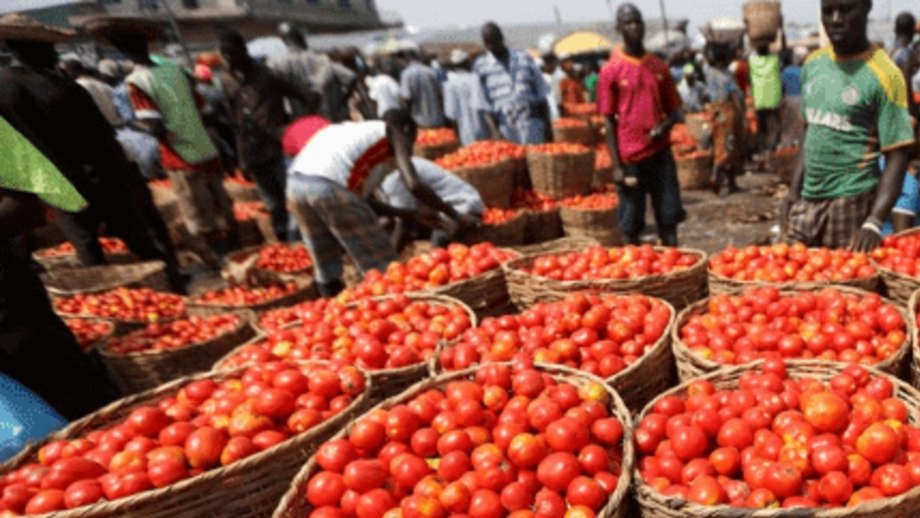
Tomato prices across Nigeria are expected to surge in the coming weeks following the end of the harvest glut and rising transportation costs, according to the National Tomato Growers, Processors, and Marketers Association of Nigeria.
The warning was issued by the Kaduna State chairman of the association, Rabiu Zuntu, who told journalists in Lagos that the peak tomato harvest season has ended, leading to a decline in supply and a gradual increase in market prices.

Zuntu explained that although farmers in the Kano and Kaduna axis are still harvesting tomatoes, the massive glut that flooded markets earlier in the year has now subsided.
He noted that the reduction in supply is already pushing prices upward, and the trend is expected to continue in the months ahead.
Read Also:
- Controversy erupts in Yobe as Islamic cleric Sheikh Alkali suspended from Ramadan Tafsir
- Ramadan: Group distributes 50kg rice to 1,500 Kano residents
- Kano Hisbah arrests 10 persons for allegedly violating Ramadan rules
“Although farmers in the Kano and Kaduna axis are still harvesting, we no longer have gluts as we experienced earlier in the year. The volume of tomatoes has reduced, and this will naturally lead to higher prices,” he said.
According to Zuntu, a 50-kilogram basket of tomatoes currently sells for about ₦20,000 in northern markets, compared with between ₦5,000 and ₦8,000 just two weeks earlier. By the time the produce is transported to Lagos and other southern cities, prices could rise to between ₦30,000 and ₦40,000.
He added that higher fuel prices are likely to increase transportation costs for traders moving tomatoes from northern farms to southern markets, further pushing up retail prices.
Despite the anticipated increase, Zuntu said farmers are already preparing for wet-season cultivation in northern Nigeria to stabilize supply in the longer term.
He explained that the rainy season is approaching in many northern states, and farmers have begun land clearing and other preparations for wet-season planting.
The association stressed that the expected rise in tomato prices is largely driven by seasonal supply shortages following the glut period rather than production costs in the north.
However, the cost of moving the produce to southern markets is expected to remain high due to logistics and fuel expenses.
NATPAN urged consumers and stakeholders to understand the seasonal nature of tomato production while encouraging greater support for local farmers to maintain stable supply throughout the year.