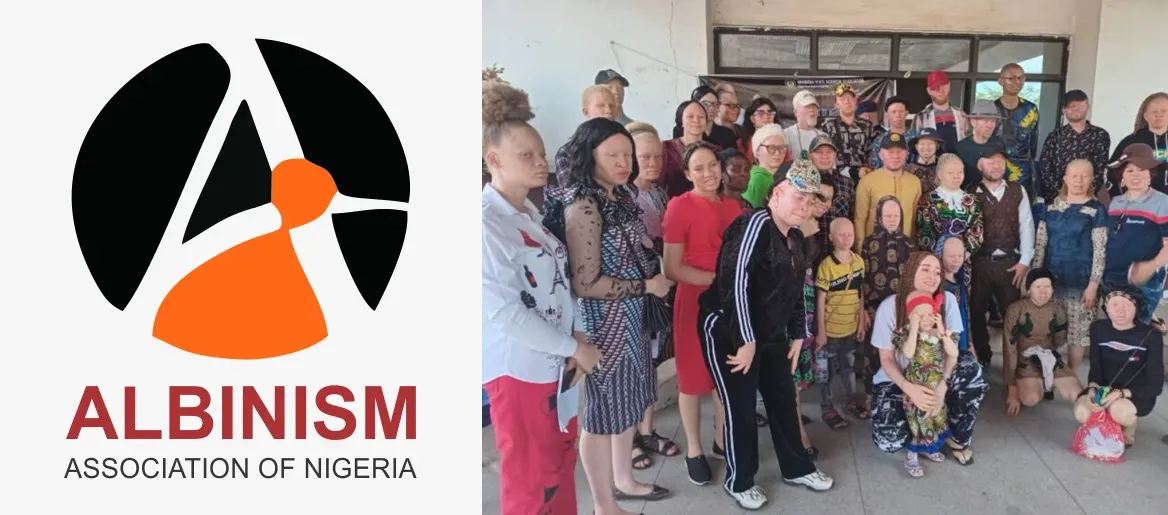
National President and Executive Director of the Albinism Association of Nigeria (AAN), Mrs Bisi Bamishe has called for a more inclusive, comprehensive, and multi-dimensional approach to addressing issues affecting Nigerian women.
Bamishe made the call in a statement on Sunday in commemoration of the 2026 International Women’s Day, noting particularly those affecting women and girls with disabilities.

Bamishe expressed concern over the difficult realities many women continue to face in society, noting that women often bear significant social and economic burdens as mothers, caregivers, and contributors to national development.
She emphasized the urgent need for stronger policies and social protection systems that prioritize the dignity, protection, and empowerment of women across all sectors.
According to her, women deserve the right to live fulfilling and dignified lives free from discrimination, violence, and social exclusion.
However, she noted that women with disabilities often experience multiple layers of discrimination and vulnerability.
“In addressing women’s issues in Nigeria, there must be a deliberate and comprehensive multi-faceted approach, particularly when it concerns disability clusters.
“Women with disabilities are often more exposed to neglect, discrimination, poverty, and various forms of abuse.
Read also:
- The world commemorates 2026 International Women’s Day
- Super Falcons aim for victory against Lionesses in second friendly
- Ogoni youths decry non-upgrade of facilities at university by NNPCL
“It is therefore important for us to stand united and draw attention to these realities so that the government and society can better understand our challenges and put appropriate measures in place to address them.”
Dr. Bamishe further highlighted the unique challenges faced by women and girls with albinism in Nigeria, explaining that they frequently confront stigma, harmful stereotypes, and limited access to essential services.
“As a woman and a person with albinism, I understand firsthand the challenges that come with navigating society under these circumstances.
“Many women and girls with albinism face discrimination, health risks associated with sun exposure, and limited access to healthcare, education, and economic opportunities,” she said.
She called on government institutions, civil society organizations, development partners, and the media to intensify efforts toward inclusive policies and programs that support and empower women and girls with albinism.
Bamishe stressed the need for stronger awareness campaigns to combat myths and misconceptions surrounding albinism, improved access to dermatological care and sun protection products, inclusive education systems, and economic empowerment initiatives that will enable women with albinism to live productive and dignified lives.
She urged society to promote empathy, equality, and inclusion for all women, emphasizing that sustainable development cannot be achieved if any group is left behind.
“If we truly want a just and equitable society, then the voices and rights of women and girls with albinism must be heard, respected, and protected,” she said.