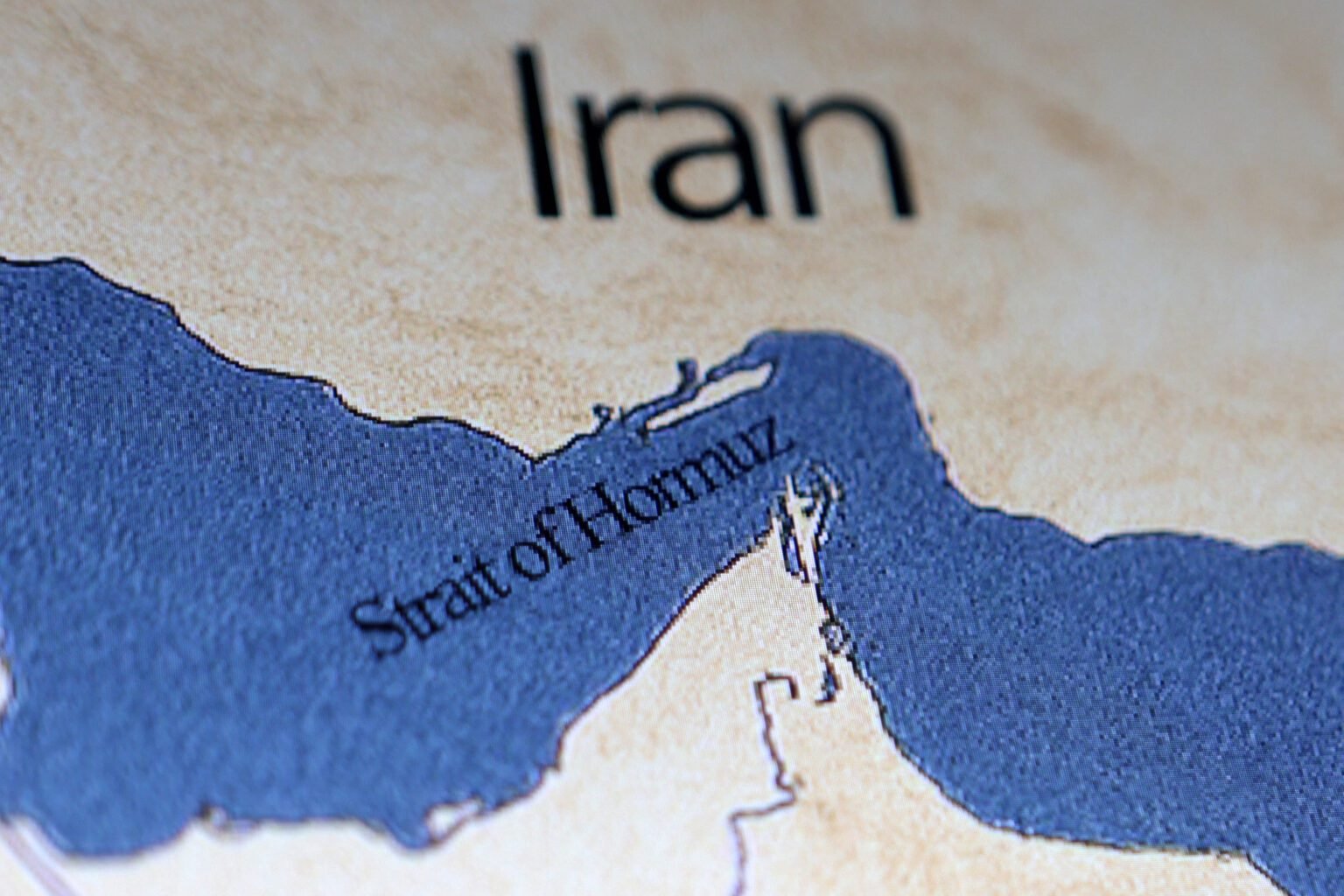
Iranians woke up to the sounds of massive explosions in Tehran and other parts of the country as the war involving Iran, the United States and Israel entered its second week with no signs of easing.
The overnight blasts were reported across several locations in the Iranian capital, intensifying fears among residents as hostilities continue to expand across the region.

Iranian President Masoud Pezeshkian declared that the country would never surrender despite growing pressure from Washington.
His remarks came after United States President Donald Trump demanded Iran’s “unconditional surrender” while military exchanges between the sides continue.
Tehran has responded to the ongoing attacks by launching drones and missiles at targets in Israel and parts of the Gulf region, raising concerns that the conflict could escalate further.
Saudi Arabia said its air defence systems intercepted and destroyed two ballistic missiles launched toward the Prince Sultan Airbase.
Read also:
- Trump says U.S. will accept no Iran deal without “Unconditional Surrender”
- NAFDAC inaugurates taskforce on counterfeit, fake drugs, unwholesome processed foods in Ebonyi
- Customs intercept 14,375 litres of smuggled petrol in Cross River
Authorities also reported that several drones heading toward the Shaybah oilfield were successfully shot down before reaching their targets.
Meanwhile, Iran’s ambassador to the United Nations, Amir-Saeid Iravani, accused the United States and Israel of disregarding international norms during the conflict.
According to him, both countries “recognise no red line in committing their crimes” against Iran, alleging that densely populated civilian areas were being targeted in the ongoing bombardment.
International concern has also grown following a deadly attack on a girls’ school in the southern Iranian city of Minab earlier this week. The strike reportedly killed 165 students, prompting outrage and calls for accountability.
United Nations experts have now called for an independent investigation into the incident, as emerging media reports suggest that the US military may have been responsible for the attack.
The conflict continues to intensify across multiple fronts, with casualty figures rising and regional tensions reaching a critical level.
Observers warn that without immediate diplomatic intervention, the war risks drawing in more countries and further destabilising the Middle East.