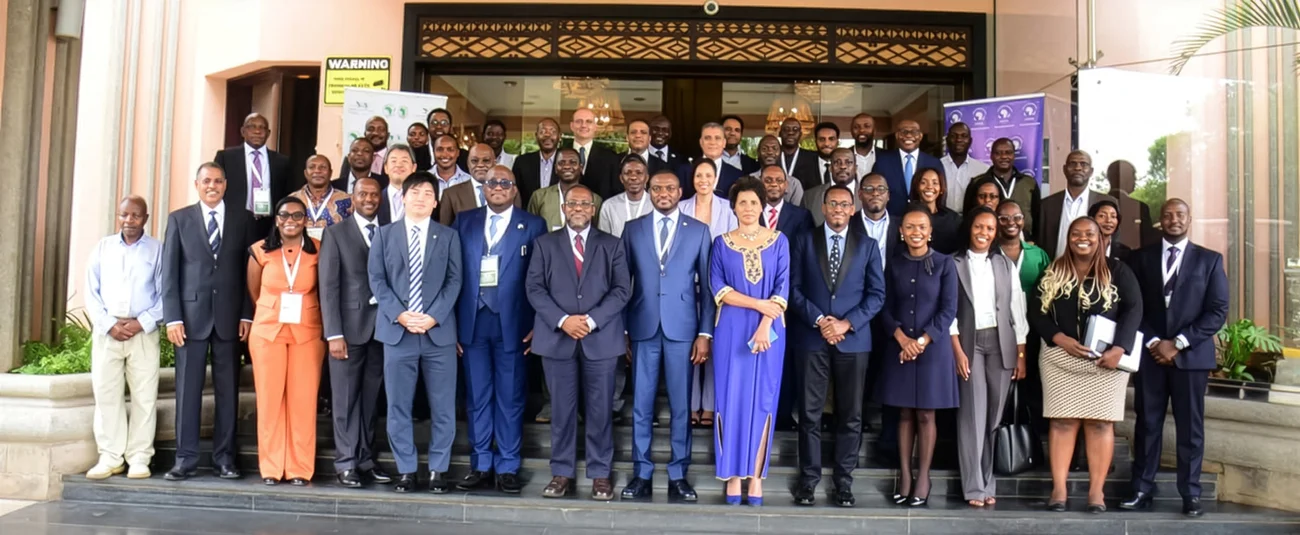
The African Development Bank Group has unveiled a new continent-wide aviation financing initiative aimed at transforming Africa’s fast-growing air transport sector into a profitable and sustainable engine for economic growth.
The initiative, known as the Integrated Aviation Transformation Program, was presented during the Airlines, Capital and Connectivity Forum held in Nairobi, Kenya, from February 25 to 26, 2026. The forum was convened by the African Development Bank Group in partnership with the African Airlines Association and brought together airline executives, policymakers, investors, regulators, and development partners.
The new aviation financing platform is designed to modernise Africa’s aviation ecosystem by combining policy reform, innovative financing tools, and large-scale capital mobilisation to support infrastructure development and airline growth across the continent.

Despite strong passenger demand, Africa’s aviation sector continues to face structural challenges. These include high costs of capital, fragmented regulatory systems, infrastructure gaps, and limited access to long-term financing. The Integrated Aviation Transformation Program seeks to address these barriers by creating a coordinated and bankable framework for investment in the sector.
According to AfDB officials, the programme will help de-risk priority aviation projects, support pilot investments, and restore confidence among institutional and commercial financiers interested in Africa’s aviation market.
Speaking at the opening of the forum, Mike Salawou, Director for Infrastructure and Urban Development at the African Development Bank, said the continent’s aviation demand outlook ranks among the strongest globally but investment readiness has not kept pace.
Industry stakeholders also highlighted the vast growth potential of Africa’s aviation market. The Secretary General of the African Airlines Association, Abderahmane Berthé, noted that although Africa accounts for nearly 18 percent of the world’s population, the continent represents less than three percent of global air traffic.
According to him, this imbalance reflects regulatory and structural barriers rather than weak market demand.
Projections presented at the forum suggest Africa could become the world’s fastest-growing aviation market over the next two decades. Industry forecasts indicate that one out of every four new air travellers globally could originate from Africa as rapid urbanisation, population growth, and an expanding middle class drive demand for air transport.
However, profitability across the sector remains weak. Data from the International Air Transport Association shows that African airlines are expected to record net profit margins of between one and two percent, significantly lower than the projected global industry average of 3.9 percent in 2026.
High fuel costs, heavy taxation, incomplete liberalisation of airspace, and limited hub infrastructure continue to weigh heavily on airline operations across the continent.
Connectivity within Africa also remains limited. Intra-African flights account for only about a quarter of total air traffic on the continent, forcing many travellers to transit through cities outside Africa to reach destinations within the region.
Participants at the forum stressed that full implementation of the Single African Air Transport Market would be essential to unlock efficient air connectivity across the continent.
A keynote address delivered on behalf of the African Union Commission described aviation reform as critical for strengthening economic sovereignty, regional integration, and global competitiveness. The African Union has also designated the Single African Air Transport Market as its continental theme for 2027.
Discussions during the two-day forum focused on improving airline bankability, advancing climate-friendly aviation solutions, expanding cargo and logistics capacity, developing aviation skills, and introducing innovative risk-sharing mechanisms under the new AfDB programme.
Read also:
- AfDB approves $9.57 Million grant to boost health security in Southern Africa
- Reps to probe non-release of AfDB, JICA agric intervention funds
- AfDB Pledges support to Cross River’s health, agricultural sectors
Country experiences from Nigeria, Kenya and Ethiopia were also highlighted as examples of how national reforms could align with broader continental aviation objectives.
Samuel Obafemi Bajomo, Senior Adviser to Nigeria’s aviation ministry, said pro-investment policy frameworks would be essential for improving connectivity and unlocking the continent’s aviation potential.
He noted that aviation has the capacity to drive trade, tourism, and broader economic development across Africa if the right policies and financing structures are put in place.
The forum concluded with a clear message from industry leaders and policymakers that Africa’s aviation demand is accelerating and irreversible. The next phase, they said, will require coordinated execution by governments, financiers, and industry stakeholders to align policy, capital, and infrastructure so that aviation can become a long-term driver of inclusive growth and regional integration across the continent.