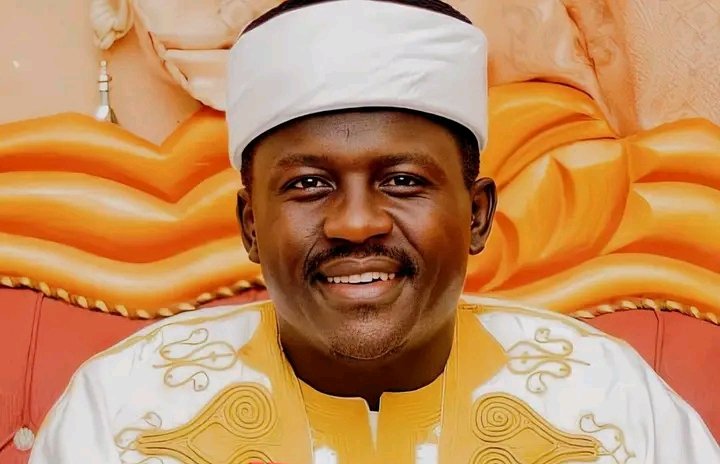
Controversy has erupted in Yobe State after Islamic cleric Sheikh Alkali Abubakar Salihu Zaria was suspended from delivering his Ramadan Tafsir at the Mokas Mosque in Damaturu.
The decision was taken by the Jos faction of Jama’atu Izalatil Bid’ah Wa Iqamatis Sunnah (JIBWIS). Sources said the action followed a meeting led by the group’s Council of Ulama under its national chairman, Sheikh Muhammad Sani Yahaya Jingir, alongside state and local representatives in Yobe.

Sheikh Alkali was reportedly accused of using strong language against political leaders while addressing insecurity in northern Nigeria, in a manner said to be inconsistent with the organisation’s established approach.
During one of his Ramadan sermons, the cleric condemned kidnappings, banditry and what he described as a lack of political will by leaders. He lamented that citizens were being abducted and treated inhumanely while authorities failed to act decisively.
Read Also:
- 25 dead, others missing as canoe capsizes in Yobe
- Yobe gov reaffirms commitment to peace, unity, cultural heritage
- Gov. Buni sets up committee to revive Yobe’s cultural heritage
He also made direct remarks about Nigeria’s president, Bola Ahmed Tinubu, and several state governors, accusing them of placing political loyalty above fear of God.
“Look at how state governors fear Tinubu much more than they fear Allah,” he said, adding that opposition members were often targeted with false accusations while members of the ruling party were treated as beyond reproach.
Following his suspension, Sheikh Alkali reacted in a Facebook post, saying he accepted the decision in good faith. He urged his followers to remain calm, disciplined and loyal, stressing that everything happens according to Allah’s will.
The development has sparked heated debate on social media.
Some youths described the suspension as unfair, arguing that religious leaders should be free to speak out against injustice and insecurity. Others disagreed, saying the sermon was overly dramatic and risked creating tension among worshippers.
Supporters of the cleric insist that speaking truth to power should not attract punishment, particularly at a time when insecurity remains a major concern in many northern states.
The incident has once again highlighted growing tension between religious voices and political leadership in Nigeria, where Ramadan sermons often draw large audiences and play a significant role in shaping public opinion.