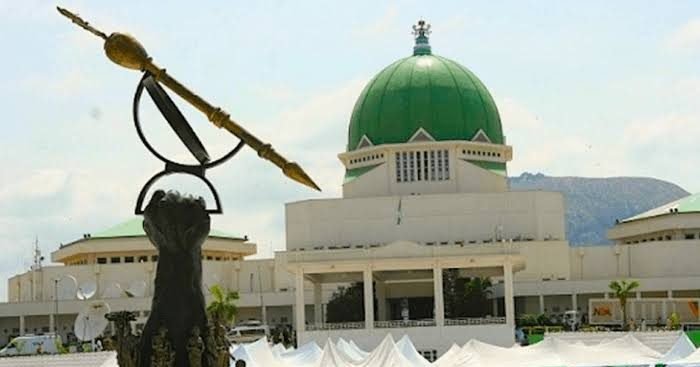
The minority caucus of the House of Representatives has raised fresh alarm over what it described as “grave and illegal alterations” in Nigeria’s newly enacted tax laws, insisting that the discrepancies amount to a direct assault on the constitutional powers of the National Assembly.
This followed the submission of an interim report by a seven-man ad hoc committee set up by the caucus, to investigate allegations that the tax reform laws assented to by President Bola Tinubu were materially different from versions that were gazetted.

The controversy erupted after a lawmaker, Rep. Abdulsamad Dasuki, alerted the House to the circulation of what he described as an “authorised version” of the tax laws that differed from those duly passed by the National Assembly.
The development sparked public outrage, prompting the minority caucus, on December 28, 2025, to vow to “unconditionally protect the independence of the legislature and Nigeria’s democracy.”
In furtherance of that pledge, the caucus, led by the Minority Leader, Rep. Kingsley Chinda, on January 2, 2026, constituted a fact-finding committee chaired by Rep. Afam Ogene.
Other members are Rep. Aliyu Garu (Bauchi), Rep. Stanley Adedeji (Oyo), Rep. Ibe Osonwa (Abia), Rep. Marie Ebikake (Bayelsa), Rep. Shehu Fagge (Kano) and Rep. Gaza Jonathan (Nasarawa).
The committee’s work coincided with a January 3, 2026 directive by the Speaker of the House, Abbas Tajudeen, ordering the public release of the four tax reform Acts as signed into law.
In a statement by the House spokesman, Rep. Akintunde Rotimi, the speaker also mandated an internal verification and the release of certified true copies to “eliminate doubts, restore clarity, and protect the sanctity of the legislature.”
The Acts released were the Nigeria Tax Act, 2025; Nigeria Tax Administration Act, 2025; National Revenue Service (Establishment) Act, 2025; and the Joint Revenue Board (Establishment) Act, 2025.
Presenting its preliminary findings, the committee confirmed that the allegations raised on the floor of the House were valid.
The report noted that there were “clear alterations” in the gazetted laws, particularly the Nigeria Tax Administration Act (NTAA), 2025, with as many as three different versions of the Act found to be in circulation.
Read also:
- DBN hinges success on adherence to corporate governance principles, practice
- World Water Day: Experts urge protection, sustainable exploration of underground water
- Edo property developers get two-week window for issuance of free building plans
The committee noted that the speaker’s directive to “align” the Acts with the Federal Government Printing Press was itself an indication that “procedural anomalies” had occurred, resulting in what it described as an illegal encroachment on the lawmaking powers of the National Assembly.
The panel identified several contentious provisions in the NTAA, 2025.
It revealed that Section 29(1) on tax compliance reporting thresholds was altered in the gazetted version to lower the threshold for individuals from ₦50m to ₦25m and for companies from ₦250m to ₦100m.
“This is a clear case of the executive undermining legislative powers by illegally altering an already passed law to drag more taxpayers into the net,” the committee stated.
It further disclosed that new sub-sections, 41(8) and 41(9), were inserted in the gazetted Act, mandating taxpayers to deposit 20 percent of disputed tax amounts before appealing decisions of the Tax Appeal Tribunal to the high court—provisions which, it stressed, were never passed by the National Assembly.
Other alleged alterations include Section 64, where the gazetted version reportedly expanded the powers of tax authorities to arrest suspects through law enforcement agencies and sell seized assets without court orders.
The committee also faulted changes to Section 3(1)(b), which redefined federal taxes by removing petroleum income tax and VAT from the federal tax list, describing the move as an “affront” to the exclusive legislative powers of the National Assembly.
Similarly, Section 39(3) was allegedly altered to mandate tax computations for petroleum operations in US dollars, contrary to the version passed by lawmakers, which prescribed computation in the currency of the transaction.
In the National Revenue Service (Establishment) Act, the committee found that key oversight provisions empowering the National Assembly to summon officials and receive quarterly and annual reports were deleted in the gazetted version.
It said the move showed “total disregard and disrespect” for parliamentary oversight and the doctrine of checks and balances.
Given what it described as “anomalies, illegalities and impunity” that undermine democracy, the committee said the evidence so far justify a deeper investigation.
It therefore requested an extension of time to conduct a more comprehensive probe into the alleged tampering and identify those responsible.
“We find the current evidence sufficient to warrant a deeper investigation to ensure accountability for this affront against the legislature,” Rep. Ogene said.
The committee thanked the minority caucus leadership for the opportunity to serve and pledged to fully uncover the truth behind the controversial alterations.