Burkina Faso has taken a decisive step to tighten control of its airspace with the reported acquisition of advanced air defence systems, signalling a major shift in its national security posture amid mounting threats across the Sahel.
Reports on January 15, 2026, indicate that the West African nation has received Russian-made S-300 air defence systems, a long-range surface-to-air missile platform known for its ability to intercept aircraft, cruise missiles, and ballistic threats over wide distances.

Images shared widely on social media show launchers and support equipment being deployed, with local commentators hailing the systems as a powerful deterrent against potential aerial incursions.
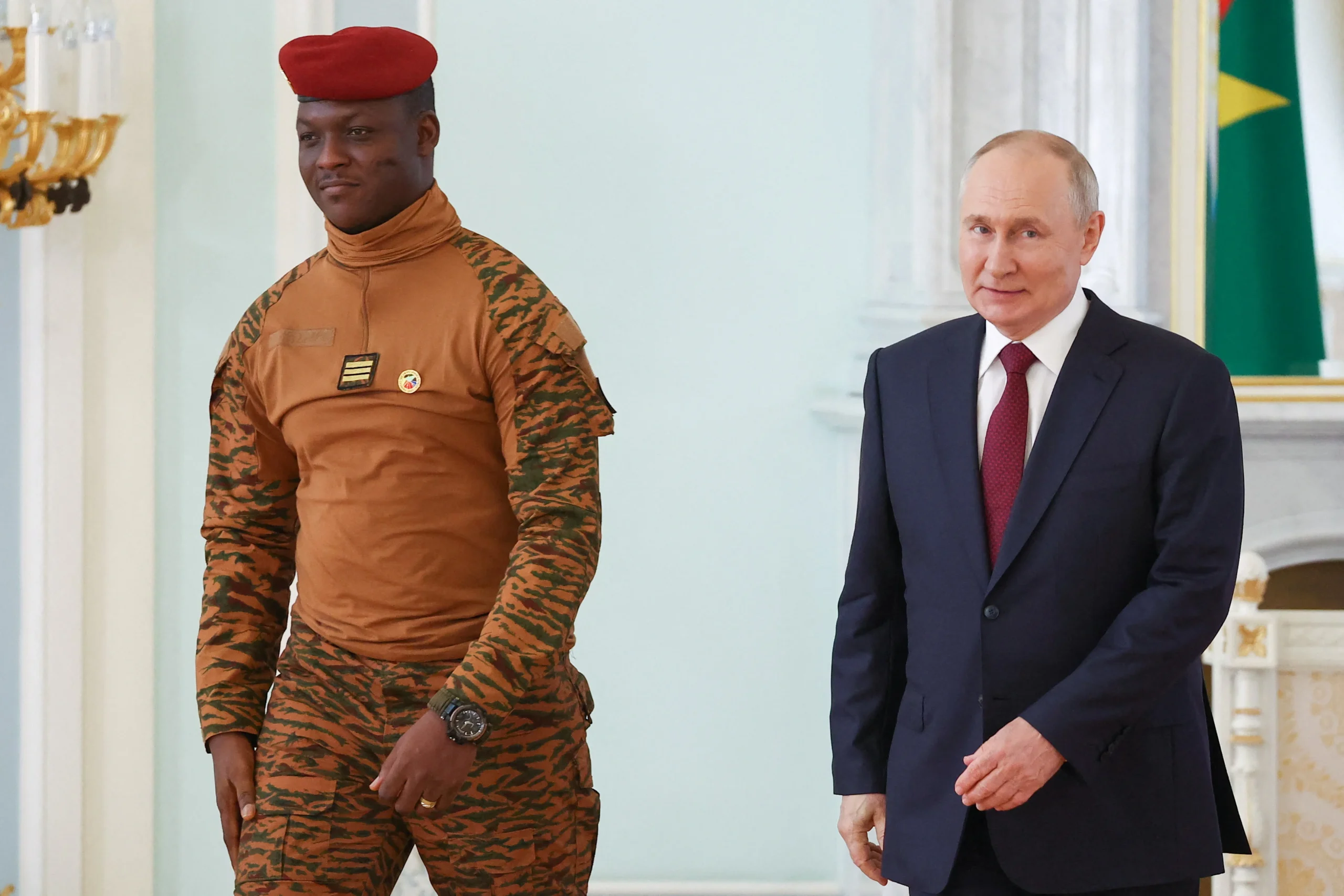
The development reflects the determination of Burkina Faso’s military-led government under Captain Ibrahim Traoré to defend the country’s sovereignty at a time of heightened regional tension. Supporters of the move have framed it as a case of preparing for conflict in order to preserve peace, as insecurity linked to insurgency and foreign interference continues to challenge the region.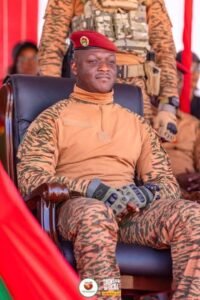
Locally circulated images of the newly arrived systems have drawn strong reactions, with some users referring to the equipment by striking nicknames that highlight both their appearance and perceived strength. While official confirmation remains limited, the visual evidence has fueled widespread discussion about a new phase in Burkina Faso’s defence strategy.
Read also:
- DR Congo Jodi Lukoki dies at 29
- ‘CFN to host befitting Africa Cycling Championship’
- Abramovich covert move could hamper Chelsea’s takeover
The air defence upgrade follows a broader military modernisation drive. In 2025, Burkina Faso reportedly received Chinese-made artillery systems, including SR5 multiple rocket launchers and VN22B fire support vehicles, aimed mainly at strengthening ground operations against armed groups. The country has also expanded its aerial capabilities in recent years through the acquisition of Turkish Bayraktar TB2 and Akinci drones, which have improved surveillance and precision strike capacity.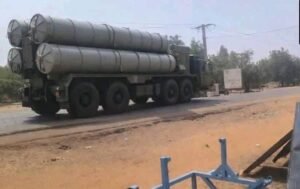
Analysts suggest the latest air defence assets may also include components sourced from China, pointing to a deliberate effort by Ouagadougou to diversify its military partnerships. This approach marks a clear move away from reliance on traditional Western suppliers and aligns with Burkina Faso’s growing cooperation with Russia and China, particularly within the Alliance of Sahel States.
For a country whose air force has historically been limited, the introduction of S-300 systems represents a significant leap. By deploying such technology, Burkina Faso appears intent on building a layered defence capable of countering drones, manned aircraft, and other emerging threats common in modern asymmetric warfare.
Although details on the number of systems delivered and their operational status have not been officially disclosed, the acquisition alone sends a strong message. As Burkina Faso presses ahead with efforts to secure its territory and assert control over its skies, the arrival of advanced air defence systems is likely to reshape the security balance in a region still grappling with instability.