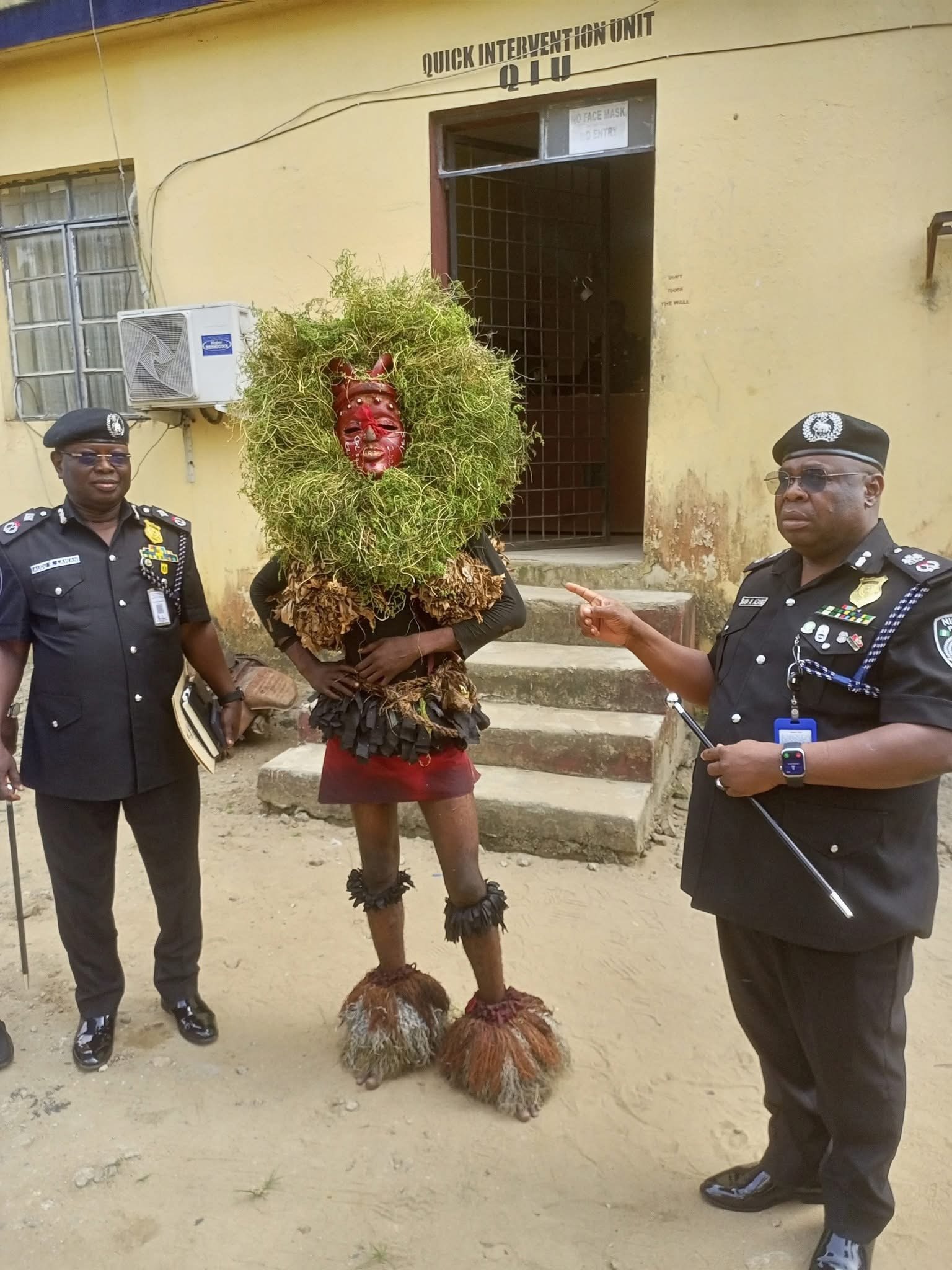
The Nonreligious Community in Nigeria has called on the Akwa Ibom State Government to reverse its recent prohibition of masquerade activities, describing the measure as excessive and harmful to constitutional freedoms. The group issued a statement after reports circulated of assaults linked to some masquerade performers, an incident that prompted the state’s blanket ban.
According to the organisation, those attacks were unacceptable and clearly violated the constitutional rights of residents, including freedom of movement and freedom from discrimination. The group stressed that such misconduct should be addressed through proper law-enforcement channels. It argued that replacing criminal accountability with broad cultural restrictions does not solve the problem and instead threatens long-standing cultural expression protected under the Constitution.

In the statement, the group warned that selective enforcement risks breeding mistrust. They pointed to the regular disturbances associated with some religious gatherings, including noise pollution and obstructed roads, noting that these activities often continue without similar government action. They argued that fairness requires one standard for all groups, whether cultural or religious.
Read also:
- Etanabene Warns Constituents: Large empowerment projects often come from questionable funding
- Ibadan Stampede: Oyo govt withdraws criminal case against organizers
- Udom orders for probe of collapse building in A’ Ibom
The organisation urged the state to withdraw the ban and introduce practical rules that allow masquerade traditions to continue under conditions that safeguard public order. It also encouraged security agencies to identify and prosecute those responsible for violence rather than punish entire communities with sweeping restrictions. Traditional institutions were reminded of their role in guiding cultural conduct in a way that aligns with constitutional protections.
The statement concluded with an appeal for equal treatment of all citizens, whether religious, nonreligious, or cultural practitioners, and stated that Nigeria’s diversity must be managed with care, not suppressed in moments of tension. It emphasized that cultural heritage should not be criminalized because of the actions of a few, and that both belief and non-belief deserve the protection of the law.