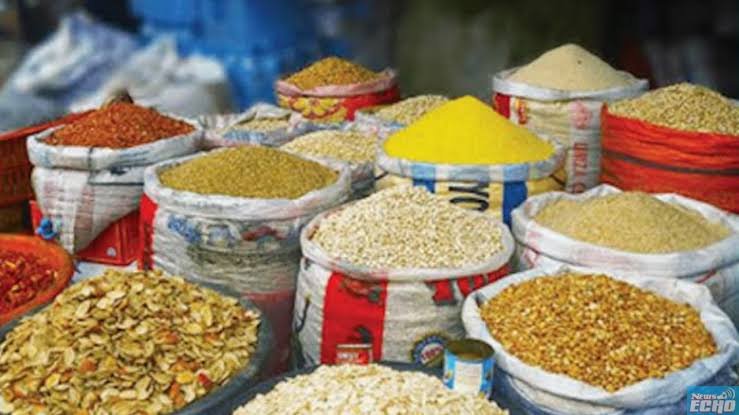
Nigeria loses an estimated 9 to 10 billion dollars every year to post-harvest waste, a scale of loss that specialists describe as a direct blow to food security, rural earnings and national growth.
Key Highlights

- Losses linked to poor harvesting, weak storage systems, bad roads and limited processing
- Up to half of Nigeria’s farm output wasted annually
- Agritech experts call for modern storage, cold-chain expansion and better farmer training
- Waste reduction seen as a path to export growth, job creation and stronger rural incomes
- Environmental gains expected through lower emissions and waste-to-wealth ventures
Segun Alabi, Chief Executive of Davidorlah Nigeria Limited, issued the warning during a media briefing in Abuja. His firm, which runs the largest pineapple estate in West Africa, has documented widespread shortfalls in handling, transport and processing that cause between 30 and 50 percent of national output to spoil before it reaches consumers.
He explained that Nigeria’s annual losses are large enough to revive the agricultural sector if channelled into storage infrastructure, cold-chain systems, silos and community-based processing centres that preserve perishable crops for longer periods. He added that farmer education, improved access roads and affordable preservation tools such as solar dryers are essential to reversing the trend.
Read also:
- Nigeria targets $2.2 Billion investment in Tomatoes, Cassava, Maize to end food crisis – Minister Kyari
- Over 300 exhibitors to grace Lagos Food & Beverage West Africa International trade fair
- Healthy Food Policy as Panacea to Hypertension Epidemic
Alabi argued that cutting waste would immediately raise the volume of produce available for sale, open new export windows and reinforce food security. Value retention at the farm level, he said, strengthens every link of the value chain and improves national productivity.
He noted further that waste-reduction efforts would generate thousands of jobs in logistics, storage operations, food processing, equipment fabrication and training services. Women and young people in rural communities stand to gain the most from these new opportunities.
Alabi also pointed to environmental benefits. Reduced spoilage would ease pressure on farmland and water while cutting greenhouse-gas emissions from rotting produce. He identified composting, organic fertilizers, animal feed, bioenergy and bioplastics as promising areas for new investment.
He called for a decisive policy shift, warning that the country cannot afford to allow billions in agricultural value to disappear each year when the same losses hold the key to wealth creation and national stability. He urged government to lead with strong investment and a clear framework for innovation, stating that Nigeria’s agricultural future depends on swift action against post-harvest waste.