In Nigeria’s rapidly evolving digital landscape, accusations of sexual assault can spread faster than authorities can verify them, giving social media users immense power but also exposing them to grave consequences when claims are false.
The rise of platforms like TikTok, Instagram, and Twitter has created a new battleground where the line between justice and misinformation is razor-thin.

A single viral post alleging sexual assault can mobilize public outrage within hours. Hashtags trend, celebrity voices amplify the story, and millions form opinions before formal investigations are conducted.
While this power has allowed genuine survivors to find support and attention that was previously denied, it has also created fertile ground for false or exaggerated claims.
Experts warn that social media’s immediacy often bypasses traditional safeguards, leaving the accused exposed to harassment, threats, and reputational harm sometimes irreparably.
Read also:
- Former BBNaija star Cross ties knot with longtime partner Chinonso
- N-Power Experience: Origins, setbacks, new relief measures
- Father arrested at child’s naming ceremony for allegedly stealing goat
Recent Nigerian cases illustrate the dangers of false allegations:
Mirabel the TikToker: Abigail Nsuka, known online as Miracle, posted a claim that she had been raped. Her story went viral, attracting nationwide attention.
Authorities later discovered parts of the claim were fabricated, and she is now under police investigation for providing false information.
The incident sparked debates about accountability, misinformation, and the responsibilities of influencers.
David Adefesobi at OAU: A second-year student at Obafemi Awolowo University, David Adefesobi, filed a N15 million lawsuit against a female student and Miracle the TikToker for allegedly making false rape accusations against him.
The suit, which seeks damages for defamation and emotional distress, underscores how quickly reputations and academic careers can be damaged by unverified claims.
These examples show how false claims can ruin lives, waste investigative resources, and ultimately harm genuine survivors by breeding public skepticism.
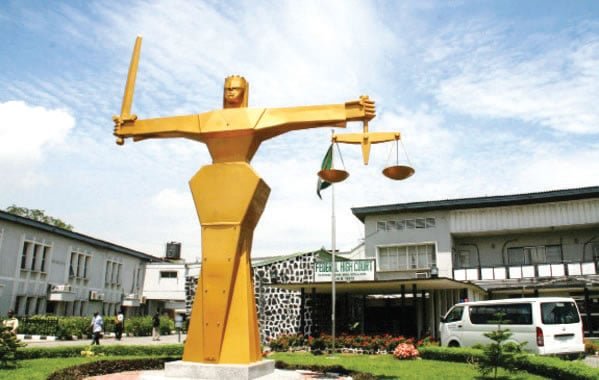
Under Nigerian law, knowingly making false allegations of rape is a criminal offense. Sections 171 and 172 of the Criminal Code, as well as the Cybercrimes (Prohibition, Prevention, etc.) Act of 2015, provides for penalties including fines and imprisonment.
Legal experts stress that viral accusations create additional challenges: once an allegation spreads online, damage to reputation occurs instantly, and even successful legal action may not fully restore the accused’s public standing.
Barrister Emeka Okafor, a Lagos-based cyber law specialist, said:
“Social media has amplified the consequences of false claims. Even when the law eventually vindicates the accused, the public perception often remains tainted. Accountability must extend to online platforms as well as individuals.”
False claims, while rare, carry wider societal risks. They can erode trust in genuine survivors and make victims hesitant to come forward.
Organizations supporting sexual assault victims emphasize that protecting the integrity of real reports is crucial to ensuring justice for those who truly experience assault.
Experts recommend a careful approach to online allegations:
Social media users should avoid sharing unverified claims.
Digital literacy campaigns can help the public distinguish fact from fiction.
Understanding the consequences of false reporting can act as a deterrent.
Both genuine victims and wrongfully accused individuals need access to psychological and legal assistance.
The digital age has made society more responsive to issues like sexual assault, but it has also made reputations, lives, and careers vulnerable to viral misinformation.
Cases like Miracle and David Adefesobi illustrate the stark reality: while social media can be a tool for justice, unchecked allegations can destroy lives before facts are established.
As Nigeria navigates this new reality, striking a balance between empowering survivors and safeguarding against false claims remains one of the nation’s most pressing legal and social challenges.