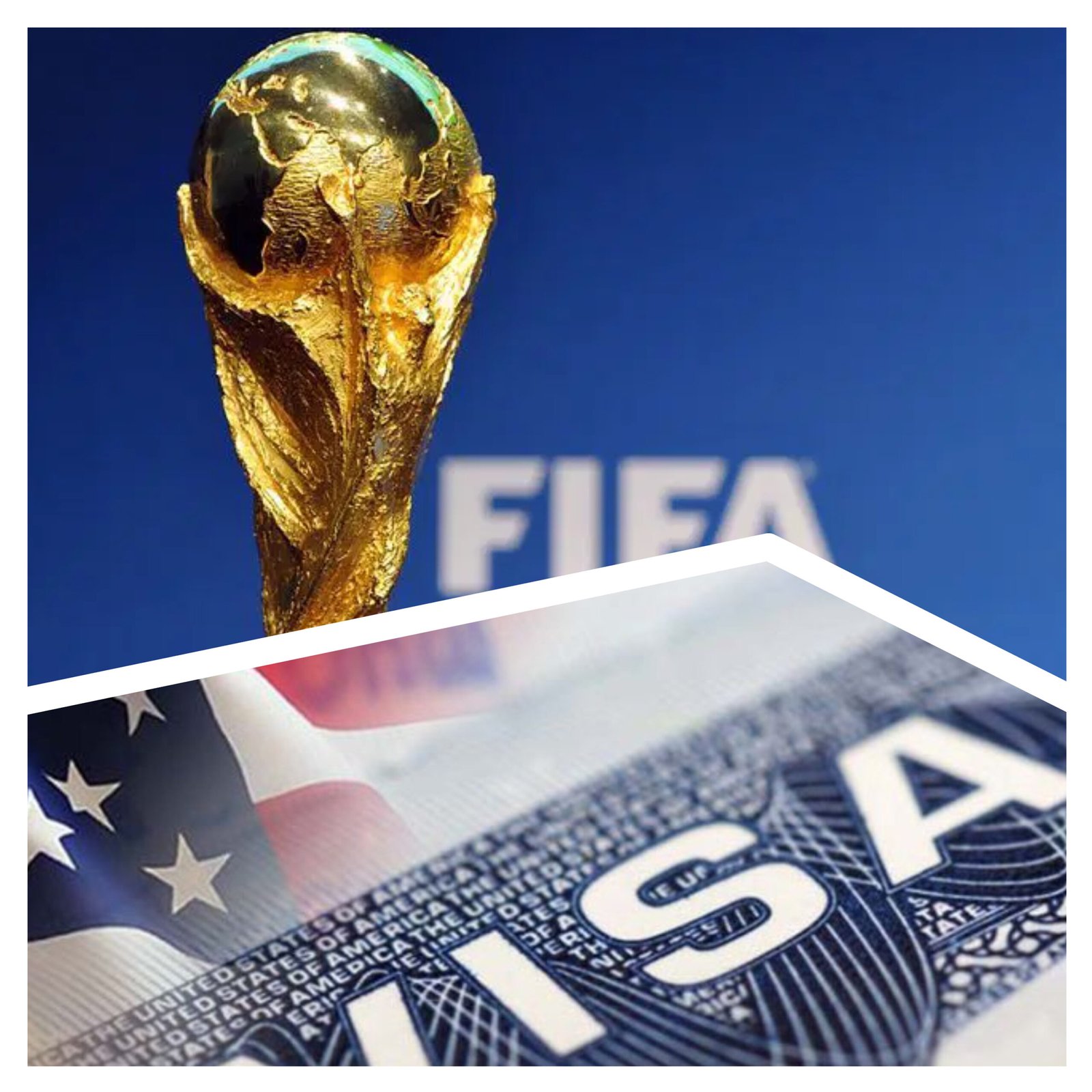
A growing wave of outrage has followed reports that the United States may impose visa-related charges of up to $15,000 on travellers from several African nations ahead of the 2026 FIFA World Cup, raising fears over reduced participation in one of the world’s biggest sporting events.
The development, which surfaced on March 25, 2026, has triggered sharp reactions across Africa, with critics describing the proposed fees as excessive and potentially discriminatory. Observers warn that such costs could become a major barrier for fans, players, and officials hoping to attend matches scheduled across the United States, Canada, and Mexico.
According to emerging reports, travellers from countries including Nigeria, Ghana, Senegal, Kenya, and South Africa could face significantly higher visa processing costs as part of new entry requirements tied to the tournament. Analysts say the proposed charges far exceed standard visa fees and could effectively shut out thousands of passionate supporters.

The backlash has been swift, particularly on social media, where many African football fans argue that the reported policy undermines the inclusive spirit of the World Cup. Sports analysts also warn that limiting African participation could weaken the global atmosphere and cultural diversity that define the tournament.
Read also:
- New US visa policy targets Nigeria, Cameroon, Ethiopia with stricter entry restrictions
- US to require Nigerians to post up to $15,000 visa bond for B1/B2 travel visas
- US places Nigeria on partial travel restriction list over security, Visa overstay concerns
Beyond fan attendance, stakeholders fear the ripple effects could extend to grassroots football development, with smaller delegations and emerging players struggling to meet the financial demands of international travel under such conditions.
Calls are now mounting for intervention from football authorities and diplomatic channels, with many urging urgent clarification from U.S. officials. Observers insist that any policy capable of restricting access for entire regions risks damaging the credibility of the tournament and the broader ideals of global sport.
As pressure builds, the controversy continues to dominate conversations across the football world, with many awaiting an official response that could determine whether African fans will be fully represented on the global stage in 2026.