
In a dramatic escalation of global geopolitical tension, the United States has seized a Russian-flagged oil tanker in the North Atlantic over its alleged involvement in Venezuela’s sanctioned oil trade, triggering a sharp response from Moscow and fuelling fears of a direct military confrontation at sea.
The incident unfolded against the backdrop of President Donald Trump’s renewed hardline push to assert control over Venezuela’s vast oil reserves following the ouster of former president Nicolás Maduro, a move that has intensified rivalry between Washington and Moscow over energy dominance in the Americas.
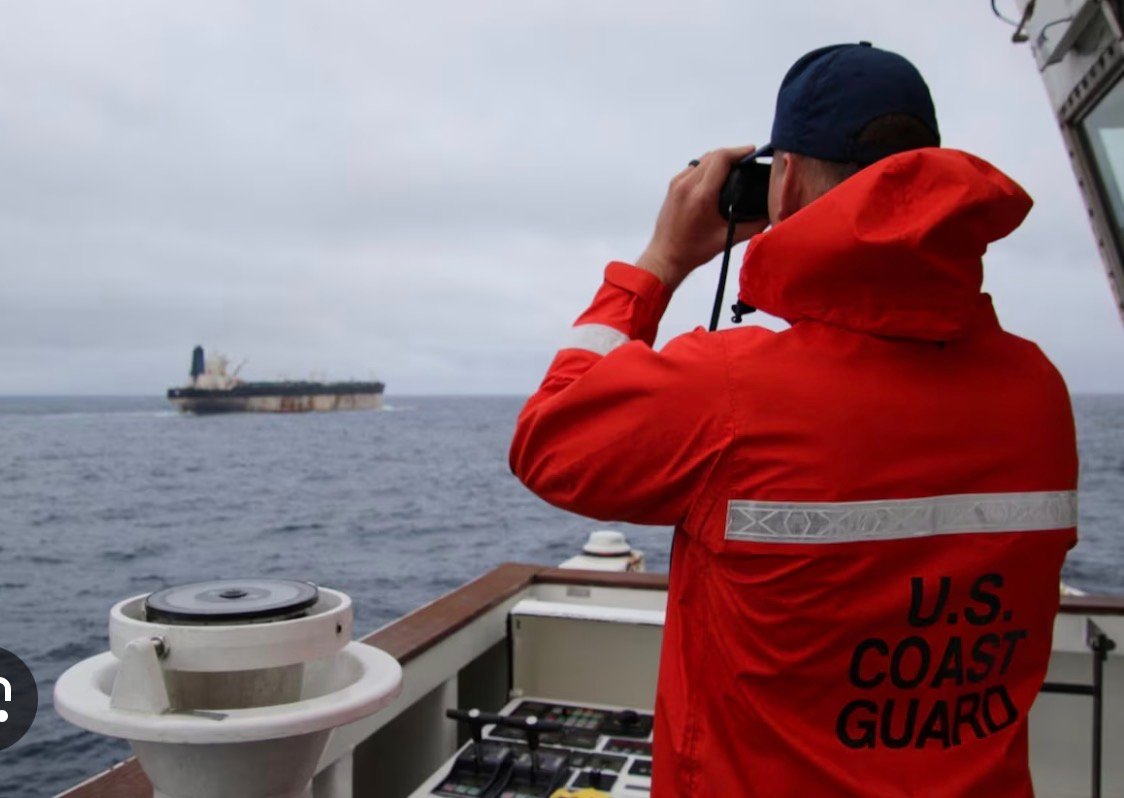
The seizure occurred on January 7, 2026, after a weeks-long pursuit across the Atlantic Ocean. US naval forces, including the Coast Guard and Navy SEALs, boarded and took control of the tanker Marinera, previously known as Bella 1, which authorities said had attempted to evade US sanctions by reflagging under Russian registration.
American officials alleged that the vessel was transporting Venezuelan crude oil in violation of sweeping US sanctions designed to cripple the country’s energy exports. A second tanker was also reportedly seized during the operation, reinforcing Washington’s resolve to enforce what President Trump has described as a “complete blockade” of Venezuelan oil shipments.
Russia’s response added a dangerous edge to the unfolding crisis. Reports indicate that Moscow deployed a submarine and other naval assets to escort the Marinera as it attempted to evade interception, closely shadowing the tanker during the pursuit. The move followed a formal diplomatic request from Russia urging the United States to abandon the operation, signalling the Kremlin’s determination to protect its strategic interests in Venezuela.
The Russian government condemned the seizure, describing it as a violation of international maritime law and accusing Washington of deliberately stoking military and political tension on the high seas. Russian officials warned that such actions could threaten global shipping stability and escalate already fragile international relations.
From Washington, the response has been unapologetic. White House spokesperson Karoline Leavitt said President Trump would not hesitate to continue seizing vessels linked to sanctioned oil trade, even if it risks confrontations with major powers such as Russia or China. Vice President JD Vance dismissed the tanker’s Russian registration as a sham designed solely to bypass sanctions.
US officials say the operation is part of a broader strategy to reshape Venezuela’s oil industry under a new political order aligned with American interests. Secretary of State Marco Rubio has openly outlined plans for US-backed oversight of Venezuela’s energy resources, a stance that has alarmed rival powers with longstanding stakes in the country.
The confrontation is rooted in Venezuela’s recent political upheaval. Following Maduro’s removal in early 2026, the United States intensified efforts to isolate remnants of his government while redirecting oil flows away from Russia, China and Iran. Venezuela holds the world’s largest proven oil reserves, estimated to be worth more than five trillion dollars, making it a central prize in global energy politics.
Russian-linked tankers have played a critical role in what analysts describe as a “shadow fleet,” moving Venezuelan crude to international markets despite sanctions. The latest seizure shows Washington’s determination to dismantle that network.
Analysts warn the incident could open a dangerous new chapter in already strained US-Russia relations, particularly amid the ongoing war in Ukraine. Former US diplomat Kevin Shannon cautioned that the aggressive enforcement approach risks triggering wider confrontations involving not just Russia, but other countries benefiting from sanctioned oil trade.
As of January 10, 2026, no further clashes have been reported, but the standoff remains unresolved. The open-sea face-off has become a stark reminder of how energy politics and sanctions enforcement can push rival superpowers toward direct conflict, leaving the international community anxiously watching for signs of de-escalation.