A United Kingdom-led coalition of 40 nations is taking diplomatic steps to address the escalating crisis in the Strait of Hormuz, a key shipping lane critical for global energy supplies. The move comes as the ongoing conflict involving the United States, Israel, and Iran has disrupted maritime traffic, sending oil prices soaring and raising fears of prolonged energy insecurity.
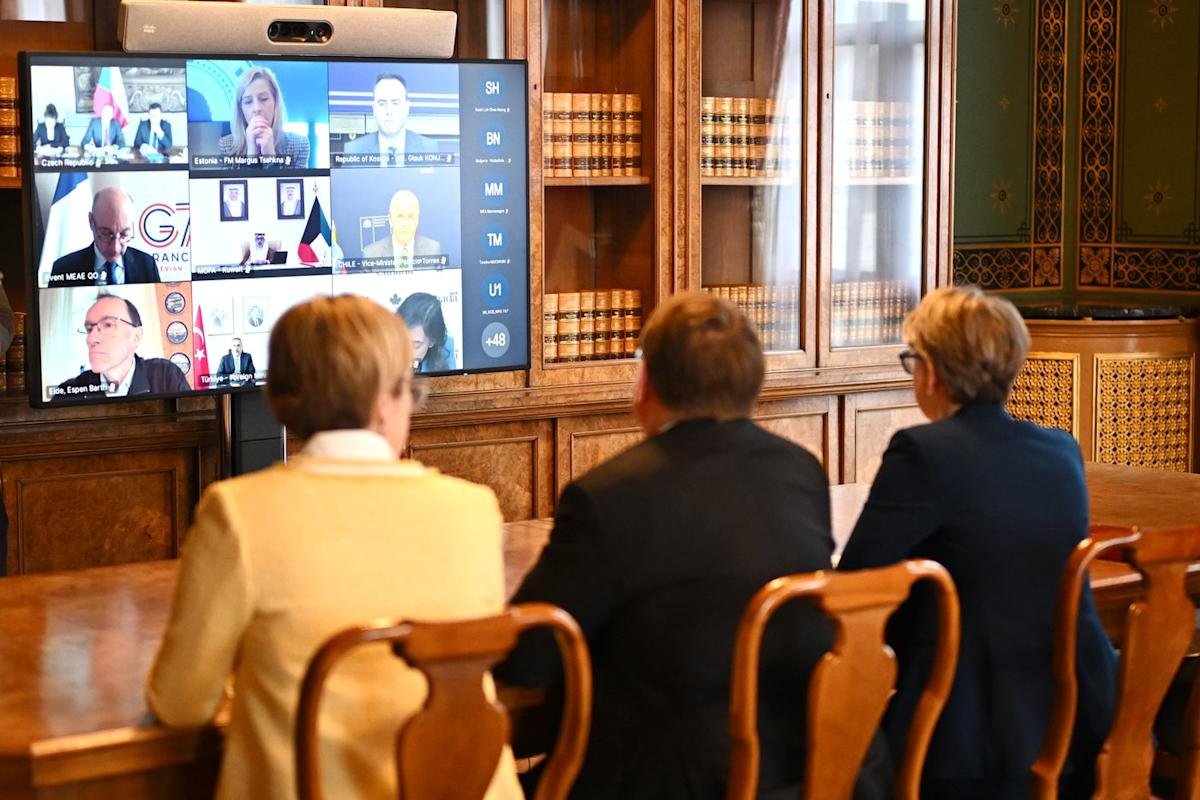
British Prime Minister Keir Starmer announced that foreign ministers from coalition countries will meet virtually to explore coordinated political and diplomatic solutions for restoring safe passage through the strait. The meeting, chaired by UK Foreign Secretary Yvette Cooper, aims to outline collective measures to ease the blockade.
The Strait of Hormuz, a strategic route for nearly a fifth of the world’s oil supply, has seen shipping nearly grind to a halt following retaliatory actions by Iran against commercial vessels. The disruption followed joint US-Israeli strikes on Iranian targets, heightening global tensions and energy supply concerns.

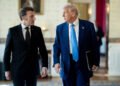
The United States notably remains absent from the summit, after President Donald Trump stated that securing the strait is not Washington’s responsibility. Trump has criticized European allies and warned he may reassess US commitments to NATO.
Participating nations—including “,”France”,”Europe”], entity[“country”,”Germany”,”Europe”], entity[“country”,”Italy”,”Europe”], entity[“country”,”Canada”,”North America”], entity[“country”,”Japan”,”Asia”], “,”United Arab Emirates”,”Middle East”], and Nigeria—have jointly called on Iran to halt disruptive actions and pledged support for safe maritime navigation.
Read also:
- Trump tells the UK, other nations to get their oil from Strait of Hormuz
- Global internet on red alert as cables found undersea at Strait of Hormuz
- Iran threatens to close Strait of Hormuz as Trump issues 48-hour ultimatum
Coalition leaders have emphasized that military intervention is not on the agenda. Starmer reiterated that diplomacy remains the priority, a view echoed by French President Emmanuel Macron, who warned that any attempt to forcefully reopen the strait would risk severe losses due to Iran’s advanced missile and naval capabilities. Macron advocated direct negotiations with Tehran as the safest path to de-escalation.
Since the escalation in late February, at least 23 commercial vessels have been attacked in the Gulf, causing casualties and further destabilizing trade. While Iran has allowed non-hostile vessels limited passage, uncertainty has kept most shipping operations at bay.
Coalition’s diplomatic push could have significant implications for global energy markets, maritime security, and the balance of international responsibilities in a volatile region. Technical and military-level talks are expected to follow, focusing on long-term strategies to secure the waterway.