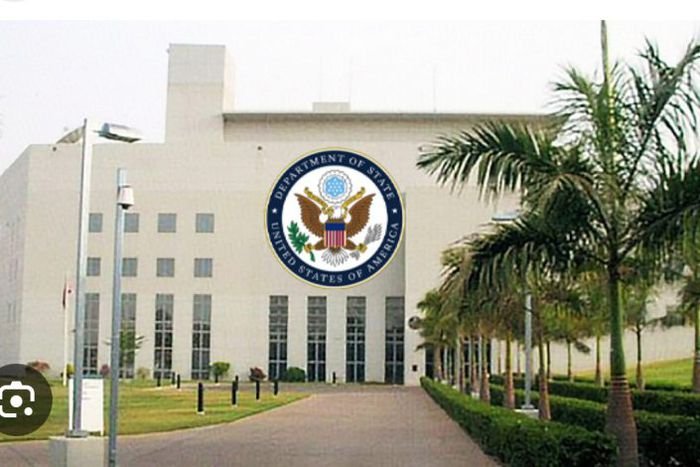
The U.S. Department of State has updated its travel advisory for Nigeria, authorising the departure of non-emergency government staff and eligible family members from the U.S. Embassy in Abuja over worsening security concerns.

In the updated notice released on Wednesday, Nigeria remains under a Level 3 advisory “Reconsider Travel” but with a significantly expanded list of high-risk areas classified under “Do Not Travel.”
Newly added states include Plateau, Jigawa, Kwara, Niger and Taraba, joining previously listed regions such as Borno, Yobe, Kogi, and parts of Adamawa, as well as several states in the North-West and South-East.
The State Department said the overall advisory level remains unchanged, but the update reflects growing concerns about security threats and adjustments to embassy operations.
According to the advisory, Nigeria continues to face serious challenges, including violent crime, terrorism, civil unrest, kidnapping, and limited access to healthcare services in some areas.
Officials warned that crimes such as armed robbery, carjacking, assault, and rape are common, while kidnapping for ransom and roadside banditry remain widespread.
The report noted that foreign nationals, particularly Americans, are often targeted due to perceptions of wealth.
The advisory also highlighted the risk of terrorist attacks, which could occur without warning in public spaces such as markets, shopping centres, hotels, places of worship, schools, transportation hubs, and government buildings.
The decision to allow non-essential personnel to leave the embassy in Abuja underscores the seriousness of the situation.
In a public statement, the U.S. Embassy confirmed the move, citing the “deteriorating security environment” across the country.
Read also:
- Trump accuses CNN, Nigeria-based website of spreading false Iran report as global tension escalates
- Inside ECOWAS Arms Control: Former Small Arms Chief, Joseph Ahoba speaks on achievements, challenges, regional security legacy
- Iran accuses U.S. of ceasefire violation as tensions rise over Strait of Hormuz
American citizens in Nigeria have been urged to take precautionary measures, including enrolling in the Smart Traveller Enrollment Program (STEP), maintaining a low profile, avoiding large gatherings and demonstrations, and reviewing personal security and evacuation plans.
They were also advised to stay alert in public places, monitor local media, and establish emergency communication protocols with family members.
As Africa’s most populous nation and a key economic hub, instability in Nigeria carries significant regional and global implications. The latest advisory signals heightened concern from U.S. authorities and suggest that conditions may continue to evolve.
The State Department said it will keep monitoring the situation and may update its guidance further depending on security developments and operational changes at the embassy.