The government of Senegal has imposed a ban on non-essential international travel by top officials, as surging global oil prices strain the nation’s economy.
Prime Minister Ousmane Sonko announced the measure during a public address in Mbour, describing the current economic outlook as challenging and requiring urgent fiscal discipline.

According to Sonko, the restriction is part of a broader strategy to cut government spending and manage the financial impact of rising energy costs.
He emphasized that ministers will only be permitted to travel abroad for critical state assignments.
“To reduce pressure on public finances, we are cancelling all non-essential foreign trips,” he said. “Only missions of absolute importance will be approved.”
In a show of commitment, the Prime Minister disclosed that he had personally cancelled scheduled visits to France, Spain, and Niger.
Read also:
- Firm advises African businesses, investors to leverage public attitude data for growth
- Former Iran President Hassan Rouhani urges urgent governance reforms, strategic end to ongoing conflict
- Nigeria’s oil output climds to 1.84m barrels per day, says NUPRC
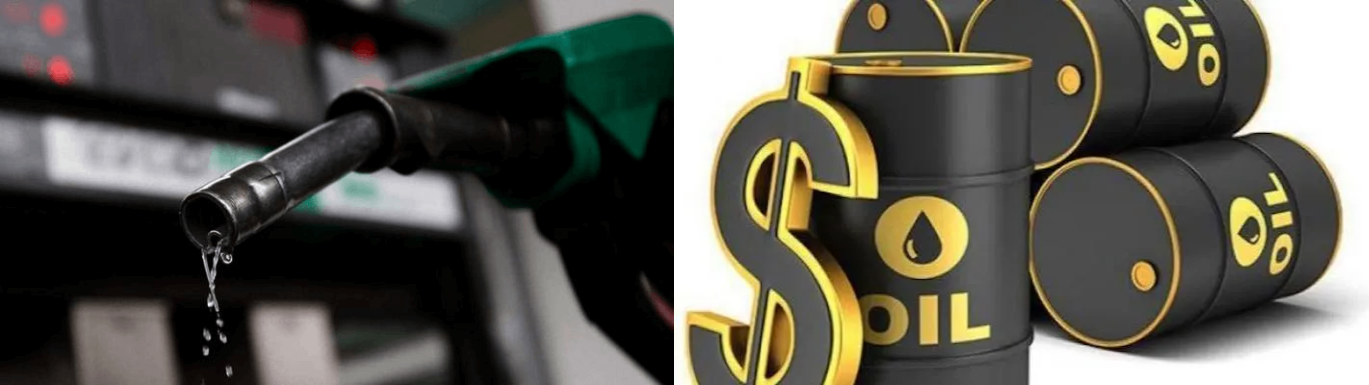
The policy shift follows a sharp rise in global crude prices, now hovering around $115 per barrel far above the $62 benchmark used in Senegal’s national budget.
The country’s reliance on imported petroleum has left it exposed to external shocks.
The situation has been compounded by disruptions in global energy supply, particularly linked to the Strait of Hormuz, a vital corridor for global oil transport.
Despite the tough measures, Sonko reassured citizens especially young people that the government is taking proactive steps to stabilize the economy.
“My intention is not to alarm you,” he said, “but to help you understand the realities of an increasingly difficult global environment.”
He added that additional cost-cutting initiatives will be unveiled soon as authorities work to navigate the economic pressures.