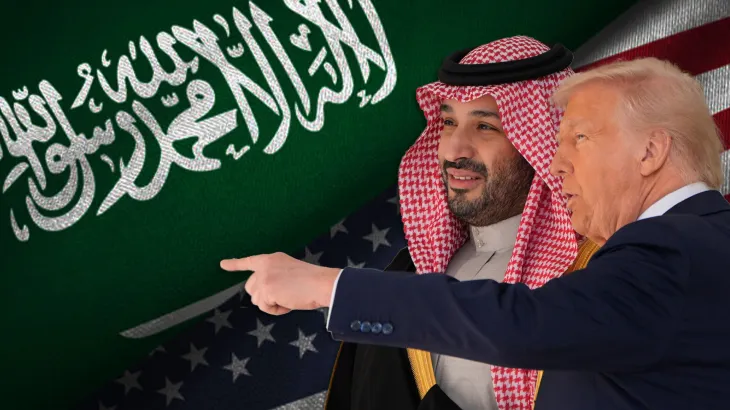
A major diplomatic push is underway in the Middle East as Saudi Arabia on Thursday convenes an urgent meeting of Arab and Islamic leaders in a bid to contain the rapidly escalating conflict involving Iran.
The high-level gathering, taking place in Riyadh, brings together foreign ministers and representatives from key regional powers including Qatar, Turkey, United Arab Emirates, Egypt, and Pakistan.
The meeting is aimed at coordinating a unified response as the conflict threatens to spiral into a broader regional war.

The emergency summit comes against the backdrop of intensifying hostilities that have now spread beyond direct confrontations.
Recent strikes on critical energy infrastructure including gas fields and oil facilities have heightened fears of a full-scale regional crisis.
Iran has reportedly launched retaliatory attacks on Gulf energy targets following earlier strikes linked to Israel, triggering fires, shutdowns, and widespread disruption to oil and gas production across the region.
At the same time, Gulf nations including Saudi Arabia have accused Iran of direct or indirect involvement in attacks on their territory, warning that continued aggression could lead to military retaliation.
The crisis is already sending shockwaves through global markets. Oil prices have surged sharply as supply routes and production facilities face mounting threats, with some exports disrupted and key shipping lanes under pressure.
The strategic importance of the Gulf region home to some of the world’s largest oil and gas reserves means that any prolonged instability could trigger far-reaching economic consequences, affecting everything from fuel prices to global trade flows.
Saudi Arabia’s move to convene the emergency summit reflects growing urgency among regional powers to prevent further escalation.
Diplomats say the goal is to strengthen coordination, explore de-escalation pathways, and avoid a conflict that could engulf multiple nations.
Read also:
- Trump considers deploying thousands of U.S. Troops to Middle East as tensions with Iran escalate
- Israel says it has killed Iran’s intelligence minister in an overnight strike
- Israel strikes central Beirut as US targets Iran’s missile sites along the Strait of Hormuz
Despite the tensions, some countries including Turkey are expected to push for renewed dialogue and negotiated solutions, warning that continued military escalation risks plunging the region into prolonged instability.
With missile attacks, retaliatory strikes, and rising rhetoric on all sides, the Middle East now faces one of its most dangerous moments in recent years.
Analysts warn that without swift diplomatic intervention, the conflict could evolve into a wider war involving multiple state actors.
As leaders gather in Riyadh, the stakes could not be higher not just for the region, but for global security and economic stability.