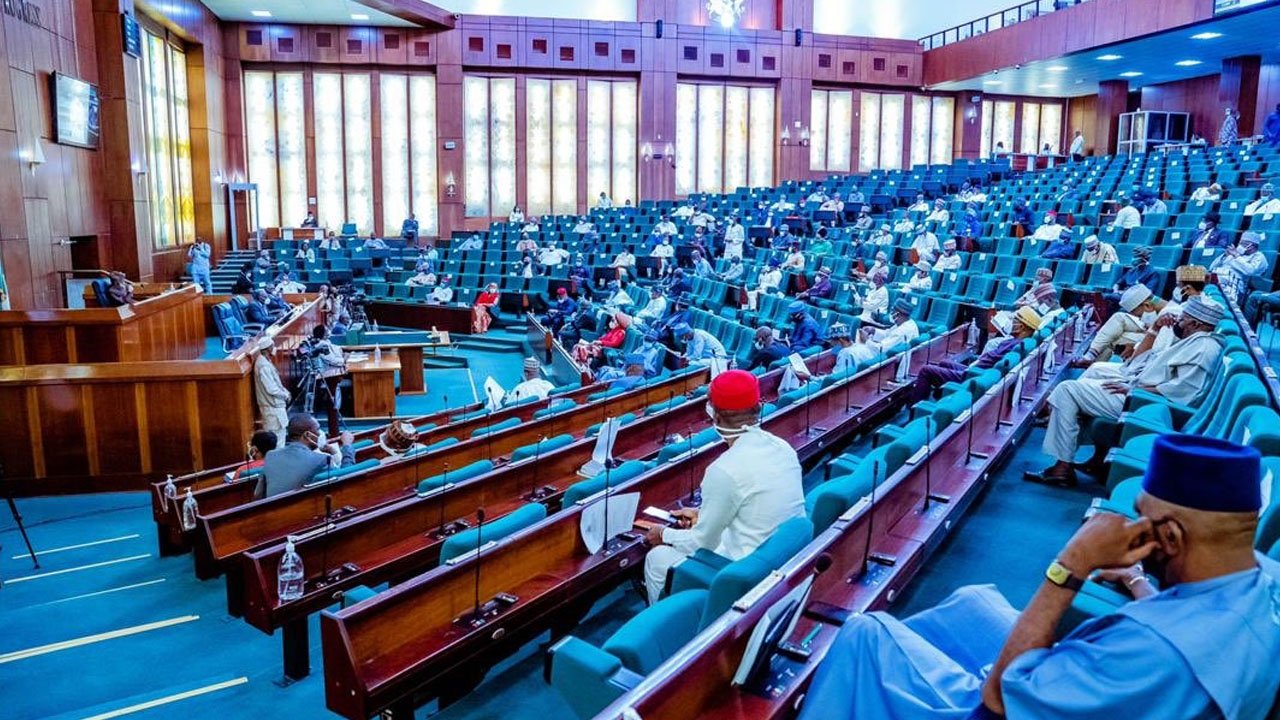
The House of Representatives on Wednesday moved to tackle rising economic distress, human rights violations and a brewing constitutional controversy as lawmakers considered three Matters of Urgent Public Importance at plenary.
A major resolution of the day was the House’s call on the Federal Government, the Central Bank of Nigeria and NIRSAL Microfinance Bank to halt all deductions on COVID-19 intervention loans and grant a full waiver for vulnerable Nigerians unable to repay. Lawmakers said thousands of poor households and micro-enterprises were being pushed deeper into hardship by aggressive loan recovery measures despite the prevailing economic realities.
In another development, the chamber condemned the reported killing of eight unarmed women protesters—among them a minor—by soldiers in Lamurde Local Government Area of Adamawa State. The House directed its Committees on Human Rights, Defence and Internal Security to embark on an immediate fact-finding mission and report back with details that could guide further legislative action.

Read also:
- GPF condemns killing of 8 female protesters in Adamawa by soldiers
- 43-year-old man arrested for killing court clerk in Adamawa
- 45 years old man nabbed for sodomy in Adamawa
The lawmakers also waded into a brewing dispute over the controversial Toru-Be State creation proposal. The plan, which affects parts of Edo State including Ovia and Ikpoba-Okha LGAs—areas considered integral to the Benin Kingdom—has sparked concerns about boundary distortion and possible ethnic tension.
To forestall conflict, the House mandated relevant committees to investigate the proposal, uphold existing state boundaries and ensure that any future state-creation process is transparent, fair and grounded in broad public consultation.
The resolutions formed part of the House’s efforts to prevent unrest, protect citizens’ rights and cushion economic pressure on struggling Nigerians.