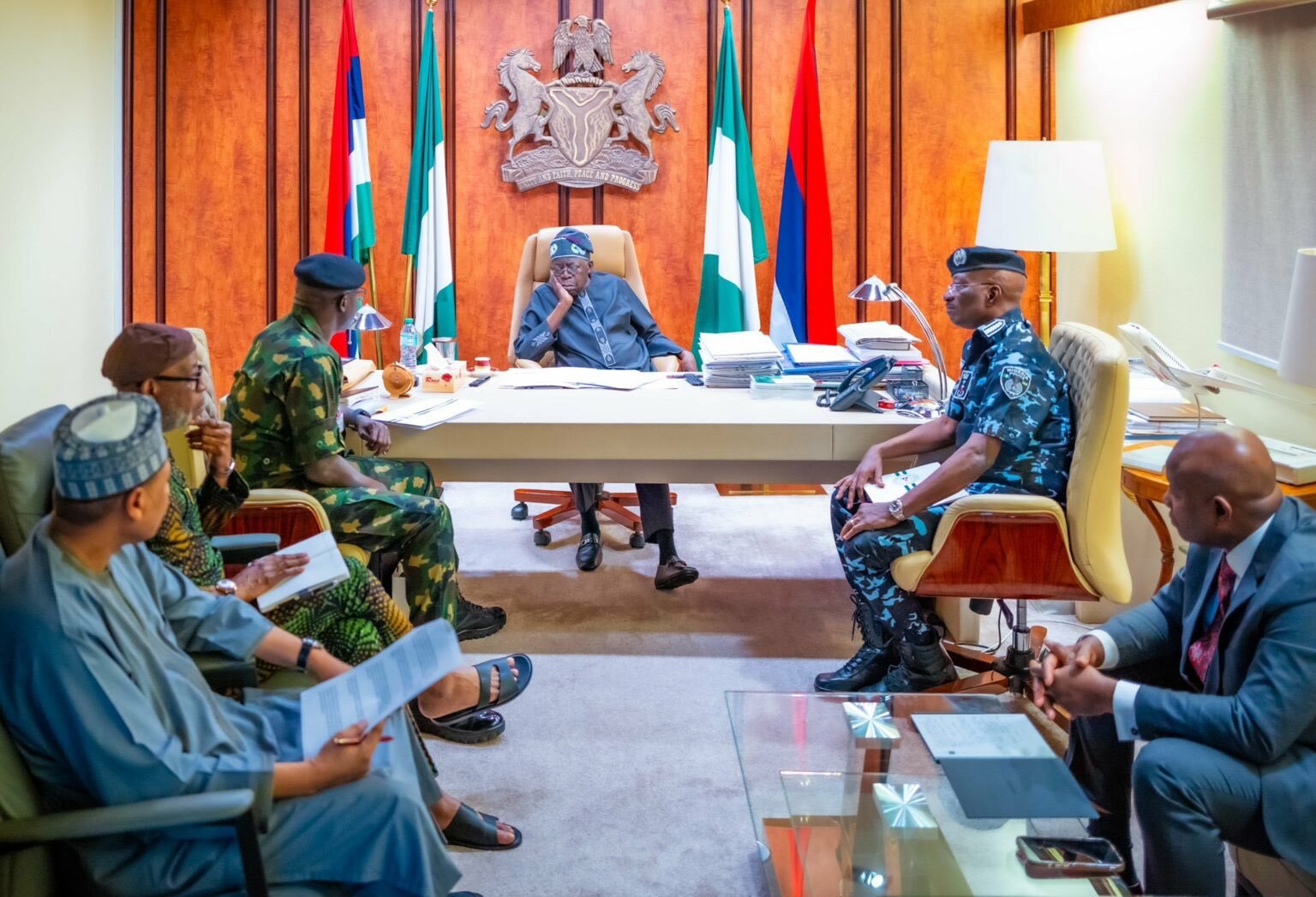
The directive to withdraw police escorts from VIPs has arrived at a moment when public confidence in national security is stretched thin. The order, issued by President Bola Ahmed Tinubu, has stirred a wave of discussion because it touches on a problem that has lingered for years. Many citizens see it as a decisive move, yet they also understand how deep the cracks in the security structure have become.
For a long time, the country’s policing system has been shaped by the practice of assigning officers to protect individuals in high office. Senators, members of the House of Representatives, governors, and senior officials at the state level have all enjoyed layers of armed protection. As this system grew, the imbalance became obvious. Fewer officers were left for routine patrols and community policing, which are the foundation of any functioning security network. The hollowing out of frontline policing created room for bandits, kidnappers, and terrorist groups to expand their reach.
In several communities, police stations operate with noticeably small staff. Residents already living under pressure from criminal elements often find themselves without any meaningful security presence. Attacks on villages and highways occur with little warning and almost no immediate response. The absence of deterrence emboldens criminals, who have learned that the chance of encountering a trained officer during an operation is slim.

This is the background against which the new directive must be viewed. Yet many Nigerians are asking whether recalling VIP escorts will translate into active policing on the ground. Several comments on social media reflect both optimism and caution. One Facebook user, Adekunle, noted that nearly twelve thousand officers had been dedicated to VIP protection alone, adding that the habit of officers running errands for privileged individuals had reached embarrassing levels. Another user, Otumba Kosemani, applauded the President and lamented how long the system had been allowed to weaken national safety.
Others expressed doubt. Paul Ikpeme questioned whether the order would endure, arguing that once public attention shifts, officers may quietly drift back to old assignments. His concern reflects a broader anxiety about discipline within the force and the need for internal reforms. Some contributors also pointed to the persistence of extortion on highways, arguing that meaningful change requires stronger training and better oversight from the Federal Government.
Read also:
- IGP announces withdrawal of 11,566 police officers assigned to VIPs
- Police launch manhunt for Onicha-Olona chief, armed gang over killing of 3 persons
- Police detain 2 officers for shooting at a vehicle in Adamawa
The Inspector-General of Police, Olukayode Egbetokun, addressed these concerns during a meeting with senior officers in Abuja. He confirmed that 11,566 personnel had been withdrawn from VIP duties and stated that the President’s order removed any grounds for resistance. According to him, no VIP is in a position to oppose the recall. He urged officers to maintain professionalism as they rejoin active duty and reminded them that policing requires constant vigilance, especially in a period marked by unpredictable threats.
The broader security plan extends beyond the recall. On Wednesday, the President declared a state of emergency on national security and announced that an additional thirty thousand police and military personnel would be recruited. This expansion is expected to raise the overall strength of the police force to fifty thousand new positions, including the earlier recruitment target of twenty thousand. The intention is to rebuild the institution and expand its presence where it is most needed.
These measures have given many Nigerians a sense that long-delayed reforms are taking shape. Even so, the severity of recent attacks serves as a reminder that the country’s security architecture must evolve faster than the threats it faces. The withdrawal order marks a turning point, but the journey toward a safer Nigeria remains demanding and far from complete.