Nigeria’s downstream petroleum sector faces the risk of fresh instability as energy analysts warn that global crude oil prices could climb to $130 per barrel if tensions between the United States and Iran worsen, tightening oil supply and pushing fuel prices higher.
The rising geopolitical tension has already unsettled the international oil market. Crude prices have climbed above $100 per barrel from about $85, triggering a steep increase in the price of Premium Motor Spirit, commonly known as petrol, which now sells for more than N1,000 per litre in several parts of Nigeria.

Industry experts who spoke on the development warned that the conflict could persist, keeping pressure on global supply chains and forcing crude prices upward for an extended period.
The Chief Executive Officer of Petroleum.ng, Olajide Jeremiah, said the standoff between both countries shows no immediate sign of easing. According to him, the two nations remain influential players in the global oil market and their confrontation has already begun to affect supply operations.
“We do not see the war ending soon. The two major parties are still talking tough, and they are major players in the global oil business. The escalation of the conflict into areas where oil and gas facilities operate means that production activities are already being affected,” Jeremiah said.
A similar concern was expressed by the National President of the Oil and Gas Services Providers Association of Nigeria, Colman Obasi. He said the industry expects the conflict to persist, warning that prolonged uncertainty in the Middle East will continue to fuel speculation in the global energy market.
Read also:
- Trump issues fresh warning, vows to hit Iran “very hard”
- Presidential council seeks stronger public-private collaboration to attract investment into Nigeria
- Drone strike near Dubai International Airport raises Middle East tensions as Iran’s President apologises to Gulf Nations
“At OGSPAN, we do not think the war will end soon. There is currently no indication of that. A prolonged conflict will continue to drive speculation and push oil prices higher,” Obasi said.
Global financial analysts are also raising alarm over the possible consequences for the oil market. JPMorgan Chase has projected that Brent crude could rise to $120 per barrel if a full-scale conflict in the Middle East disrupts oil flows through the strategic Strait of Hormuz, a critical shipping route for global energy supplies.
In Nigeria, the immediate effect is already being felt in petrol prices. After rising sharply to about N1,100 per litre on Friday, the product has slightly stabilised, selling at around N1,040 per litre in Lagos and about N1,080 per litre in Abuja.
The latest price adjustment followed an increase in the ex-gantry price of petrol by the Dangote Refinery, which raised its price to N995 per litre.
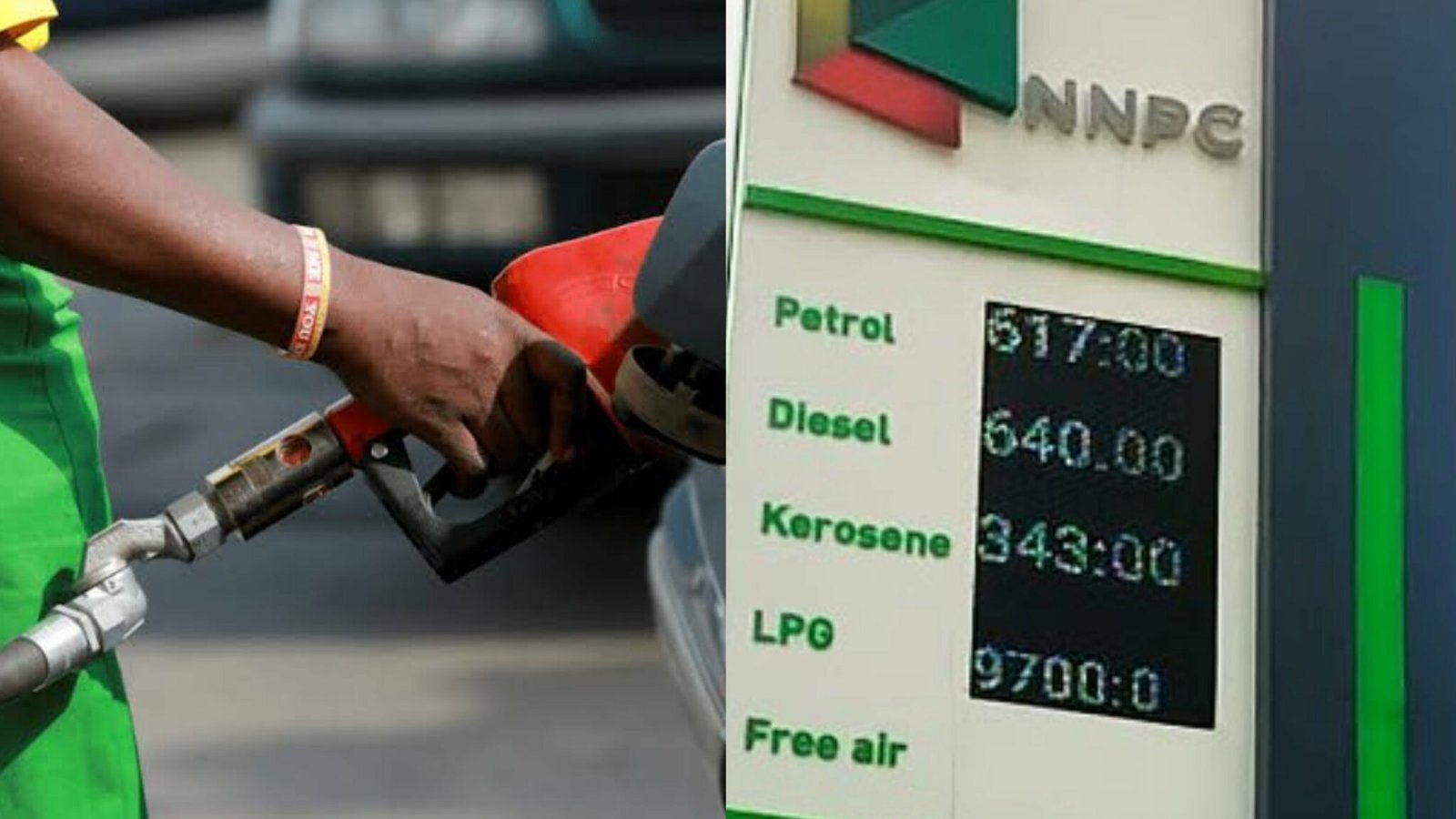
Market checks showed that retail stations operated by the Nigerian National Petroleum Company Limited sold petrol at about N1,040 per litre, up from the previous price of N993 per litre.
Independent marketers have also adjusted their pump prices. Stations operated by Emadeb Energy and PM Petroleum sold petrol for about N1,040 per litre, while in Abuja, Gegu Oil Nigeria dispensed the product at around N1,050 per litre. At Empire Energy stations in the capital, petrol sold for about N1,080 per litre.
Energy analysts warn that if crude prices continue their upward trend, Nigerians may face further increases in fuel costs in the coming weeks, placing additional pressure on households and businesses already grappling with high living costs.