


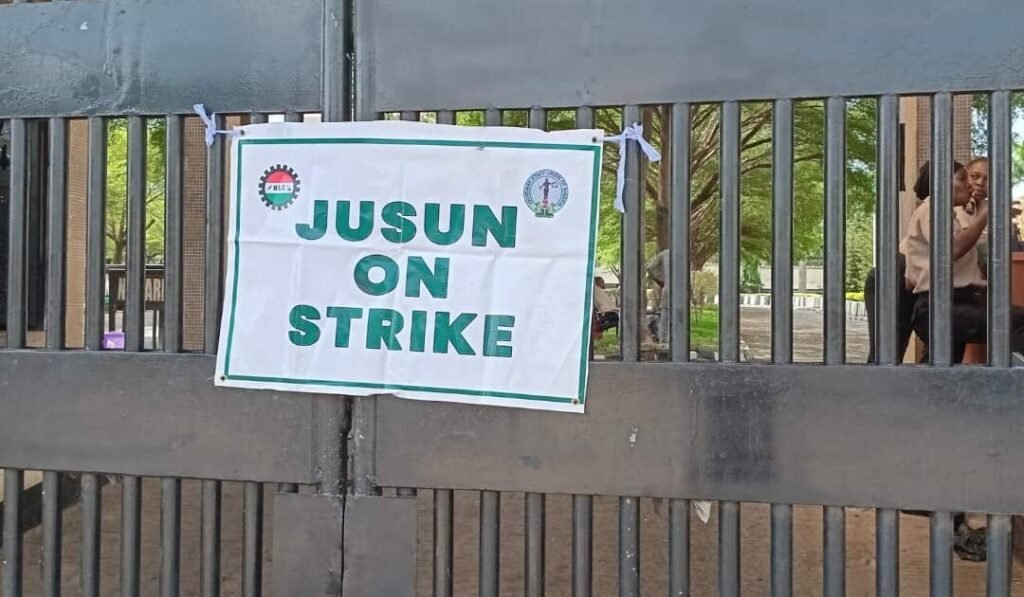
The Judiciary Staff Union of Nigeria (JUSUN), Osun State chapter, has declared a three-day warning strike over what it described as lingering neglect of staff entitlements by the state government.
In a statement released on Wednesday in Osogbo, the union’s chairman, Mr. Idirs Adeniran, said the strike was necessitated by the prolonged non-payment of imprest, outstanding 2015 statutory allowances, unattended promotions, and unpaid entitlements for 2024 and 2025.

JUSUN warned that failure by the Judiciary Service Commission (JSC) to address the grievances could force workers back into an indefinite strike, which was earlier suspended in June. The union stressed that industrial harmony within the judiciary is critical to sustaining productivity and protecting the integrity of the justice system in Osun State.
“The resumption of our suspended strike may be the only option left to push for meaningful dialogue, since the state government has failed to implement the memorandum of agreement already signed,” the statement read.
JUSUN appealed to stakeholders, including the judiciary leadership and government authorities, to intervene swiftly, noting that the judiciary as the “last hope of the common man” cannot function effectively without motivated staff and proper funding.
Read Also:
- JUSUN commends Gov. Okpebholo for payment of withheld salaries
- JUSUN wage dispute strike enters its second day
- Osun launches Imole free Wi-Fi
The union’s demands include immediate payment of outstanding allowances, implementation of pending promotions, sponsorship of staff training, and provision of official and utility vehicles for effective service delivery.
JUSUN also reiterated its call for the implementation of the N70,000 new minimum wage with arrears, a 25 to 35 percent salary increase, and the settlement of five months’ wage awards.
The strike threat comes barely three months after JUSUN suspended its earlier industrial action on June 4, following extensive meetings with the Chief Justice of Nigeria, Justice Kudirat Kekere-Ekun, and other key stakeholders.
.


