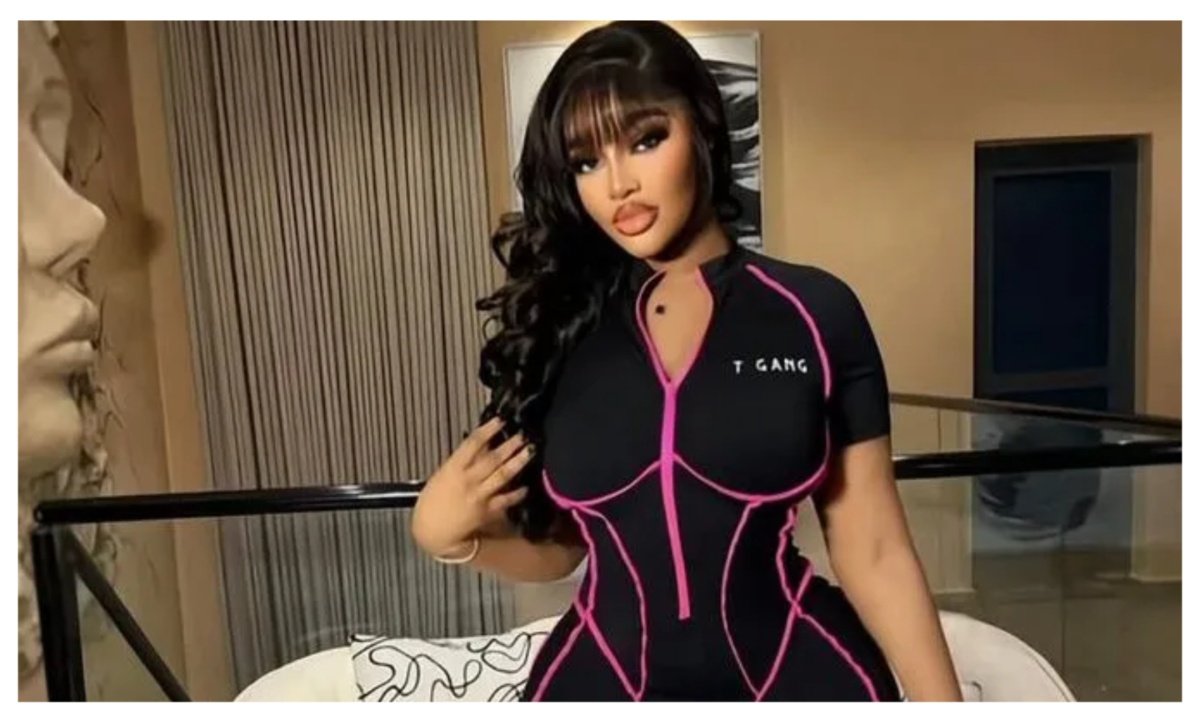
The tragic death of Elena Jessica has once again exposed a troubling reality in Nigeria: the growing obsession with cosmetic surgery, particularly the Brazilian Butt Lift (BBL).
What began as a personal decision by a young socialite has now become a national conversation about beauty standards, medical regulation, and the influence of social media.

Elena reportedly died after complications from a second BBL procedure carried out at Cynosure Aesthetic Plastic Surgery Clinic in Lagos.
The surgery, intended to enhance her figure, instead led to severe complications including infection, intense pain, and ultimately her death.
Her story took an even more disturbing turn when a video of her in agony during wound treatment surfaced online. In the viral clip, Elena could be heard crying and pleading while medical staff dressed her surgical wounds.
The footage shocked Nigerians and turned her personal tragedy into a public outcry.
But Elena’s death is not just about one surgery gone wrong. It reflects a larger cultural shift driven by social media and celebrity influence.
Over the past decade, the “perfect body” promoted online has changed dramatically. The slim figure once celebrated has been replaced by the exaggerated hourglass shape,tiny waist, wide hips, and large buttocks.
Influencers, celebrities, and reality stars often showcase these bodies on Instagram and TikTok, rarely disclosing the surgeries behind them.
For many young women, especially those seeking validation or social media fame, cosmetic surgery appears to be a shortcut to achieving that look.
Unfortunately, the risks are rarely discussed.
Medical experts worldwide warn that the Brazilian Butt Lift is among the most dangerous cosmetic surgeries. The procedure involves transferring fat from other parts of the body into the buttocks.
If fat accidentally enters the bloodstream, it can cause a fatal fat embolism, blocking blood vessels and leading to sudden death. Infections, blood loss, and organ complications are also common risks.
In countries with strong medical regulations, strict safety guidelines exist to reduce these dangers.
Read also:
- Bodies submerged in rubble as four storey building collapsed in Uyo
- Medical doctor crowned Gov Diri National Scrabble Champion
- Google boss warns ‘no company is going to be immune’ if AI bubble bursts
But in Nigeria, the cosmetic surgery industry is expanding faster than the regulatory framework meant to oversee it.
Private clinics advertising BBLs, liposuction, and body sculpting procedures are appearing across major cities. Some offer discounted packages and aggressive social media marketing that target young women.
The concern among many Nigerians is whether all these facilities have the necessary expertise, equipment, and safety standards required for such high-risk surgeries.
Elena Jessica’s case has therefore raised difficult but necessary questions.
Who is regulating cosmetic surgery clinics in Nigeria?
Are patients fully informed about the risks before undergoing these procedures?
And why has society created so much pressure for women to alter their bodies in the first place?
For many observers, the real tragedy is that Elena was reportedly already beautiful before deciding to undergo another surgery. Yet the pressure to achieve an even more “perfect” body may have pushed her to take the risk.
Her death should serve as a wake-up call.
Nigeria needs stronger regulation of cosmetic surgery practices, better medical oversight, and greater public awareness of the dangers involved. At the same time, society must begin to challenge the unrealistic beauty standards promoted online.
Because if nothing changes, Elena Jessica’s story may not be the last tragedy linked to the BBL trend in Nigeria.