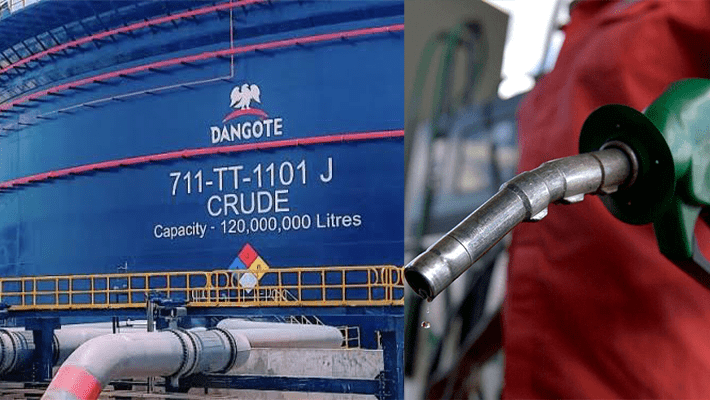
Nigeria’s economy is showing renewed strength, with official data revealing a sharp 34 percent surge in petrol consumption, a development widely seen as a signal of expanding economic activity following sweeping reforms.
Figures released by the Nigerian Midstream and Downstream Petroleum Regulatory Authority show that average daily consumption of Premium Motor Spirit rose to 63.7 million litres in December 2025, up from 47.5 million litres recorded in October 2024. The increase marks a decisive rebound after demand dipped in the wake of the 2023 fuel subsidy removal, which had previously distorted consumption patterns through cross border smuggling and inefficiencies.

The recovery in fuel demand comes amid broader signs of macroeconomic stabilisation under President Bola Tinubu’s reform programme. The removal of petrol subsidies and the unification of exchange rates initially triggered economic strain, with inflation climbing above 34 percent in late 2024 and placing pressure on household incomes.
However, inflation has since eased to between 14 and 21 percent by late 2025, influenced partly by statistical rebasing and tighter monetary policies. Projections for 2026 from economic analysts, including the Nigerian Economic Summit Group, suggest inflation could decline further toward the mid teens or even single digit territory if current trends hold.
Foreign reserves have strengthened, while non oil tax revenues reportedly expanded by about 35 percent in 2025, easing fiscal pressures. Oil production has also improved, supporting government revenues and boosting confidence in Nigeria’s economic outlook.
Economists note that rising petrol consumption often mirrors growth in transportation, manufacturing output, trade and consumer spending. In Nigeria’s case, the increase suggests revived commercial activity across key sectors of Africa’s largest economy.
The Dangote Refinery has emerged as a central driver of the shift. Domestic refining capacity expanded significantly in 2025, with output reaching about 32 million litres per day in December and reducing dependence on imported fuel. Increased local supply has helped stabilise availability and moderate pump prices, which averaged around N878 per litre in late 2025.
Read also:
International institutions have responded with cautious optimism. The International Monetary Fund and the World Bank project Nigeria’s gross domestic product growth at between 4.1 and 4.4 percent in 2026, while some domestic forecasts place growth as high as 5.5 percent, supported by resilient consumer demand, expansion in services such as ICT and finance, and improved crude oil output.
Despite the encouraging indicators, structural challenges remain. Analysts warn that higher fuel consumption alone does not guarantee inclusive growth. Transport costs are still elevated, poverty levels remain high, and there are concerns that rising demand could revive smuggling pressures if price differentials widen across borders. There is also a growing debate about balancing energy driven growth with environmental sustainability.
The Federal Government has reiterated its commitment to targeted social interventions, infrastructure spending and diversification of the non oil sector to ensure that macroeconomic gains translate into broad based prosperity.
For now, the 34 percent rise in petrol consumption stands as one of the clearest indicators that Nigeria’s post subsidy economy is regaining momentum, with fuel demand reflecting renewed business activity and consumer confidence.