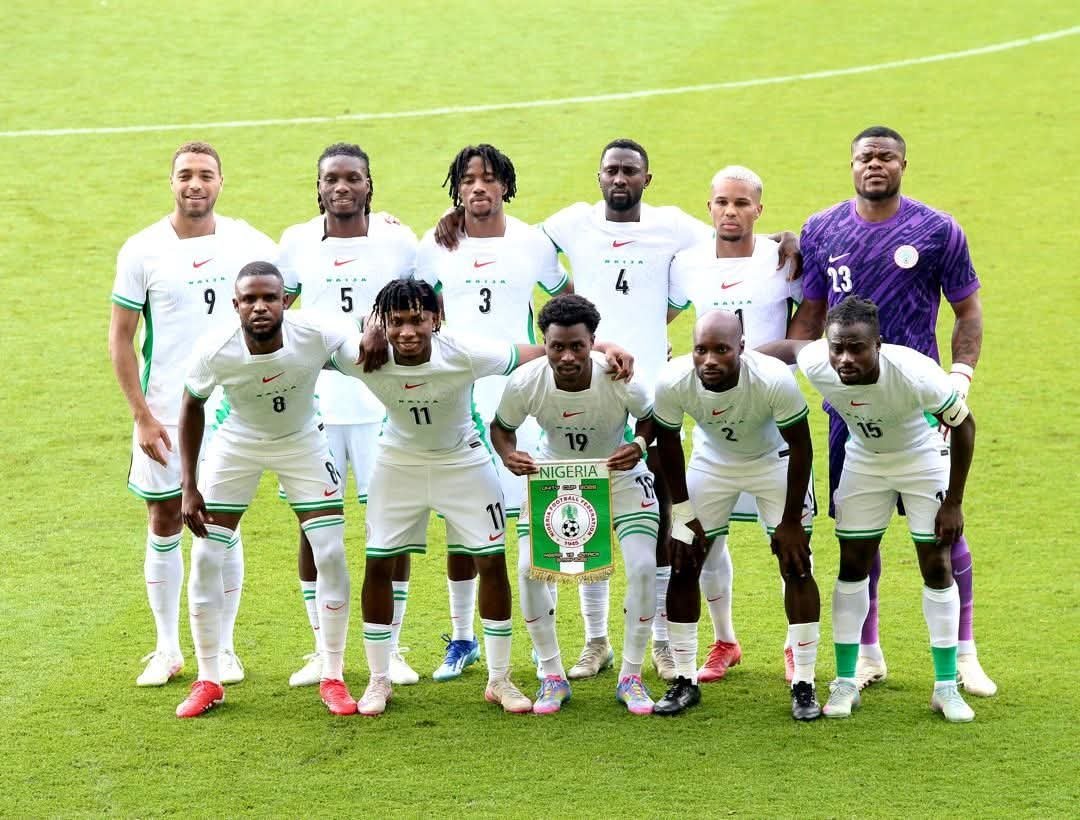
Nigeria’s hopes of lifting the Africa Cup of Nations trophy in 2025 remain alive despite the painful failure to qualify for the 2026 FIFA World Cup following a decisive defeat to the Democratic Republic of Congo. While the World Cup setback has shaken confidence at home, the Super Eagles’ position in Africa’s premier football competition is still viewed by many as an opportunity for redemption.
Nigeria’s rich history at the Africa Cup of Nations continues to shape expectations. The country’s first continental triumph came in 1980 when the then Green Eagles defeated Algeria 3–0 in the final at the National Stadium in Lagos. Goals from Segun Odegbami, who scored twice, and Muda Lawal delivered Nigeria’s maiden AFCON title and announced the arrival of the “Giants of Africa” on the continental stage.

The second AFCON crown followed in 1994 in Tunisia, a golden era for Nigerian football that saw the team dominate Africa and make a strong impression globally. Nearly two decades later, Nigeria returned to the summit in 2013, defeating Burkina Faso 1–0 in the final held on February 10 at Johannesburg’s FNB Stadium.
That final was staged at one of Africa’s most iconic venues, which had previously hosted the 1996 AFCON final and the 2010 FIFA World Cup final. The tournament, organised by the Confederation of African Football, concluded with Nigeria once again claiming the continent’s most coveted prize after a disciplined and determined campaign.
Since that 2013 success, however, the Super Eagles have struggled to translate promise into silverware at AFCON. Near misses, early exits, and inconsistent performances have raised questions about whether the team can reclaim its former dominance. The recent failure to reach the 2026 World Cup has further deepened public doubt ahead of AFCON 2025.
Read Also:
- CAF bars alcohol, animals, other items from AFCON 2025 stadiums
- Morocco 2025: Super Eagles unveil ‘NAIJA 4 THE WIN’ campaign shead of AFCON title push
- Customs, Navy seal Volleyball alliance as Adeniyi targets international glory for Nigeria
Reactions from fans reflect a growing sense of frustration and uncertainty. Some supporters have interpreted the current run of results as a sign of deeper problems within the national team setup. Others have criticised the level of preparation, questioning player commitment and the lack of early camping as Nigeria prepares for another demanding continental campaign.
With AFCON 2025 approaching, interest and optimism among Nigerian fans appear to be cooling, largely due to the disappointment of missing out on the World Cup. Yet history suggests that Nigeria often thrives under pressure, using setbacks as fuel for resurgence on the African stage.
Whether the Super Eagles can overcome recent disappointments and add a fourth AFCON title remains an open question. What is certain is that AFCON 2025 offers Nigeria a chance to restore pride, silence critics, and remind the continent of its enduring football pedigree.