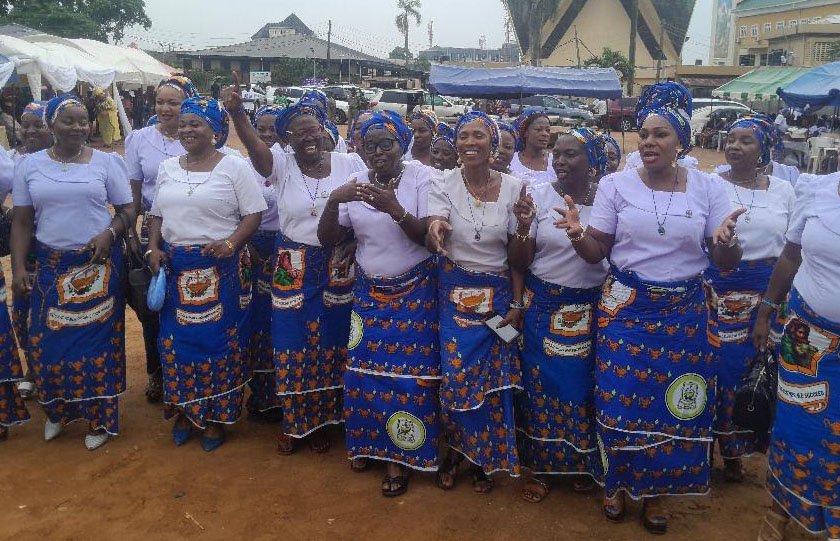
Across Nigeria, families and communities celebrated Mother’s Day on Sunday, 14 March 2026, honoring the tireless dedication, love, and sacrifices of mothers in homes, workplaces, and society at large.
In major cities like Lagos, Abuja, and Port Harcourt, churches, schools, and community organizations hosted special services, cultural programs, and award ceremonies to recognize mothers’ roles in nurturing families and contributing to national development.

Many Nigerians took to social media to share heartfelt messages, photos, and tributes, highlighting the influence of mothers in shaping lives and society.
Beyond the celebrations, civic leaders and advocacy groups used the occasion to raise awareness of issues affecting women, including maternal health, education, and economic empowerment.
Read Also:
- International Women’s Day: FCT mandate secretary hails mothers who care for sick loved ones
- The world commemorates 2026 International Women’s Day
- Foundation trains 25 nurses, expectant mothers on mental health challenges, solutions
Dr. Amina Bello, a women’s rights activist in Lagos, emphasized the need to move beyond symbolic appreciation: “Mother’s Day should remind us that mothers deserve consistent support from quality healthcare to equal opportunities in education and work.
Their sacrifices sustain the nation every day.”
Retailers and local businesses reported increased sales as Nigerians purchased flowers, gifts, and cards to honor mothers.
Social gatherings and family meals were also common, with many households organizing special programs to celebrate matriarchs.
In rural communities, mothers were recognized through cultural ceremonies that combine traditional dances, storytelling, and prayers, reflecting the deep respect for motherhood embedded in Nigerian heritage.
While the day serves as a moment of gratitude, experts urge that societal support for mothers should extend beyond a single day.
Initiatives addressing maternal healthcare, work-life balance, and social protection remain critical to ensuring that Nigerian mothers are valued and empowered throughout the year.
As families across Nigeria expressed love and gratitude, the message of the day resonated clearly: mothers are the backbone of communities, and investing in their well-being is an investment in the country’s future.