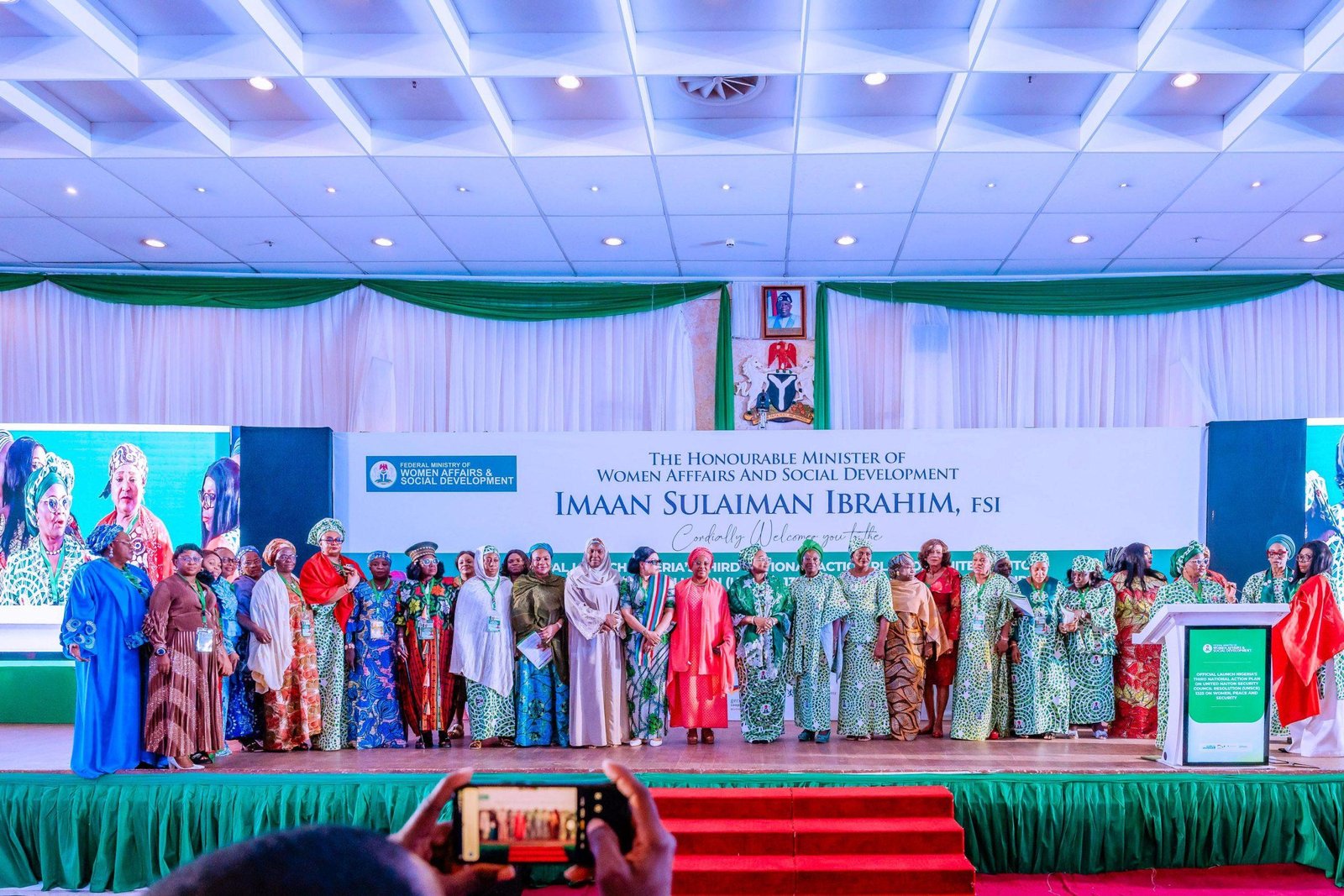
Social workers in Nigeria have raised concerns over persistent structural challenges affecting the profession, calling for stronger institutional support and collaboration to address growing social problems and promote national cohesion.
Speaking at the 2026 Social Workers Week organised by the Nigeria Association of Social Workers in Yenagoa, Raimi Lasisi said the profession continues to face deep-rooted issues that limit its effectiveness despite its critical role in society.

Lasisi noted that inadequate institutional backing remains one of the most pressing concerns, especially when compared with countries such as the United States, the United Kingdom and Canada, where social work enjoys stronger policy support and recognition.
He identified poor funding as another major obstacle, stressing that the profession suffers from low financial investment. Beyond funding, he pointed to weak public understanding of the role of social workers, which often leads to their contributions being undervalued.
According to him, many of these challenges are linked to Nigeria’s historical and structural realities, including divisions rooted in colonial governance systems. He said these divisions continue to influence social and institutional dynamics, limiting collective progress across communities.
Read Also:
- Empowering women is an economic, social necessity, says NSITF boss
- Workers experiencing an increase in take-home pay as PAYE deductions drop
- NLC Issues 7-days ultimatum to Federal Government over alleged diversion of workers’ funds, threatens nationwide strike
Despite these constraints, Lasisi emphasised that social workers remain vital to national development, providing psychological, emotional and social support to individuals and families. He said their work is comparable in importance to other essential professions, given their impact on mental well-being and community stability.
Also speaking, Lilian Nkiruka Obah, chairperson of the Bayelsa State chapter of social workers, highlighted the profession’s role in advocacy, community engagement and conflict resolution. She said social workers help bridge social divides and build trust within communities through sustained intervention.
This year’s theme, “Co-building Hope and Harmony: A Harambee Call for Uniting a Divided Society,” reflects the need for collective action in addressing Nigeria’s social challenges. The concept of Harambee, meaning pulling together, underscores the importance of shared responsibility in achieving lasting change.
Obah stressed that Nigeria’s diverse society faces a range of issues including poverty, youth unemployment, gender-based violence and limited access to basic services, all of which place increasing demands on social workers.
She noted that despite limited resources, heavy workloads and low recognition, social workers continue to support vulnerable populations, including children, women, persons with disabilities and families in crisis.
In her remarks, Fabiawari Dagogo called for a unified response to social challenges, urging policymakers, professionals and community leaders to work together in strengthening social protection systems and community development.
The week-long event in Bayelsa State, running from March 16 to March 22, features public awareness campaigns, media engagements and community activities aimed at promoting the role of social workers and encouraging greater participation in social development efforts.
The gathering highlights renewed calls for policy reforms, improved funding and broader public recognition of social work as a key driver of peace, stability and inclusive growth in Nigeria.