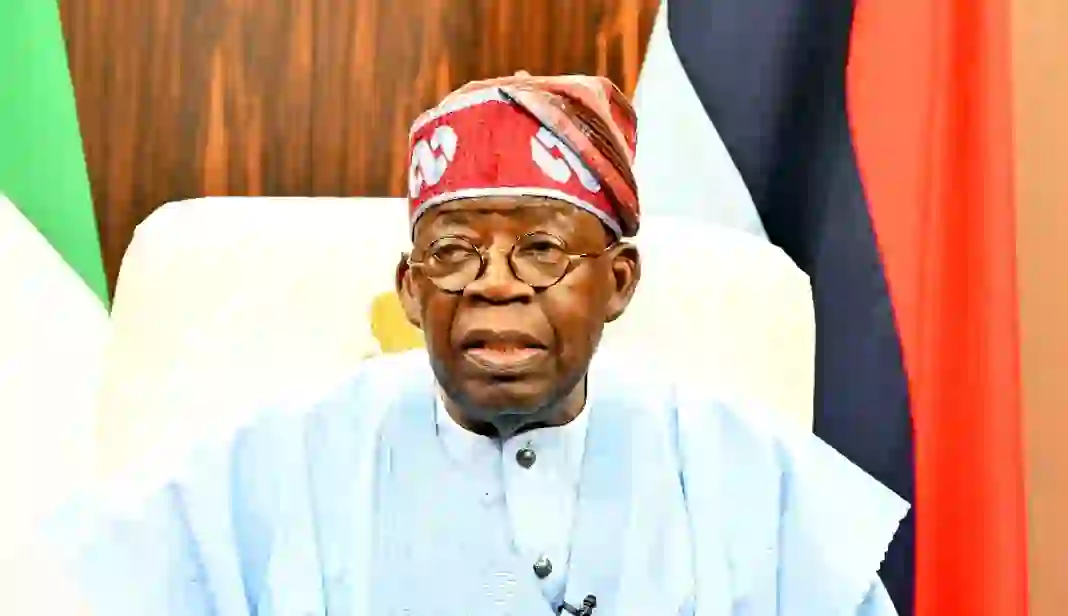
President Bola Tinubu has disclosed that his administration is seeking military assistance from France as Nigeria’s security crisis deepens across multiple regions.
Tinubu made the revelation on Sunday during a meeting with state governors at his Ikoyi residence in Lagos, shortly after returning from a two-day state visit to the United Kingdom.

According to him, discussions with French President Emmanuel Macron have opened the door for collaboration on military equipment and operational support.
“I can report to you, yesterday again, at a lengthy discussion with Emmanuel Macron, their collaboration with us for equipment and support,” Tinubu said.
The president added that his government is aggressively pursuing similar arrangements with other countries, stressing that Nigeria is willing to deploy its diplomatic goodwill and existing credit lines to secure weapons and training.
Read Also:
- Obasa backs Tinubu’s re-election, cites economic reforms, national stability
- Tinubu, Barbados PM to headline maiden Niger Delta investment summit
- Tinubu, Speaker Abbas, Sultan call for unity, peace as Nigerians mark Eid-el-Fitr
“I’m making frantic efforts to contact other nations. If we have to spend our goodwill and line of credit, we have those who are willing to support us with equipment and training,” he stated.
His comments are coming amid escalating insecurity nationwide, including persistent insurgency in the North-East, widespread banditry in the North-West and North-Central, and rising cases of kidnapping across the country.
Tinubu described insecurity as the most pressing challenge facing his administration, warning that it threatens national development and economic stability.
“The next phase of our struggle is staring us in the face; it is the challenge of insecurity in this country,” he said, adding that his government is determined to secure “victory over tyranny.”
The president also revealed that military hardware procurement was a central focus of his recent engagements in the United Kingdom, reinforcing concerns that Nigeria’s current security architecture remains under-equipped.
At the same meeting, Tinubu admitted that global tensions, particularly the Middle East crisis, could worsen Nigeria’s fragile economy, triggering inflation and further eroding citizens’ purchasing power.
“I know this Middle East crisis will elicit inflation, will affect our purchasing power,” he said, warning of rising fuel costs, transportation challenges, and food price increases.
The development comes days after deadly bomb attacks in Maiduguri, Borno State, which left dozens dead and over a hundred injured, underscoring the persistent threat posed by insurgent groups.
Despite repeated assurances from the federal government, critics have continued to question the effectiveness of Nigeria’s security strategy, especially as violence spreads and military overstretch becomes increasingly evident.
Tinubu, however, insisted that his administration remains committed to investing in technology, logistics, and international partnerships to confront terrorism and other criminal activities.
“We must defeat terrorism and all of these criminal acts,” he said.
France has historically played a significant role in counter-terrorism operations across the Sahel, raising questions about the extent and implications of any deepening military cooperation with Nigeria.