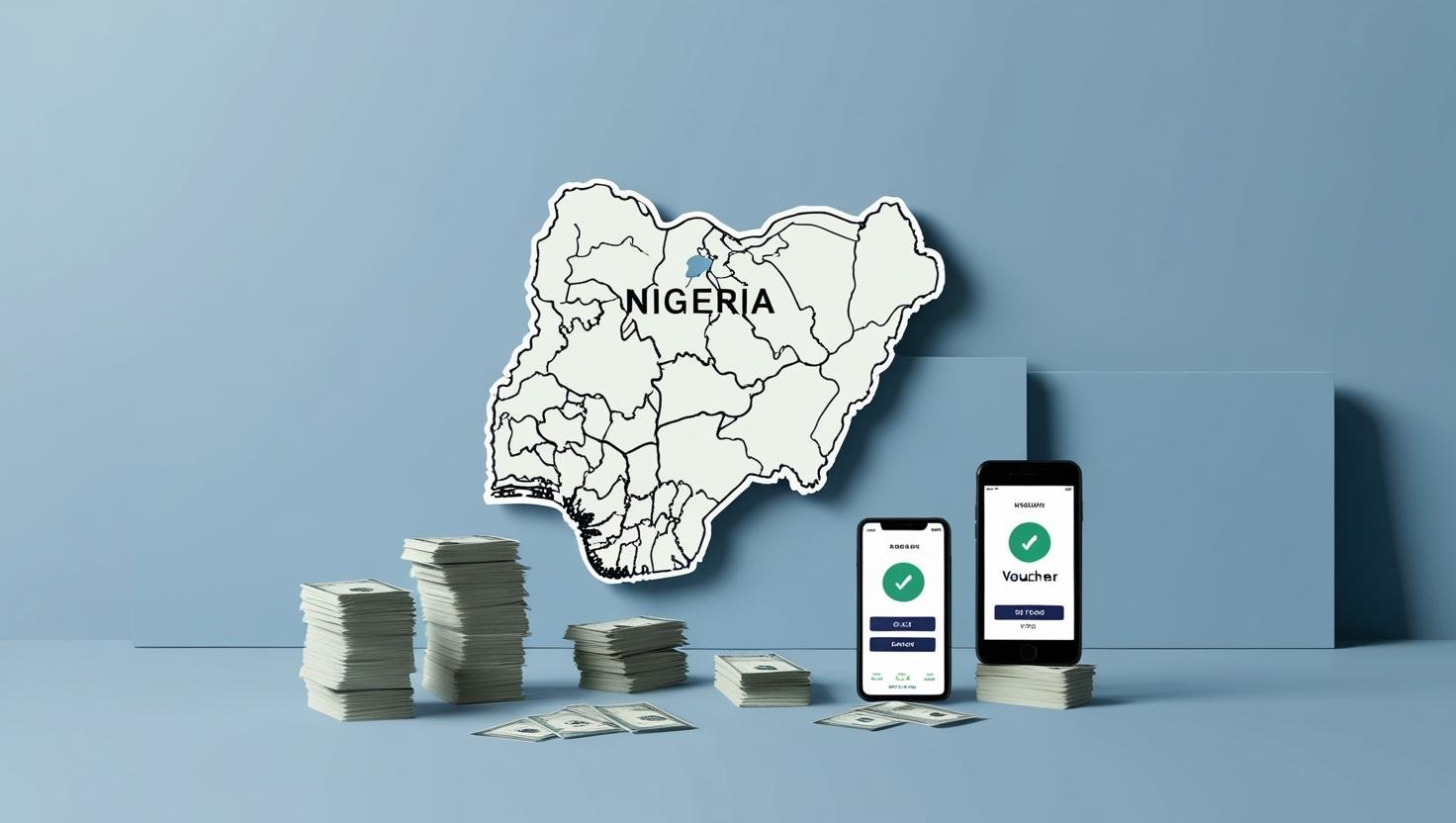
In a landmark achievement for the nation’s financial ecosystem, Nigeria has successfully completed its first live transaction on the newly introduced National Payment Stack (NPS), signaling the dawn of a more efficient, inclusive, and globally integrated payment infrastructure. The transaction, processed between fintech giant PalmPay and Wema Bank at 11:56 a.m. on Friday, was settled in mere milliseconds, showcasing the platform’s potential to revolutionize everyday banking for millions of Nigerians.
The NPS, developed indigenously by the Nigeria Inter-Bank Settlement System (NIBSS) in collaboration with the Central Bank of Nigeria (CBN), represents a bold upgrade to the country’s digital payment backbone. Built on the ISO 20022 global standard for financial messaging, the stack unifies disparate payment systems into a single, scalable framework that connects banks, fintechs, and other financial service providers.
This move effectively phases out the aging NIBSS Instant Payment (NIP) platform, which has served as Africa’s pioneering real-time payment system since its inception but now falls short in handling the explosive growth of digital transactions in Nigeria’s burgeoning economy. “NIBSS is proud to deliver this homegrown innovation that not only addresses current challenges but positions Nigeria as a leader in Africa’s digital transformation,” said a statement from NIBSS, highlighting the platform’s alignment with the government’s digital public infrastructure agenda.

Launched in June 2025, the NPS was designed from the ground up to tackle limitations in the NIP system, such as scalability bottlenecks and integration hurdles with international networks.
Why the Shift from NIP to NPS?
The NIP, introduced over a decade ago, revolutionized interbank transfers by enabling instant, account-based payments across Nigeria’s 24 banks and beyond. However, with transaction volumes surging amid the rise of mobile money and e-commerce, reaching billions annually, the platform struggled to keep pace.
Enter the NPS: a next-generation system that promises to handle higher volumes with greater efficiency while slashing operational costs for providers. At its core, the NPS introduces enhanced interoperability, allowing seamless data exchange in a standardized format that bridges local and global systems. This is crucial for Nigeria, Africa’s largest economy, where remittances from the diaspora exceed $20 billion yearly and cross-border trade is on the rise. By replacing NIP, the NPS eliminates redundancies, reduces settlement times from seconds to milliseconds, and fortifies security against fraud through advanced protocols.
What Does This Mean for Everyday Nigerians?
For the average Nigerian, from the urban professional wiring funds via mobile apps to the rural trader receiving remittances, the NPS heralds a future of frictionless finance. Imagine transferring money across banks without the nagging delays or hidden fees that often plague current systems.
With instant settlements as standard, users can expect quicker access to funds, enabling smoother business operations and personal budgeting. Financial inclusion, a perennial challenge in a country where over 40% of adults remain unbanked, stands to gain immensely. The NPS’s open architecture empowers fintechs like PalmPay, OPay, and Moniepoint to innovate at scale, extending services to underserved communities via USSD, mobile wallets, and agent networks.
Lower transaction costs, potentially dropping by up to 50% for providers, could translate to cheaper fees for consumers, making digital payments more accessible than cash or informal hawala systems.
Moreover, the platform’s global compatibility paves the way for easier international transfers, benefiting the millions of Nigerians abroad and boosting inbound investments. Economists predict this could add billions to GDP by streamlining trade and reducing remittance leakages, while fostering transparency to curb corruption in public disbursements like social welfare programs.
Read also:
- FIRS inaugurates E-invoicing committee in Abuja
- eTranzact grows profits by 128.7%, eyes holding structure in 2023
- Cashless transactions hit N117.33tr as economy grew by 3.11% in Q1 2022
Outside the box, it will also integrate government payments through all collection agencies and create a framework for government disbursements to beneficiaries. It is also expected to bring the point base system into the Nigeria financial ecosystem.
Challenges and the Road Ahead
While the inaugural transaction marks a triumphant start, experts caution that full migration from NIP to NPS will require robust testing and stakeholder buy-in. “The transition must be gradual to avoid disruptions,” noted Ramon Bello, General Manager at Paga Engine, during a recent industry panel.
Cybersecurity remains a focal point, with NIBSS committing to layered defenses against evolving threats.The CBN has outlined a phased rollout, with all major institutions expected to integrate by mid-2026. Early adopters like Wema Bank and PalmPay are already reaping rewards, reporting smoother backend operations and heightened user satisfaction.
As Nigeria’s payment ecosystem evolves, the NPS isn’t just an upgrade, it will serve as a catalyst for a cashless society. In a nation where digital adoption has skyrocketed post-COVID, this stack could finally unlock the full potential of financial technology, empowering citizens to thrive in a connected world.