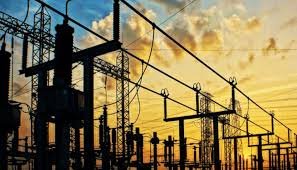
Nigeria’s electricity sector is facing a growing crisis as 20 companies have exited the national grid, securing licenses for independent power generation to mitigate the persistent instability of supply. The Nigerian Electricity Regulatory Commission (NERC) revealed in its latest Q3 2025 report that these firms collectively now generate 5.85 megawatts of self-supplied energy, highlighting rising dissatisfaction with the grid’s unreliability.
The companies obtained permits for captive power plants exceeding 1 megawatt, designed solely for their own use, signaling a strategic pivot away from dependence on the struggling national infrastructure. NERC emphasized that such licenses ensure the energy generated is not sold to third parties, and the uptick in approvals reflects growing industrial demand for energy security amidst chronic supply shortages.
Despite available capacity of around 5,400MW, the report showed the national grid averaged only 4,179 megawatt-hours per hour in the quarter, with gas supply constraints reducing output by 602 gigawatt-hours. Distribution Companies (DisCos) collected N570.25 billion of N706.61 billion billed, achieving an 80.7 percent collection rate, yet consumers continue to face frequent blackouts and voltage fluctuations.
NERC also highlighted the rise of bilateral agreements, where generation companies bypass the grid entirely, earning $7.12 million and N3.19 billion directly from customers. While captive power has surged, now exceeding 6,500MW nationwide, the report underlined ongoing challenges for the grid, including delayed payments from major industrial customers and systemic infrastructure weaknesses.
The commission confirmed that the issuance of new captive permits aligns with the Electricity Act and aims to bolster industrial energy security. However, the mass shift to self-generation underscores Nigeria’s persistent energy dilemma: despite abundant potential, the grid continues to fail in delivering stable power, prompting more companies to seek off-grid solutions.
Subsidies remain critical to keeping the power sector afloat, with the federal government providing N458.75 billion in Q3 to support Generation Companies, though this represents a 10.81 percent decline from the previous quarter. While DisCos showed improved billing efficiency, cumulative losses still reached N147.92 billion, driven by inadequate metering, unpaid tariffs, and customer dissatisfaction.
Read also:
- Nigeria adopts groundbreaking mini-grid tariff tool to revolutionize power sector
- Senate consider, vote on constitution review committee report next Tuesday
- Electricity not Exclusive Federal Matter, 36 Govs tell Senate
NERC warned that unless upstream market obligations are met promptly, generation and transmission performance will continue to be compromised. The regulator also called for federal intervention to resolve infrastructure deficits and outstanding debts that hinder reliable electricity delivery.
The Q3 report paints a stark picture: as Nigeria’s power grid struggles to meet demand, companies are increasingly turning to captive solutions, signaling both a vote of no confidence in national electricity supply and an urgent call for reforms in the sector.