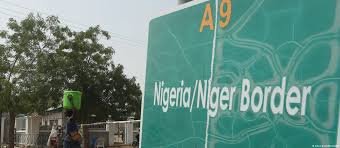
Niger has tightened controls on goods entering from Nigeria, ordering full inspections at border posts in a move that heightens political tension across a region still recovering from the aftermath of recent coups. The directive, signed by Colonel Mohamed Yacouba Siddo, head of Niger’s customs service, requires all Nigerian goods to be offloaded and examined at entry points for what officials describe as security concerns. The order surfaced through local broadcaster Radio Wadata before spreading widely online, sparking unease among traders and policymakers.
The measure lands at a delicate time for both countries. Nearly thirty months after Niger’s 2023 coup removed President Mohamed Bazoum, relations with Nigeria remain strained despite attempts at reconciliation. The original rupture followed ECOWAS sanctions led by Abuja, which included border closures, flight restrictions and cuts to electricity exports that plunged Niamey into prolonged blackouts. Although most penalties were lifted in early 2024, trust between the neighbours has yet to recover.
Siddo’s directive demands strict compliance, even as it grants limited exceptions for shipments that arrive with verified documents from ports of discharge. The message carries an unmistakable tone of urgency, reflecting fears of arms trafficking, militant movements and smuggling networks that crisscross the long and porous frontier. Years of jihadist violence across the Sahel have sharpened anxiety on both sides, with each government blaming the other for weakness in border control.
Read also:
390 stranded Nigerians arrive from Niger Republic
WAFU B U20 Kumasi: Falconets tackle Niger Republic in Group B opener
ADC slams Federal Government, says swift Benin Coup response exposes Nigeria’s failure to protect its own citizens
Trade disruptions were immediate. Long queues formed at crossings such as Jibiya and Kongolam as truckers unloaded goods for inspection. Traders complained of rising costs, delays and wasted perishable items. Informal commerce, once the lifeblood of border communities, faces the risk of collapse if the slowdown continues. Economists warn that both countries could see sharp drops in cross-border trade, aggravating inflation and deepening hardship for millions who rely on daily exchange between the two economies.
The political implications are equally significant. Niger’s junta has reoriented its alliances since taking power, expelling French and American forces while developing stronger ties with Russia and Turkey. Abuja, grappling with internal security crises and economic instability, views Niamey’s shift with caution. A new dispute over border policies could reopen old wounds and undermine the fragile progress made during recent diplomatic engagements.
Regional cohesion also stands in the balance. ECOWAS remains weakened by the withdrawal of Mali, Burkina Faso and Niger earlier in the year. Any renewed confrontation between Nigeria and Niger will likely complicate ongoing efforts to stabilise cross-border cooperation and preserve the goals of continental free-trade initiatives that depend on predictable land corridors.
For now, both governments insist that dialogue continues, though frustration grows among the traders who depend on open routes for survival. Whether this directive signals a temporary safeguard or the start of another long standoff will shape political and economic realities across West Africa in the months ahead.