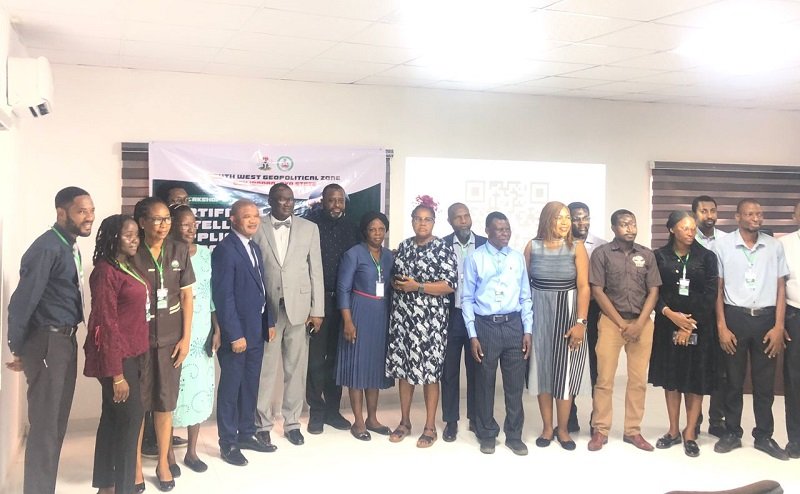
The National Institute for Cancer Research and Treatment (NICRAT) has commenced a three-day capacity-building workshop on the application of Artificial Intelligence (AI) in cancer care for health professionals in the North-West, aimed at improving cancer diagnosis, treatment and patient outcomes in Nigeria.
Speaking at the opening ceremony on Thursday, at the Aminu Kano Teaching Hospital (AKTH), Kano, the Director-General of NICRAT, Prof. Usman Aliyu, represented by Lauratu Zubairu, said the initiative underscored the institute’s commitment to leveraging innovation and technology to strengthen cancer prevention, research and treatment in the country.
Prof. Aliyu noted that AI is rapidly transforming healthcare globally, particularly in oncology, where it enhances early detection, accurate diagnosis and personalised treatment planning.

He said the deployment of AI tools would help healthcare professionals better understand cancer biology, identify high-risk populations and develop targeted interventions.
“This programme will improve the capacity of our health workers to make accurate diagnoses, develop effective treatment plans and ultimately improve patient outcomes. It will also promote collaboration among clinicians, researchers and policymakers,” he said.
The NICRAT boss further stressed that with AI-driven innovations, Nigeria could improve cancer survival rates, reduce suffering and enhance the quality of life of patients.
Read also:
- Osimhen donates N5 Million to support Twitter Cancer victim Aunty Esther
- Cancer is a psycho-social challenge for patients, families- Don
- Group harps on early diagnosis, treatment of cancer
Team Lead and Head of Radiation and Clinical Oncology at AKTH, Dr. Muhammad Mustapha, described cancer as a growing public health challenge in Nigeria, worsened by late presentation and limited specialist manpower.
He said AI presents a critical opportunity to bridge gaps in cancer screening, diagnosis, chemotherapy delivery and radiotherapy services, particularly in resource-limited settings.
He emphasised that the technology is meant to support, not replace, health workers.
He urged participants—including clinicians, nurses, radiographers, physicists, pharmacists and public health professionals—to actively engage in the training and apply the knowledge gained to improve cancer care in their respective institutions.