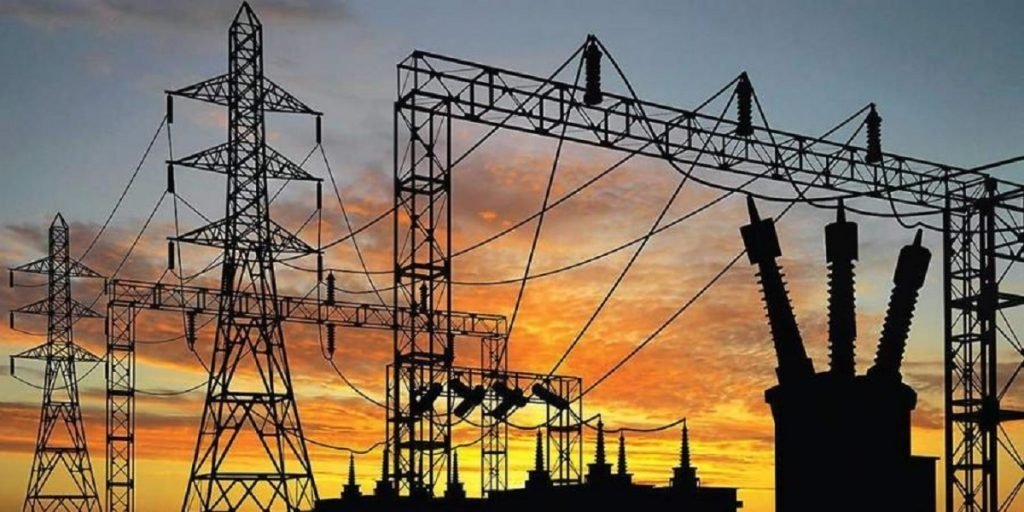
Nigerians were again plunged into darkness on Friday following a near-total collapse of the national power grid, with electricity generation dropping to a paltry 20 megawatts nationwide.
Findings showed that power load allocation to the country’s 11 electricity distribution companies fell sharply as the grid disturbance worsened, leaving most parts of the country without supply.
Data released by the Nigeria National Grid on its verified X (formerly Twitter) handle at 1:20pm on Friday indicated that only the Ibadan Electricity Distribution Company recorded any allocation, with just 20MW.
According to the data, Abuja, Benin, Eko, Enugu, Ikeja, Jos, Kaduna, Kano, Port Harcourt and Yola distribution companies all recorded zero megawatts allocation during the period.

The latest collapse occurred barely three weeks after the national grid slipped into emergency mode on December 29, 2025, when power supply was disrupted across several states.
During that incident, total electricity generation reportedly plunged from 2,052.37MW to 139.92MW within one hour, between 2pm and 3pm, signalling a major system disturbance.
The sharp decline resulted in uneven power allocation nationwide, with the Nigerian Independent System Operator stating that only three distribution companies were able to take load at the time.
Ibadan Electricity Distribution Company received 80MW, while Abuja and Benin distribution companies got 20MW each, bringing total allocation to just 120MW. All other DisCos recorded zero supply.
The country’s power sector has continued to suffer repeated grid collapses in recent months. On September 10, 2025, the national grid again collapsed, throwing the nation into darkness.
Read also:
- MAN tasks FG on price of diesel, constant national grid collapse
- NPA partners Belgium on optimisation of Nigeria’s seaports
- Shippers’ Council recovers N5.4bn from vessels’ demurrage through PSTT
Similarly, in March 2025, a major grid failure plunged several parts of the country, including Lagos, into blackout.
The March incident came only days after the Federal Government celebrated what it described as a “historic rise” in power generation to 6,000MW.
However, power generation later crashed to below 1,000MW from about 4,000MW following the grid disturbance, highlighting the fragility of the nation’s electricity infrastructure.
Repeated grid failures have continued to raise concerns among Nigerians and industry stakeholders over the stability and sustainability of the country’s power supply system.