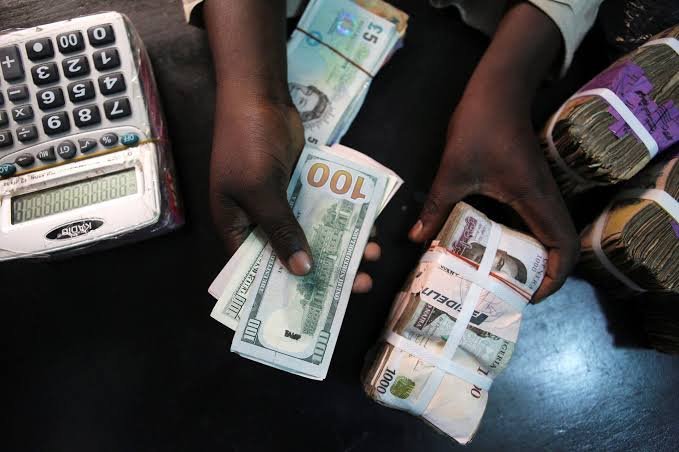
The Nigerian naira opened trading in 2026 on a relatively stable footing against the United States dollar, signaling cautious optimism in the foreign exchange market as the new year begins.
At the official Nigerian Foreign Exchange Market, the naira traded at an average rate of ₦1,445.99 to the dollar on Thursday, reflecting the currency’s steady performance toward the end of December 2025. This followed a modest appreciation in the final weeks of last year, when the exchange rate hovered between ₦1,445 and ₦1,470.

Market records show that the naira closed the final trading session of 2025 at approximately ₦1,445.24 to the dollar, marking a mild recovery from the pressure experienced earlier in mid-December. Analysts say the stability is partly linked to ongoing reforms by the Central Bank of Nigeria aimed at improving liquidity, boosting transparency, and restoring confidence in the foreign exchange system.
Trading activity at the official window remains active, with the Central Bank continuing to intervene by supplying foreign exchange for invisible transactions such as school fees, medical bills, and other essential payments. These interventions have helped to moderate volatility and narrow sharp swings in the exchange rate.
Read Also:
- Naira remains steady against the dollar as 2025 draws to a close
- Naira strengthens against Dollar despite Trump’s tariff threats
- No Immediate 5% Fuel Tax: Oyedele says policy on hold until Naira strengthens or oil prices fall
In the parallel, or black market, the naira exchanged at weaker levels, reflecting the seasonal spike in demand common during the festive period. On Thursday, the dollar sold for between ₦1,480 and ₦1,510, depending on transaction size and location.
Although the gap between the official and parallel market rates has narrowed compared to previous years, a spread of roughly three to five percent remains. Currency dealers attribute this difference to strong cash demand from travelers, retailers, and small-scale importers who continue to rely on the informal market.
Looking ahead, the outlook for the naira in 2026 is closely tied to global oil prices, foreign capital inflows, and the effectiveness of Nigeria’s monetary and fiscal reforms. Central Bank projections suggest that foreign exchange pressures could ease further this year, supported by policies designed to attract investment, strengthen reserves, and stabilize the national currency.