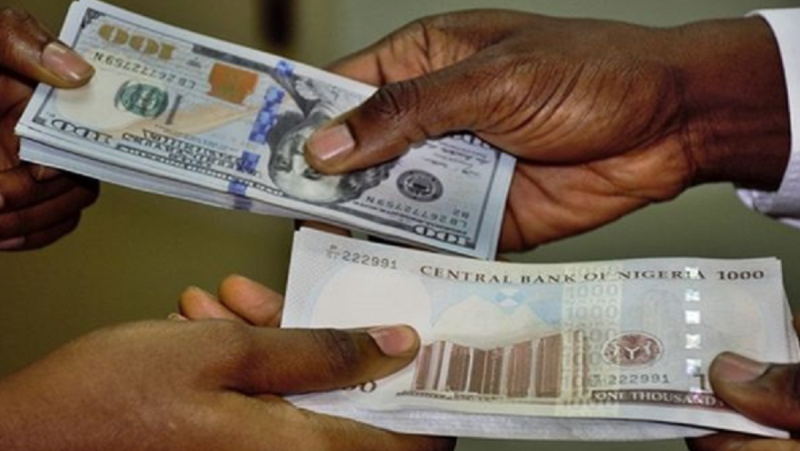
The naira posted a modest gain against the United States dollar in early trading on Thursday, March 26, 2026, signalling cautious optimism in the foreign exchange market amid improving liquidity.
At the official market, the currency opened at ₦1,385.46 per dollar and strengthened slightly to ₦1,384.39 within the first hours of trading.

This marginal appreciation follows a volatile start to the week, during which the naira weakened on Monday before recording gradual recovery on Tuesday and Wednesday.
Market analysts attribute the relative stability to increased foreign exchange inflows. Data from recent weeks shows a notable rise in inflows in February, largely driven by foreign portfolio investors attracted by high-yield opportunities in Nigeria. These inflows have continued to support the local currency at the official window.
In the parallel market, the naira traded within a narrow range. Currency dealers in major commercial centres such as Lagos and Abuja quoted the dollar at about ₦1,415 for selling and ₦1,405 for buying.
Read also:
- Naira weakens slightly against dollar
- Official, black market naira to dollar exchange rates for January 5, 2026
- Naira strengthens against Dollar despite Trump’s tariff threats
The spread between the official and parallel market rates stood at roughly ₦31, which analysts consider relatively narrow compared to previous periods.
Observers also point to ongoing reforms by the Central Bank of Nigeria as a contributing factor to the improved outlook. Recent policy measures, including revised remittance guidelines requiring International Money Transfer Operators to channel diaspora inflows through designated naira accounts, are expected to enhance transparency and boost dollar supply in the formal market.
Despite the positive signals, concerns remain over the country’s external reserves, which have declined for six consecutive sessions to around $49.60 billion. Analysts attribute the drop to persistent outflows amid global economic uncertainties, including geopolitical tensions in the Middle East.
On the monetary policy front, the Central Bank continues to maintain a tight stance aimed at curbing inflation, which recently eased to 15.1 per cent. The bank remains focused on achieving its medium-term target range of 6 to 9 per cent.
Looking ahead, market participants expect the naira to trade between ₦1,380 and ₦1,420 per dollar in the near term. While rising inflows and increased gold reserves offer some support, the currency’s performance will depend on sustained liquidity, consistent policy implementation, and global economic trends.